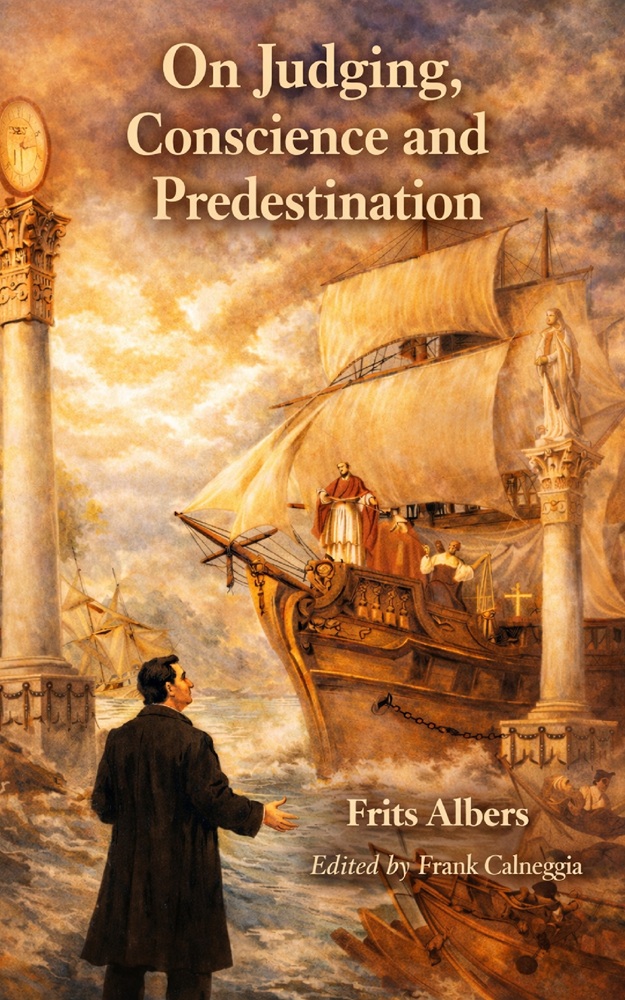
On Judging, Conscience and Predestination
by Frits Albers, edited by Frank Calneggia
This book is actually the third in a series dealing with a quasi-religious phenomenon of relatively recent times called “The World Council of Churches”. The central book simply has the title of the organisation, but the author found a Protestant (Lutheran) pastor, Professor Dr. Peter Beyerhaus, who could see the disastrous direction in which the organisation was heading. Thus Frits Albers wrote the first in the series called “The Beyerhaus Effect” in 1977. Both of these books have been published quite recently by En Route Books and Media. We recommend that those who read this description read also the descriptions of the two already published.
This book the third entitled “Judgement, Conscience and Predestination” was written only three months after the central one in 1991. For the author evidently saw the need to complete his “argument” (in fact a trenchant critique, thoroughly founded in Scripture and the teaching of the Common Doctor of the Church Saint Thomas Aquinas) against an organisation that is justly held to be a leading player in what Pope Saint Pius X described in 1910 as “the great movement of apostasy being organised in every country for the establishment of a One World Church”.
That movement is more influential today than it was when Frits Albers wrote, though he saw clearly then its potential to infiltrate the very practices of the Catholic Church and have a malign influence on the shepherd’s teaching role of the episcopacy itself. No one needs any convincing of this today. For Australians just note the fact that in 1994 the ACBC blindly joined the Australian branch of the WCC.
There are of course many, including Catholics, even Dominicans, who have been taken in by the organisation’s claim to be the new “Christian Church” of the future displacing the Catholic Church of the past (2000 years). One does not have to have unity in doctrine to be a member. Suits many a modern liberated religious person.
Frits Albers was one of the few who saw the errors/heresies that lay hidden within the initially violent revolt, but persisting in veiled forms, against the divine authority of the Catholic Church, dating from the Protestant “Reformation”. He neatly combines them into a collection of the misinterpretations of the traditional teaching on Faith and Morals with regard to Judging, Conscience and Predestination. Anyone familiar with Protestant theology will readily recognise this. The reader who carefully studies what he has to say will gain an education in those matters not only central to the teaching with regard to the practice of the Faith but also as he acutely points out, following closely St. Thomas, to the understanding at the level of natural morality. The treatment on the common difficulty of reconciling the two levels of making judgements of others, between the inner state of their souls and the evident everyday necessity to judge them by their actions, and omissions, is particularly instructive even for those well versed in Moral Philosophy.
However, there can be no doubt that the reader will find for himself the value of this third book.
Paperback: $12.95 | Audible: $14.99 | Kindle: $9.99
TESTIMONIALS
“As is evident this book is the third in a series. The first is anticipatory, the second a trenchant criticism of an organisation of disparate ‘churches’ espousing diverse and even contradictory theological positions amongst themselves and united only in their explicit opposition of what the Catholic Church openly stands for. It is nothing less than shocking that a social body calling itself Catholic should join with it in any organised way. By all means ‘dialogue’ with it, but not at the cost of contradicting oneself and compromising one’s basic truths of Faith.
“This third book goes specifically into the bases of such blatant opposition to what Catholicism stands for, on understanding what Predestination, Conscience and Judging others mean. The opposed dictions could not be more contra, even from a natural rational point of view, as the author shows so marvelously.
“This is no ordinary treatment of the subject. I apply to this book what has been said in other testimonials about the two previous ones.
“On The Beyerhaus Effect by Dr. Sebastian Mahfood: “This work speaks with clarity, faith and intellectual courage, inviting readers to think deeply, pray honestly, and engage the world with renewed conviction. It is both challenging and profoundly hopeful. A gift to the Church.”
“On The World Council of Churches by Dr. Sebastian Mahfood, OP: “Albers writes with clarity and conviction guiding readers through complex ecumenical questions whilst remaining firmly anchored in Catholic doctrine, inviting serious reflection on unity, truth and the enduring identity of the Church”. I simply note the identifying of the Church with the Catholic Church.
“I would add, however, that included in Catholic doctrine are Natural Morals and that the teaching on Judging, Conscience and Predestination can be seen also at the level of natural reason as is explained by Aquinas. Albers, like few other Catholic authors today, brings this out beautifully.” – Dr. Donald Boland, Catholic philosopher and author. Click here for his author page.
“Albers offers a bracing and intellectually disciplined defense of Catholic moral theology, calling readers to recover clarity of conscience, reverence for tradition, and confidence in divine providence amid the confusions of modern theological discourse.” – Dr. Sebastian Mahfood, OP, co-author with Ronda Chervin of Catholic Realism: A Framework for the Refutation of Atheism and the Evangelization of Atheists
ABOUT THE AUTHOR
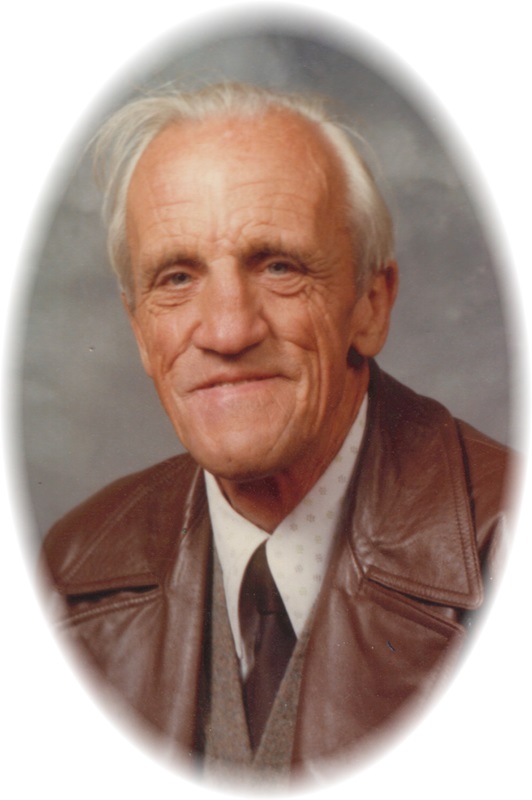
Frits Albers Ph. B (1921-2000) was born in Holland and studied under the Jesuits at Nijmegen during the 1940s. He emigrated to Australia in 1951, and travelled extensively within the south-east region of the ‘lucky country’. He joined the Department of Education in Victoria and worked as a high school teacher who specialised in mathematics, French and English.
In the early post Vatican II period he realised that the strange interpretations of the recently concluded Council that were being forced upon Catholics were under pinned by the same philosophy he had been taught in the 1940’s by the Jesuits at Nijmegen in the name of St Thomas Aquinas, but which in reality was the systematic Modernism of Pierre Teilhard De Chardin, S.J. Thus, in the early 1970’s he began writing articles and books to expose the philosophical root of these errors and aberrations of Teilhard De Chardin, and to defend Catholic Faith, clear thinking, and right philosophy.
ABOUT THE EDITOR
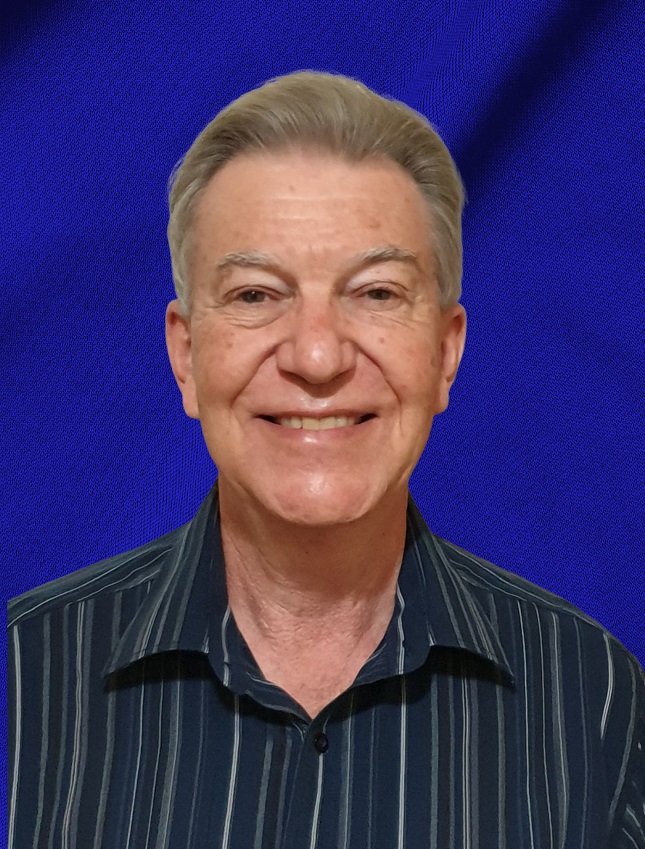
The editor is a retired electrical engineer who worked for most of his professional career in the specialist area of power generation. In a sabbatical year, he completed post graduate research in the History and Philosophy of Science at the University of Melbourne. He has long loved the philosophy of St Thomas Aquinas.
OTHER BOOKS ON CATHOLIC FAITH AND MORALS
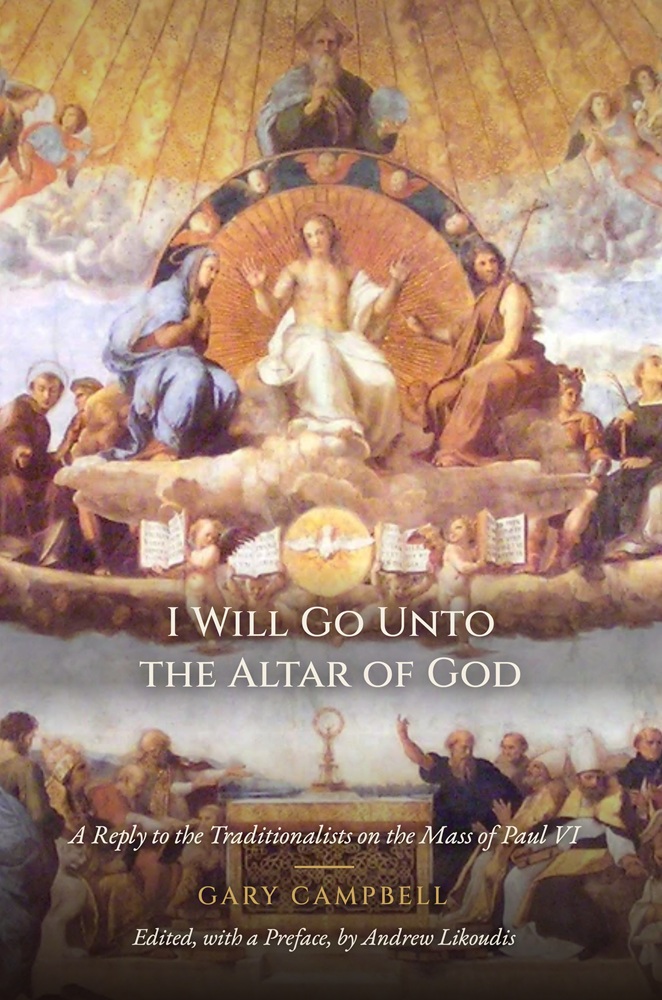
I Will Go Unto the Altar of God: A Reply to the Traditionalists on the Mass of Paul VI by Gary Campbell
I Will Go Unto the Altar of God: A Reply to the Traditionalists on the Mass of Paul VI by Gary Campbell, edited by Andrew Likoudis A FORMER SSPX PRIEST MAKES THE CASE FOR THE MASS OF PAUL VI. Gary Campbell knows the argument from the inside. A former priest of the...
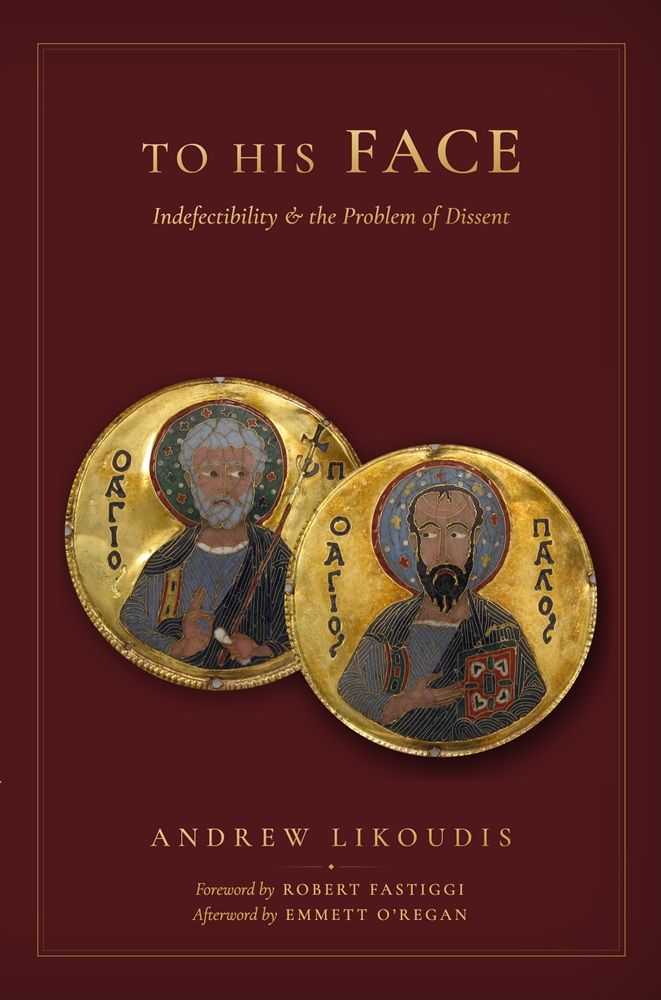
To His Face: Indefectibility and the Problem of Dissent by Andrew Likoudis
To His Face: Indefectibility and the Problem of Dissent By Andrew Likoudis “But when Cephas came to Antioch,I opposed him to his face.”GALATIANS 2:11 When may a Catholic withhold assent from the teaching of the Church? Today, the question is pressed from opposite...
Inculturation: How the Catholic Church Converts the World by Brian Keith Wood
Inculturation: How the Catholic Church Converts the World by Brian Keith Wood Inculturation: How the Catholic Church Converts the World explores how the Gospel enters cultures without destroying what is authentically human within them. Brian Keith examines the...
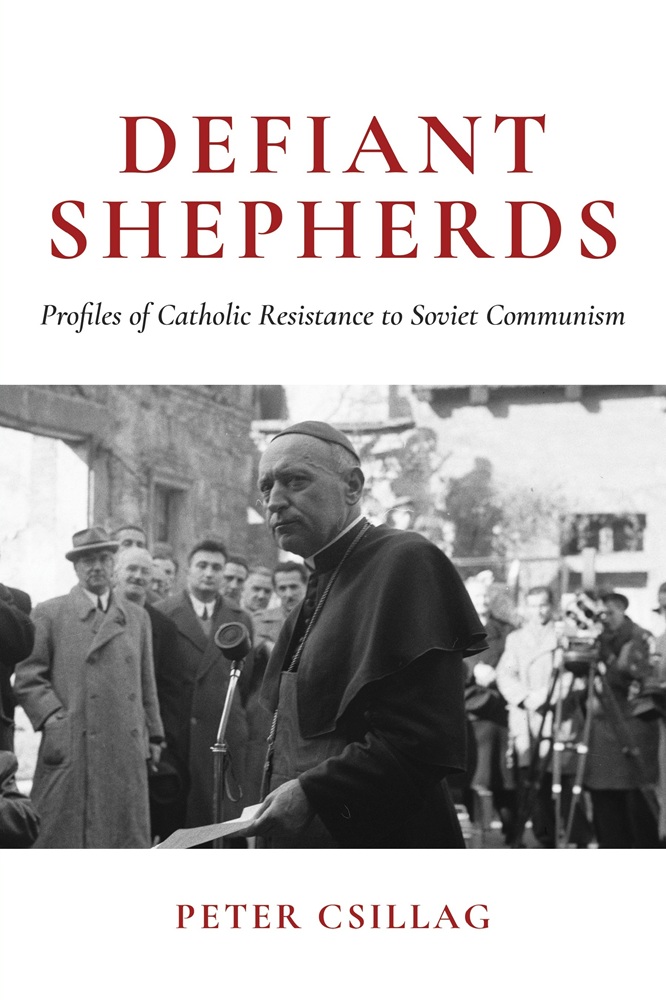
Defiant Shepherds: Profiles of Catholic Resistance to Soviet Communism by Peter Csillag
Defiant Shepherds: Profiles of Catholic Resistance to Soviet Communism by Peter Csillag True stories of persecution, perseverance, spiritual heroism, and the triumph of faith. The imposition of communism across Central and Eastern Europe caused immense human suffering...
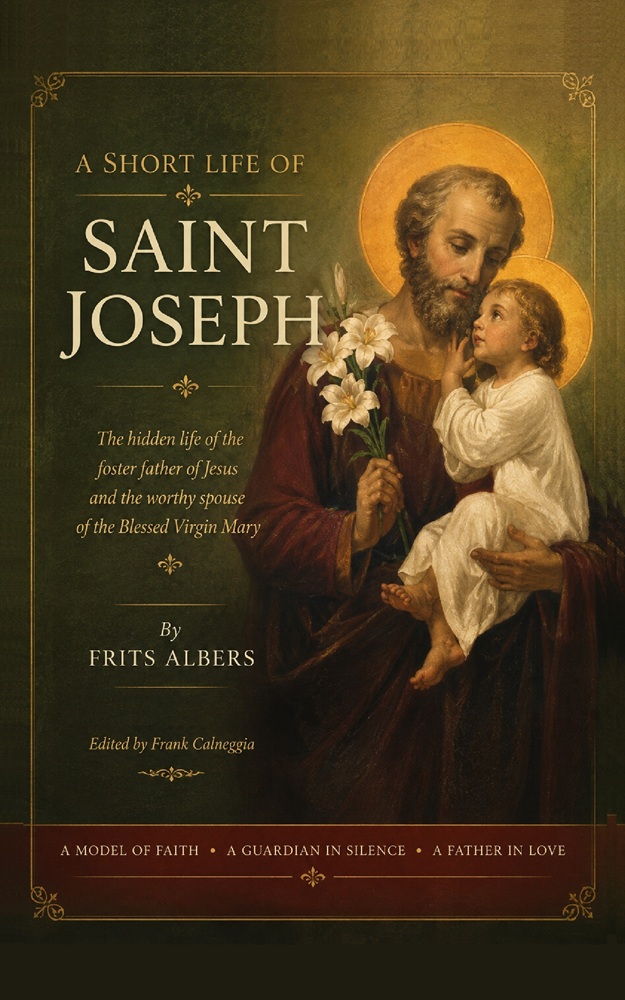
A Short Life of Saint Joseph by Frits Albers
A Short Life of Saint Joseph by Frits Albers, edited by Frank Calneggia In A Short Life of Saint Joseph, Frits Albers prayerfully explores the hidden life and formation of the man chosen as spouse of the Blessed Virgin Mary and foster father of Christ. Drawing...
East and South East Asian History
East and South East Asian History by Fr. Peter Samuel Kucer, MSA East and South East Asian History offers an accessible survey from ancient prehistory and early dynasties through imperialism, world war, decolonization, and contemporary Asia. Peter Samuel Kucer...
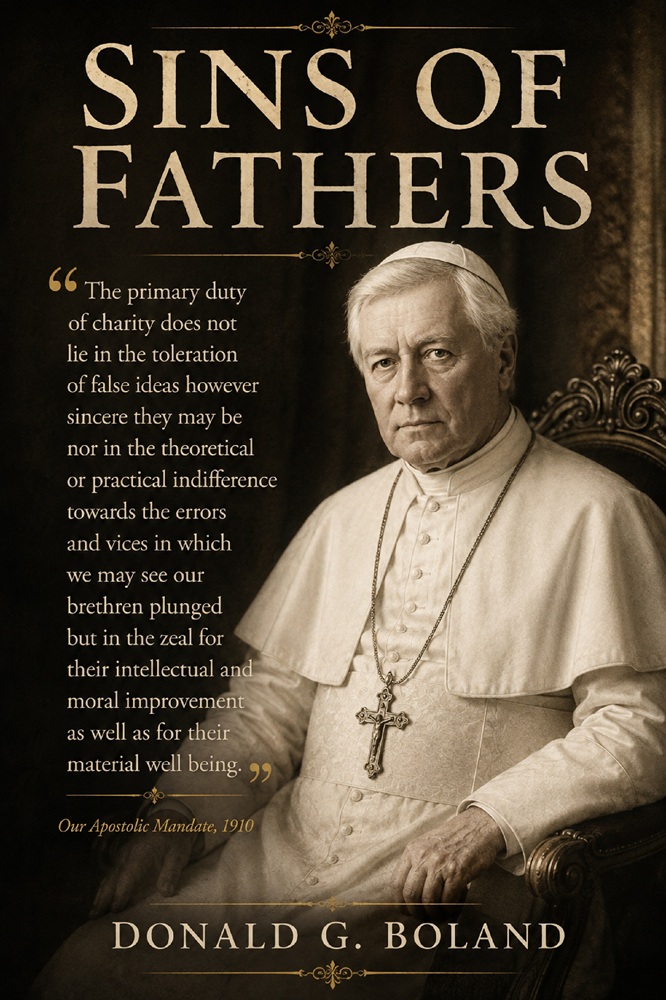
Sins of Fathers by Donald G. Boland
Sins of Fathers by Dr. Donald G. Boland Donald G. Boland presents a reasoned examination of the parlous moral state of those he calls the “Fathers” of the Catholic Church: today’s shepherds of the flock. Speaking generally and without identifying individuals, he...
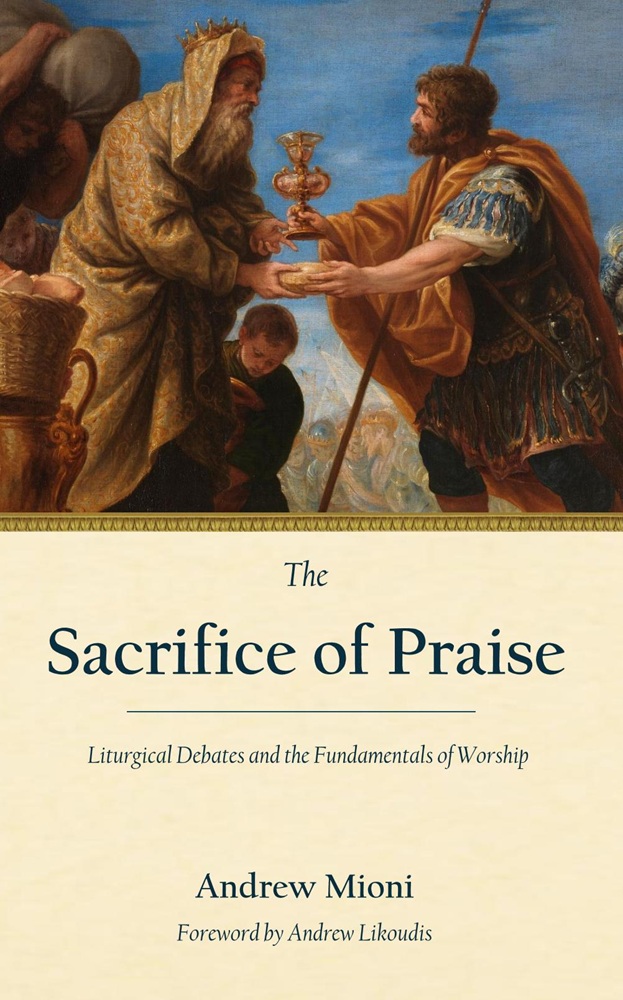
The Sacrifice of Praise: Liturgical Debates and the Fundamentals of Worship by Andrew Mioni
The Sacrifice of Praise: Liturgical Debates and the Fundamentals of Worship By Andrew Mioni The Sacrifice of Praise offers a fresh and deeply biblical perspective on today's liturgical debates by shifting the conversation from rubrics and preferences to the true heart...
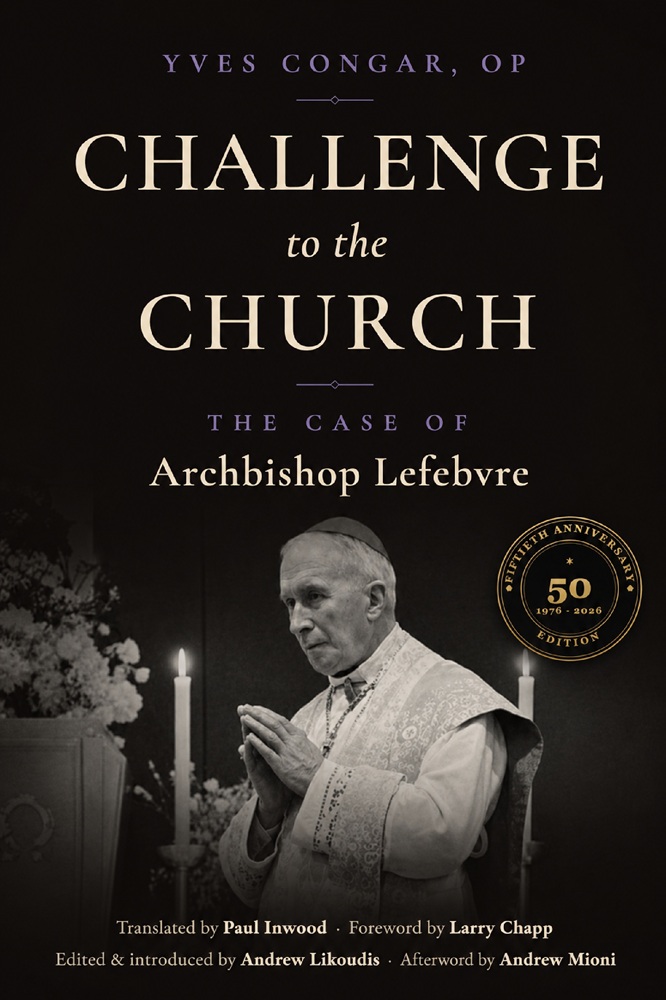
Challenge to the Church: The Case of Archbishop LeFebvre by Yves Congar, OP
Challenge to the Church: The Case of Archbishop LeFebvre By Yves Congar, OP, Edited by Andrew Likoudis In 1976, as Archbishop Marcel Lefebvre’s defiance of Rome broke into open crisis, the Dominican ecclesiologist Yves Congar, OP, whose work shaped the Second Vatican...
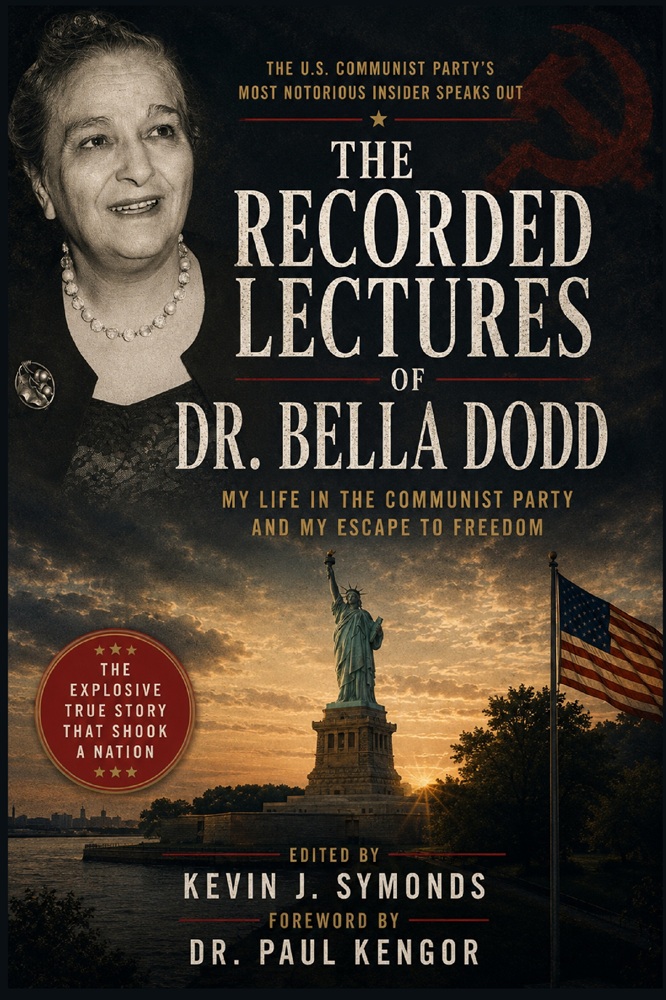
The Recorded Lectures of Dr. Bella Dodd, ed. by Kevin J. Symonds
The Recorded Lectures of Dr. Bella Dodd: My Life in the Communist Party and My Escape to Freedom Edited by Kevin J. Symonds The Recorded Lectures of Dr. Bella Dodd brings together the most significant surviving speeches of one of the twentieth century’s most...
The Sacramentality of Personhood: A Philosophical Thirst Meets Theology by Msgr. Walter Oxley
The Sacramentality of Personhood: A Philosophical Thirst Meets Theology by Msgr. Walter Oxley The Sacramentality of Personhood explores the deep connection between philosophy and theology in understanding human personhood as inherently relational and sacred. Drawing...
What is Marriage?: Toward a Theology of One-Flesh Union as the Image of the Trinity by Paul Murano
What is Marriage?: Toward a Theology of One-Flesh Union as the Image of the Trinity by Paul Murano What Is Marriage? offers a profound theological and philosophical exploration of marriage as a one-flesh union rooted in human nature and elevated by grace. Drawing on...
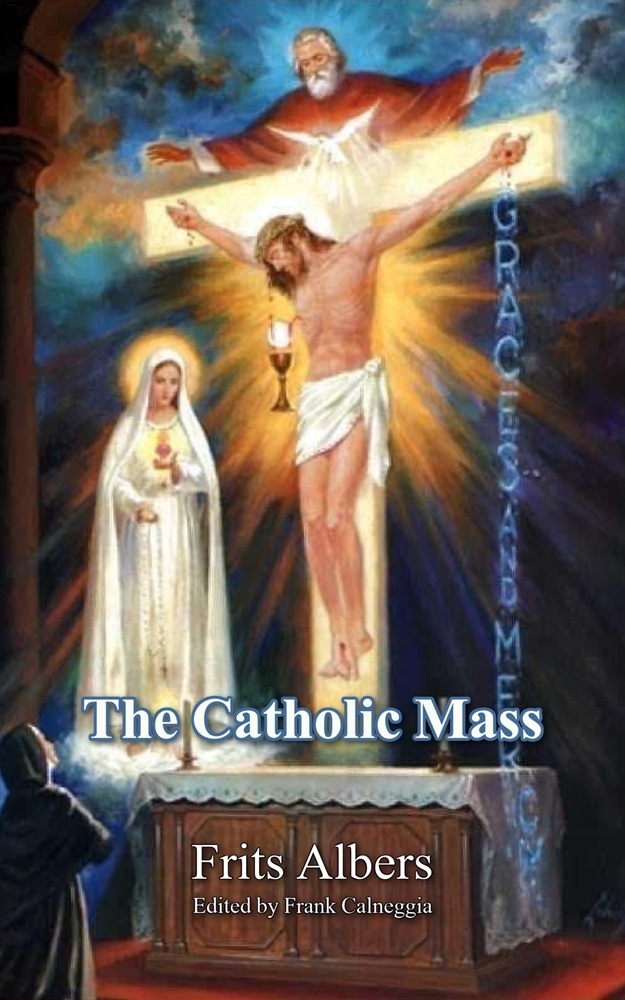
The Catholic Mass by Frits Albers
The Catholic Mass by Frits Albers, edited by Frank Calneggia The Catholic Mass is a systematic exposition and explanation of all the parts of the Holy Sacrifice of the Mass. It is written in plain language so that parents can better understand the Mass themselves and...

Redeeming Reason: The Battle for Faith, Rationality, and Truth, Part 1 by Eduardo J. Echeverria
Redeeming Reason: The Battle for Faith, Rationality, and Truth, Part 1 by Eduardo J. Echeverria Redeeming Reason shows how faith and rational inquiry belong together, challenging secular autonomy and fideism. Eduardo J. Echeverria—Roman Catholic Kuyperian—engages...
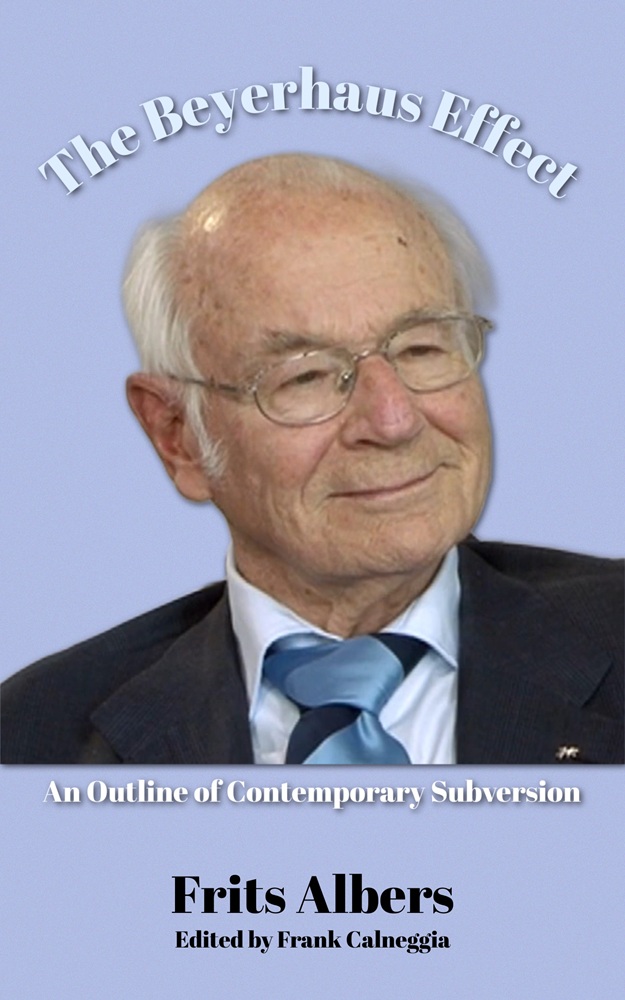
The Beyerhaus Effect: An Outline of Contemporary Subversion by Frits Albers
The Beyerhaus Effect: An Outline of Contemporary Subversion by Frits Albers, edited by Frank Calneggia The Beyerhaus Effect is a penetrating theological analysis of modern ecclesial subversion, examining how orthodox Christian teaching exposes-and disrupts-ideological...
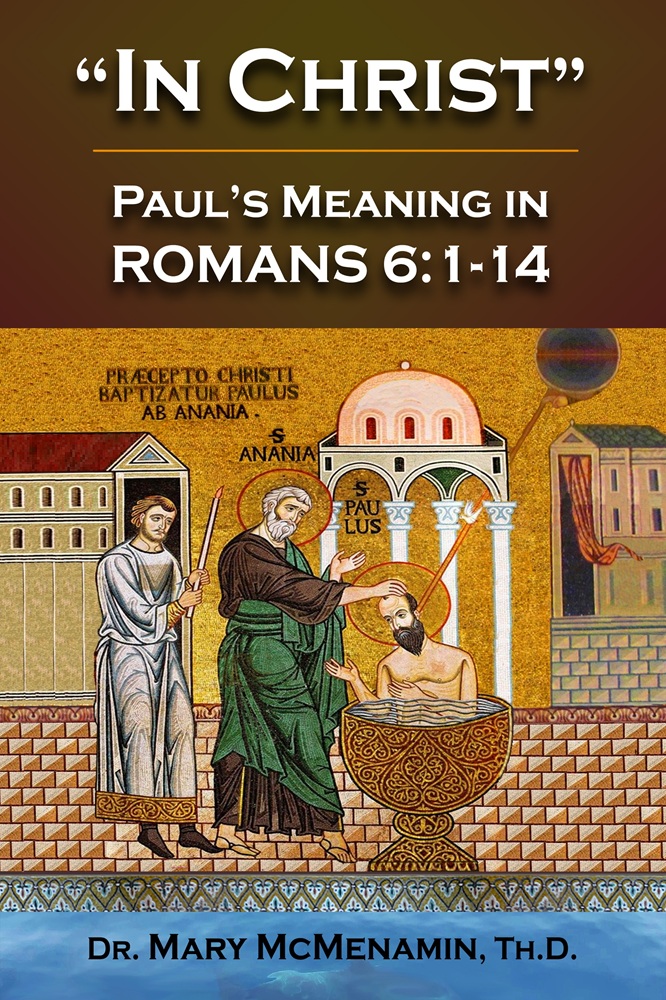
“In Christ”: Paul’s Meaning in Romans 6:1-14 by Mary Angela McMenamin
"In Christ": Paul's Meaning in Romans 6:1-14 by Mary Angela McMenamin Paul coined the phrase “in Christ” as entered through baptism. Does the phrase reveal something profound about our optimal state of aliveness? Does Paul use “in Christ” instead of the Trinitarian...
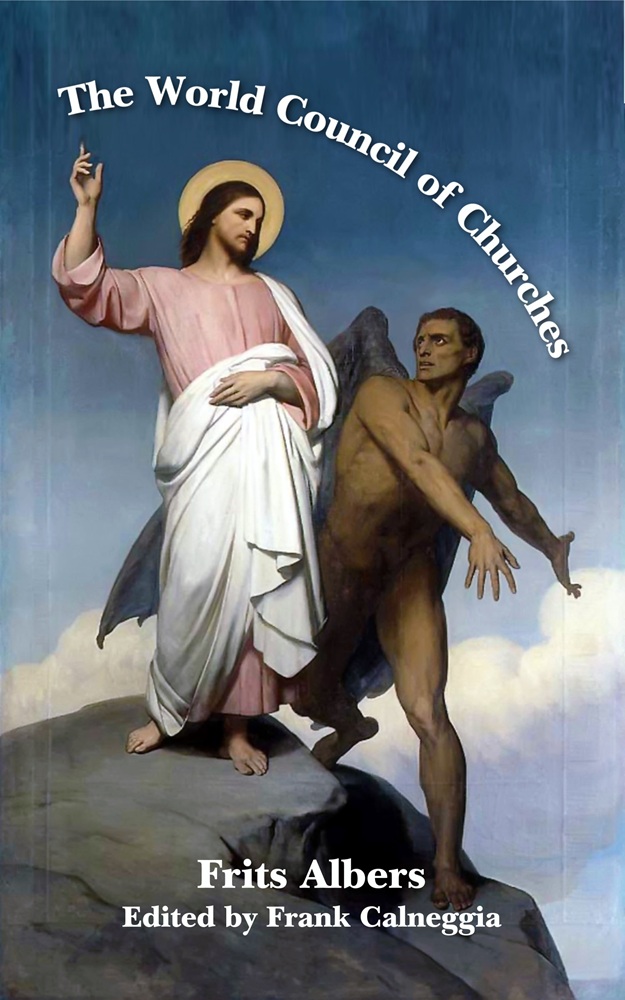
The World Council of Churches by Frits Albers
The World Council of Churches by Frits Albers, edited by Frank Calneggia The World Council of Churches by Frits Albers offers a forceful theological critique of the ecumenical movement through a distinctly Catholic lens. Drawing on Scripture, Church teaching, and...
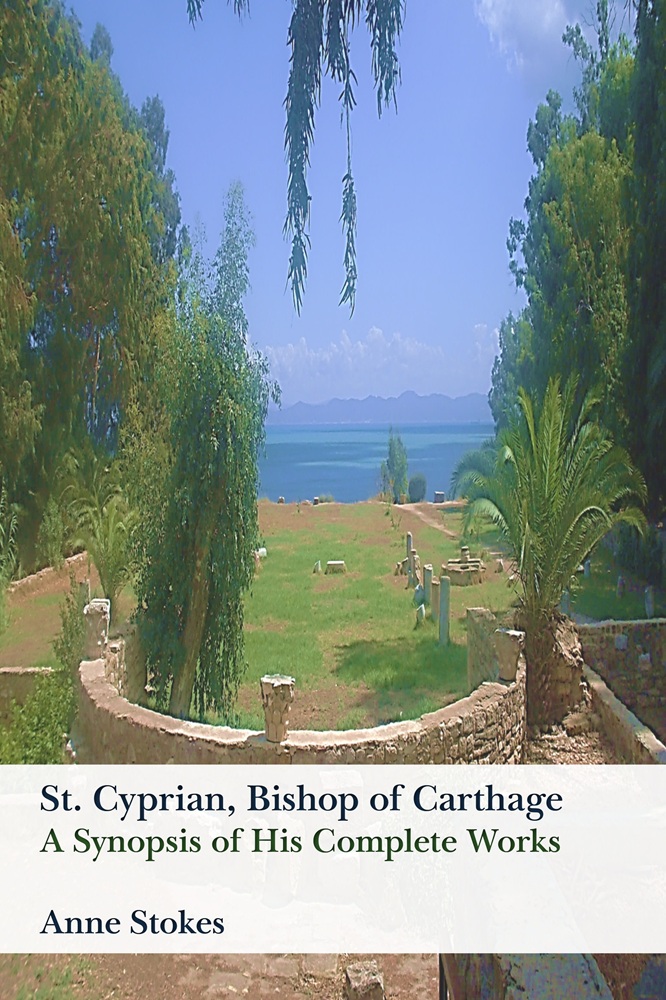
St. Cyprian, Bishop of Carthage: A Synopsis of His Complete Works by Anne Stokes
St. Cyprian, Bishop of Carthage: A Synopsis of His Complete Works by Anne Stokes This book offers a clear, structured guide to the writings of one of the Church’s most pivotal third-century bishops. Drawing from Cyprian’s eighty-two epistles, twelve treatises, and...
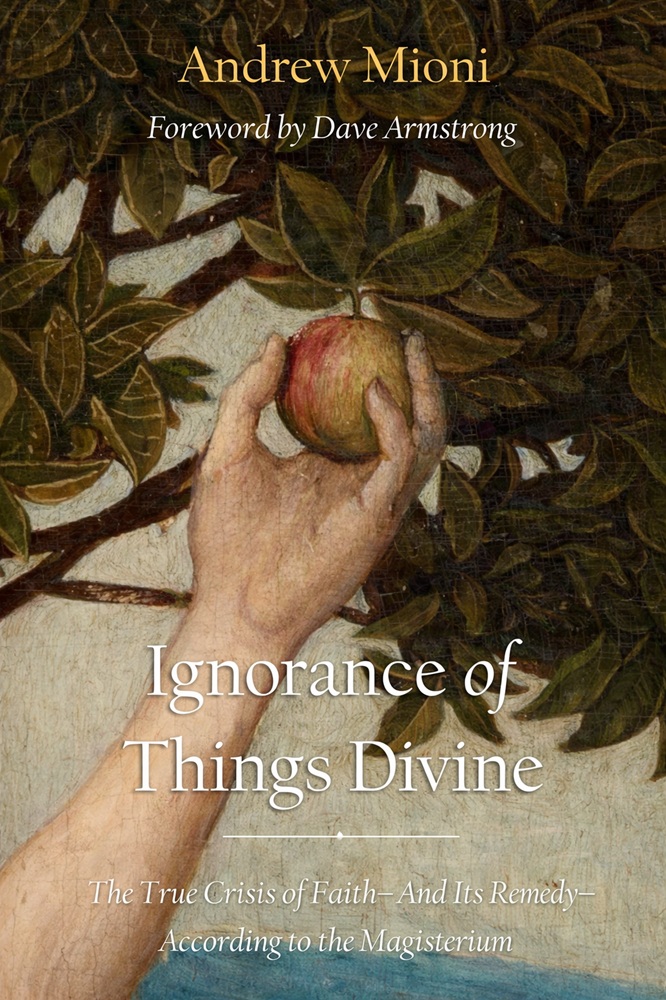
Ignorance of Things Divine: The True Crisis of Faith – And Its Remedy – According to the Magisterium by Andrew Mioni
Ignorance of Things Divine: The True Crisis of Faith – And Its Remedy – According to the Magisterium By Andrew Mioni The Catholic Church has certainly been afflicted by a crisis of faith in recent decades. But is this a crisis that began with the reforms of Vatican...
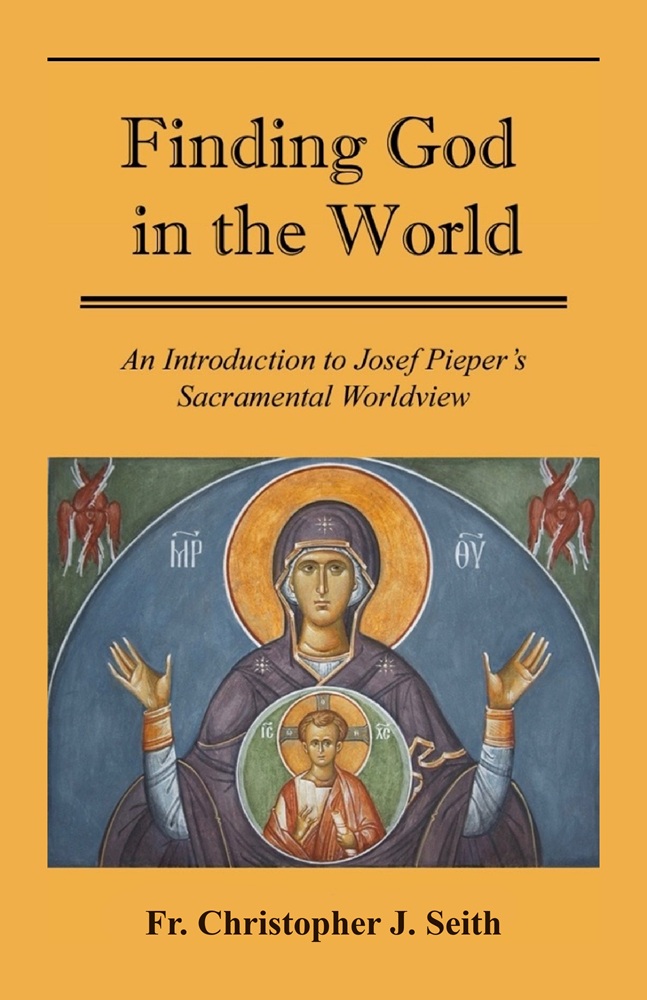
Finding God in the World: The Sacramental Worldview of Josef Pieper by Fr. Christopher Seith
Finding God in the World: An Introduction to Josef Pieper's Sacramental Worldview by Fr. Christopher Seith “Man’s ability to see is in decline… because there is too much to see.” These words of philosopher Josef Pieper offer an insightful diagnosis of modern man’s...
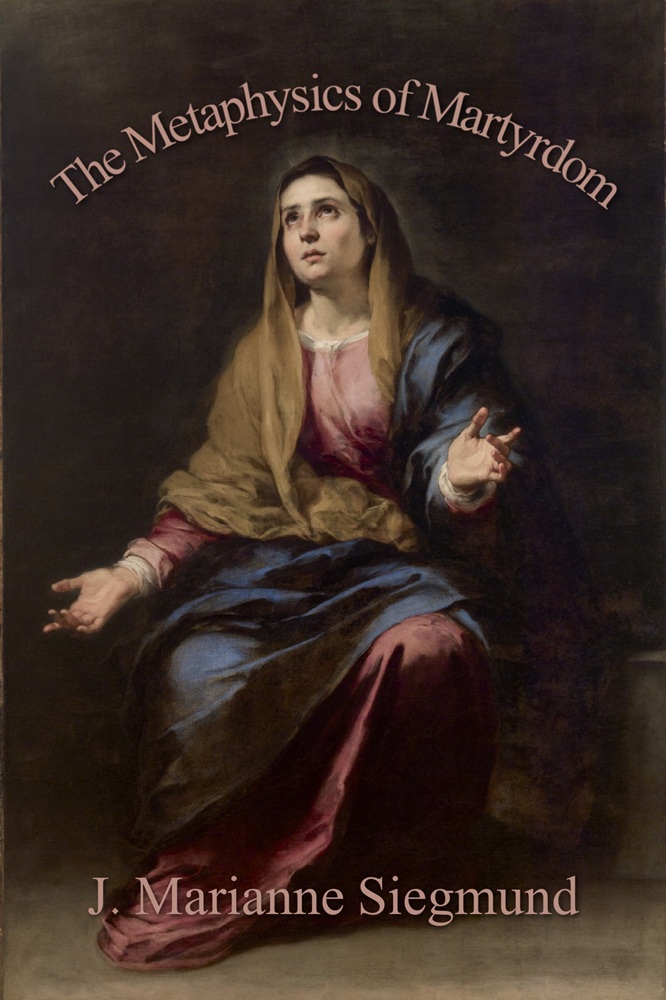
The Metaphysics of Martyrdom by J. Marianne Siegmund
The Metaphysics of Martyrdom by J. Marianne Siegmund In The Metaphysics of Martyrdom, J. Marianne Siegmund explores the mystery of witness through death as a metaphysical act of fidelity to truth, goodness, and beauty. Drawing upon Scripture, St. Thomas Aquinas, and...

A Concise Introduction to Bernard Lonergan, S.J. by Fr. John P. Cush, STD
A Concise Introduction to Bernard Lonergan, S.J. by Rev. John P. Cush, STD This accessible introduction explores the life, thought, and theological method of Bernard Lonergan, SJ. It traces his biography, intellectual influences, and major works—especially Insight and...

Sacred Images and the Belief in the Real Presence by Lisette A. Arguello, Th.D.
Response received from Pope Leo XIV's office! He's grateful for Lisette's book! You should be, too! Get your copy today!Sacred Images and the Belief in the Real Presence: From the Patristic Era to the Present by Lisette A. Arguello This book argues that venerating...
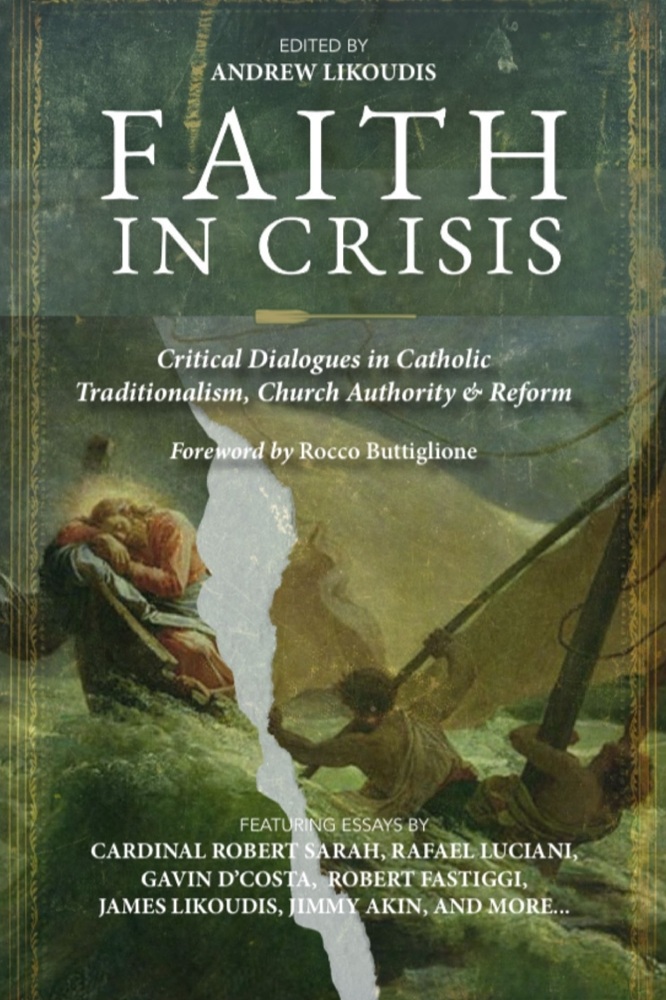
Faith in Crisis: Critical Dialogues in Catholic Traditionalism, Church Authority, and Reform edited by Andrew Likoudis
Cardinal Cristophe Pierre, Papal Nuncio to the US, likes Faith in Crisis! You should, too! Get your copy today! Faith in Crisis: Critical Dialogues in Catholic Traditionalism, Church Authority, and Reform edited by Andrew Likoudis Faith in Crisis equips Catholics to...
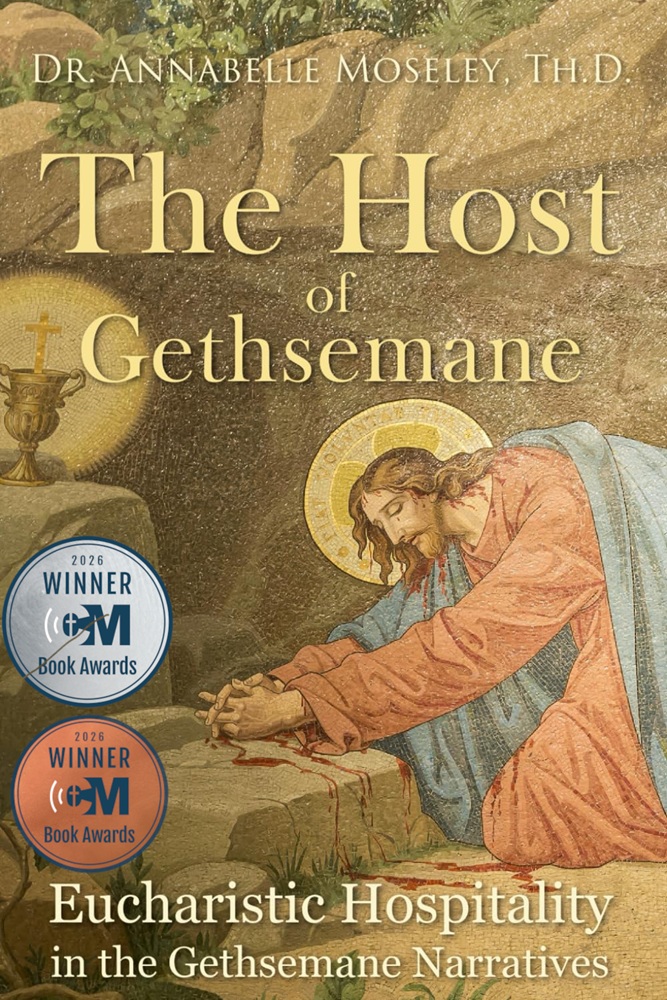
The Host of Gethsemane: Eucharistic Hospitality in the Gethsemane Narratives by Dr. Annabelle Moseley, Th.D.
The Host of Gethsemane: Eucharistic Hospitality in the Gethsemane Narratives by Dr. Annabelle Moseley, Th.D. Discovering the Garden of Gethsemane as an Invitation to Deeper Prayer, Obedience to the Will of God, and Deeper Love of the Eucharist The Host of...
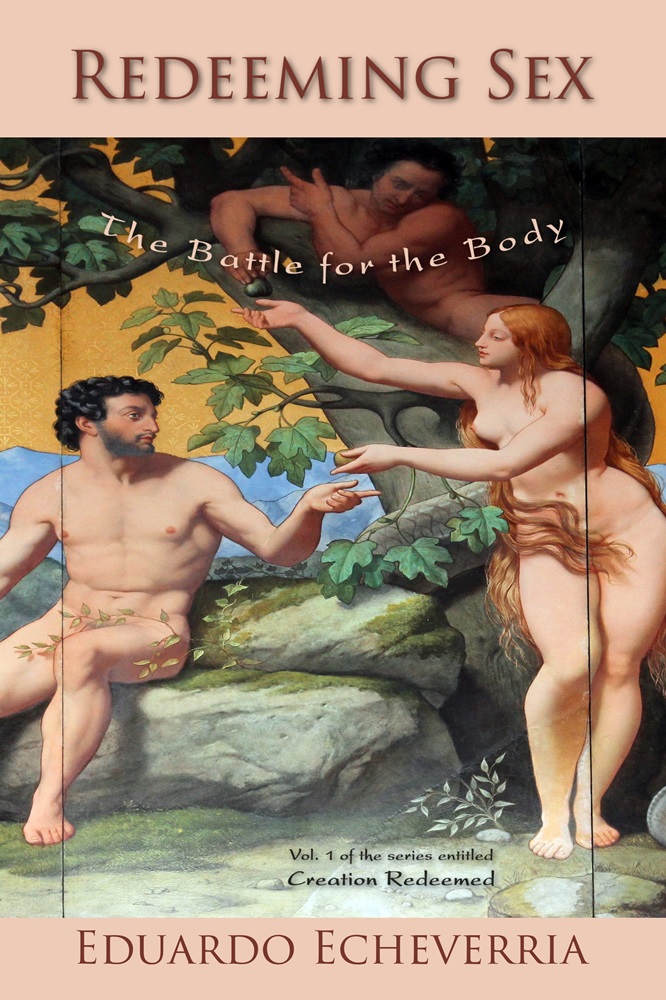
Redeeming Sex: The Battle for the Body by Eduardo Echeverria
Redeeming Sex: The Battle for the Body by Eduardo J. Echeverria The project of redeeming sex involves the battle for the body, one that is fought on many fronts in this book: the need for a philosophical and theological anthropology on the nature of the human person,...
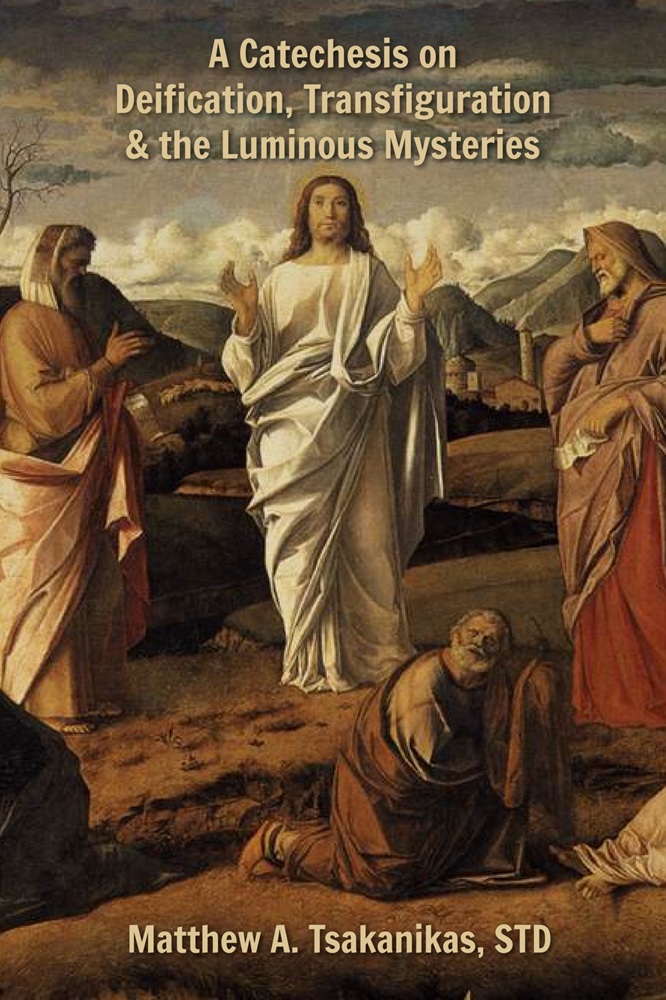
A Catechesis on Deification, Transfiguration & the Luminous Mysteries by Matthew A. Tsakanikas, STD
A Catechesis on Deification, Transfiguration & the Luminous Mysteries by Matthew A. Tsakanikas, STD This book is a catechetical exploration of Christian deification, deeply rooted in the theological insights of Saint Athanasius and other Church Fathers. The work...
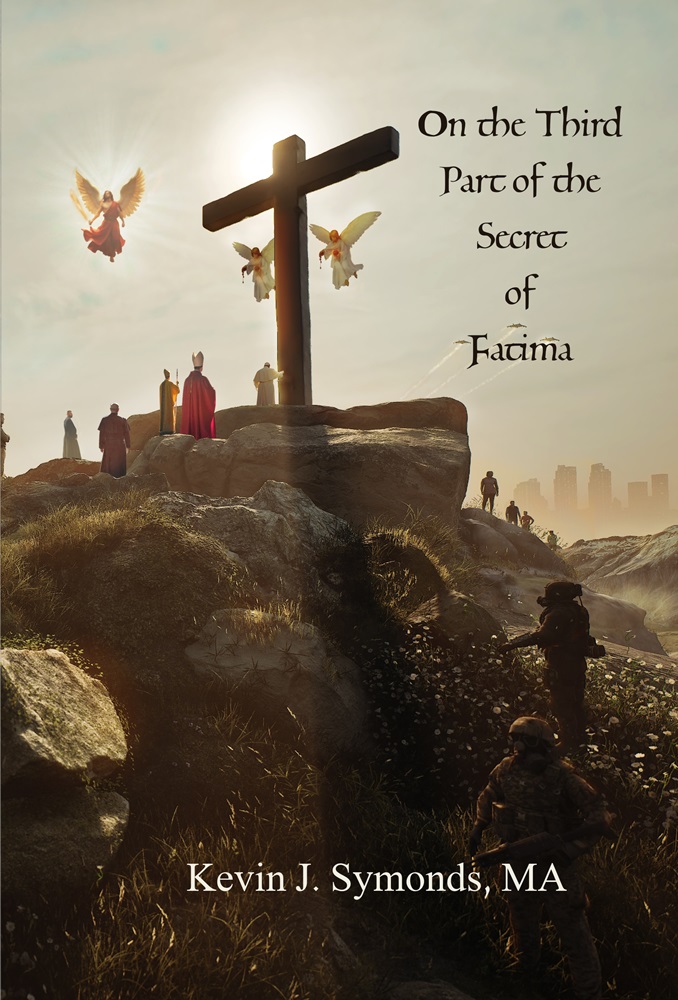
On the Third Part of the Secret of Fatima
For ongoing updates to this discussion, please visit Kevin’s website at https://kevinsymonds.com/ Special thanks: In addition to those named within the book as translators, En Route Books and Media would like to give a special thanks to Dr. Michela Ferri, who proofed...
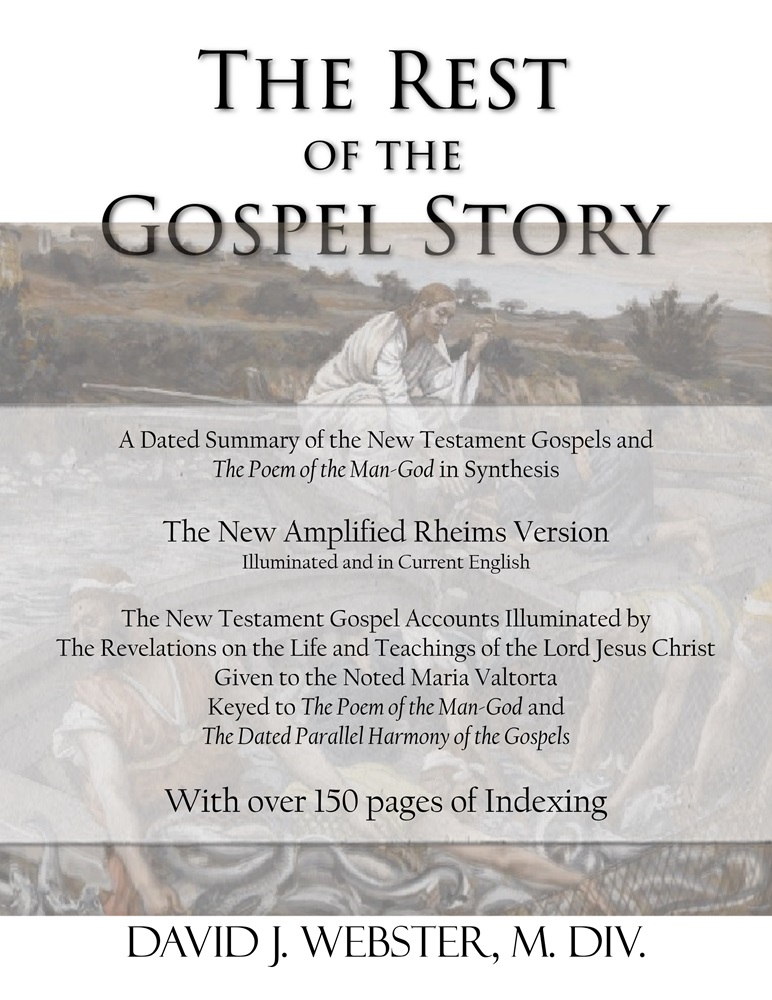
The Rest of the Gospel Story: A Dated Summary of the New Testament Gospels and The Poem of the Man-God in Synthesis by David J. Webster
The Rest of the Gospel Story: A Dated Summary of the New Testament Gospels and The Poem of the Man-God in Synthesis by David J. Webster The Church distinguishes between “private” revelations, meant for personal faith and discernment, and revelations of public...
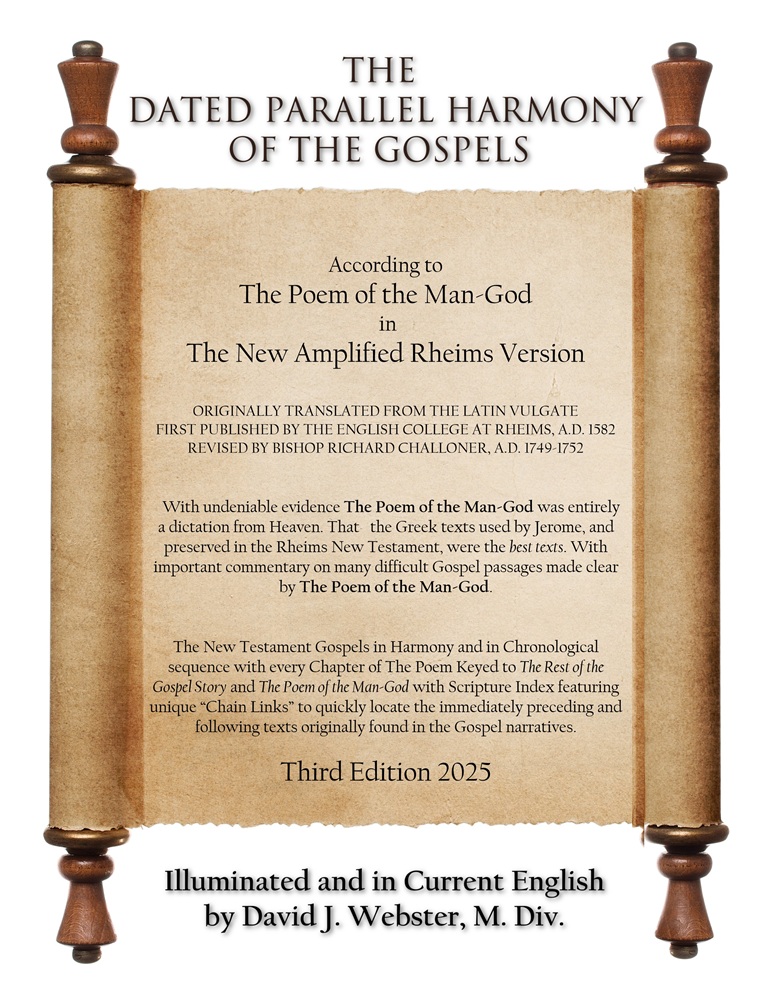
The Dated Parallel Harmony of the Gospels by David J. Webster
The Dated Parallel Harmony of the Gospels by David J. Webster The Holy ScripturesOur Divine Family Legacy as the sons of God.The grand history of human redemption revealed in three great epics: The Greatest Story ever told, the miraculous origin, deliverance and...
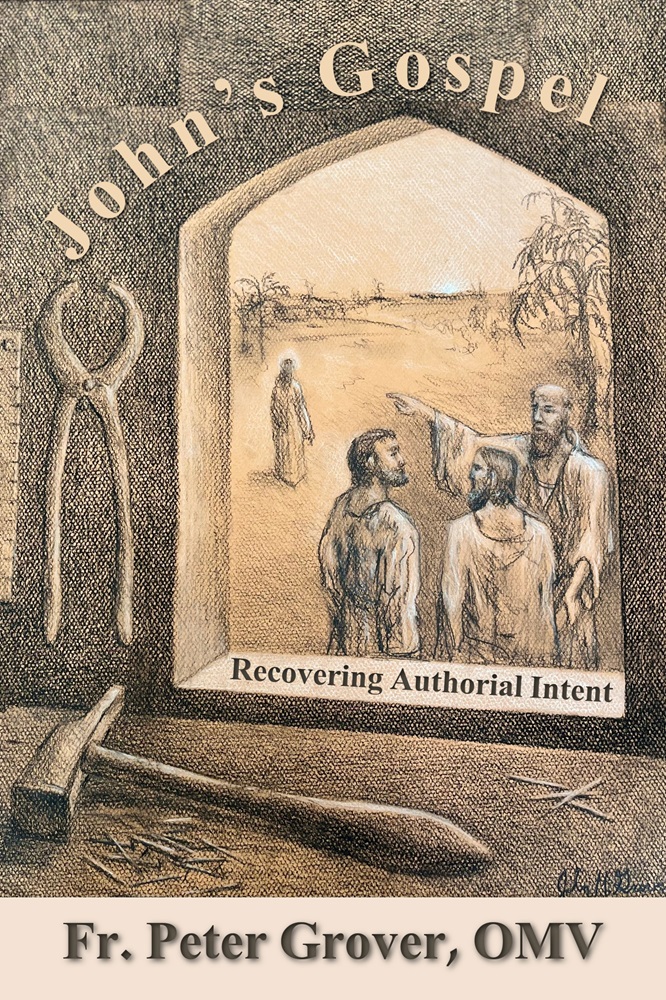
John’s Gospel: Recovering Authorial Intent by Fr. Peter Grover, OMV
John's Gospel: Recovering Authorial Intent by Fr. Peter Grover, OMV In this book, Fr. Peter Grover, OMV, introduces an innovative intratextual methodology to interpret the Gospel of John as a cohesive literary work, focusing on the author’s intent. He argues that the...
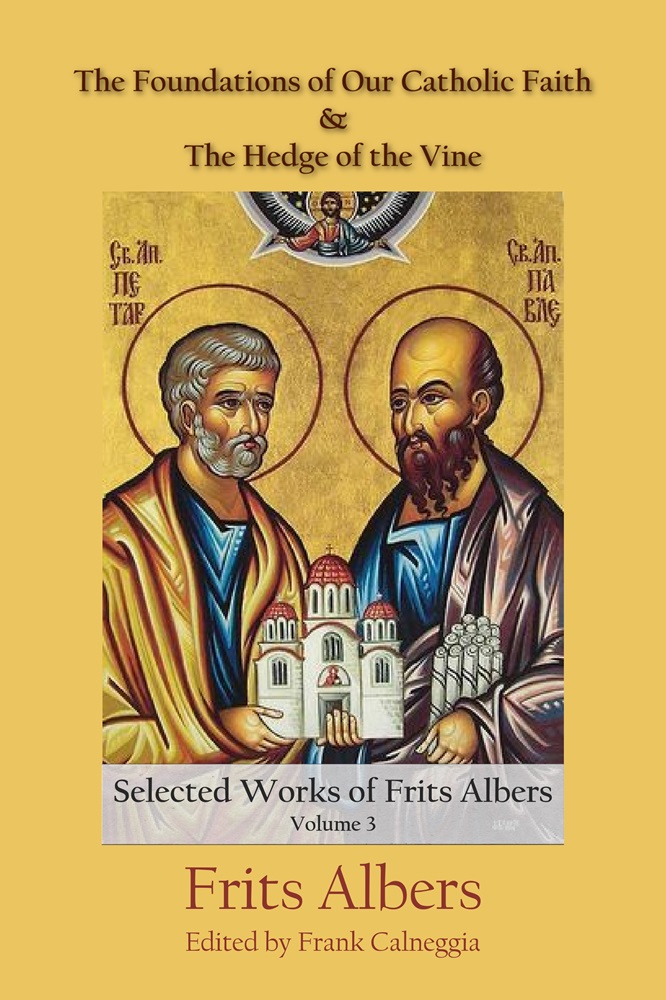
Foundations of Our Catholic Faith and The Hedge of the Vine: Selected Works of Frits Albers, Volume 3, Ed. by Frank Calneggia
The Foundations of Our Catholic Faith and The Hedge of the Vine: The Selected Works of Frits Albers, Vol. 3 by Frits Albers, edited by Frank Calneggia Selected for publication in this third volume of the works of Frits Albers are the following: The Foundations of Our...
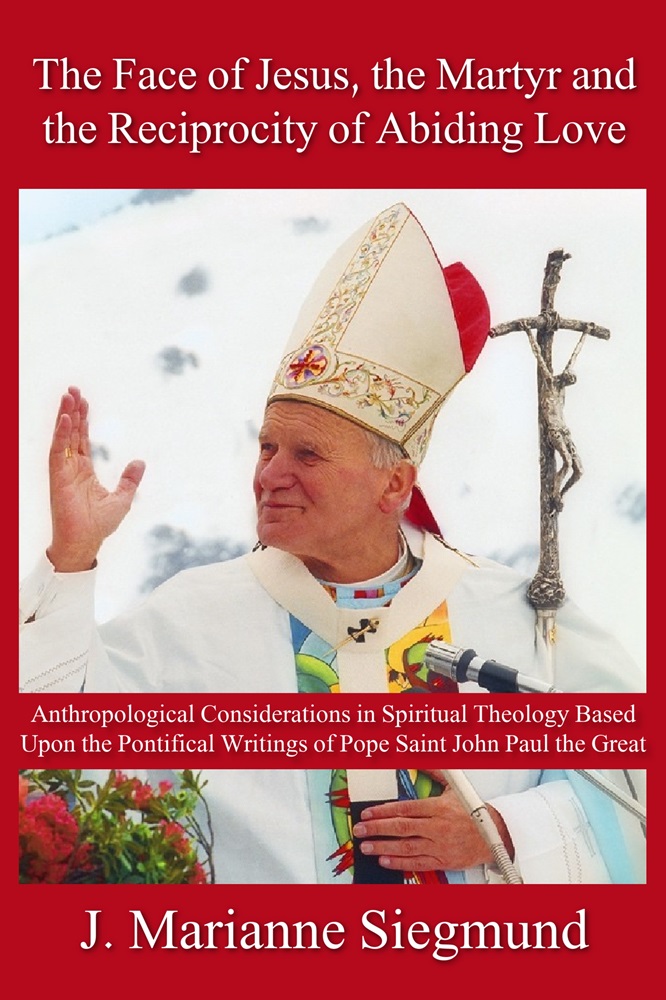
The Face of Jesus, the Martyr and the Reciprocity of Abiding Love by J. Marianne Siegmund
The Face of Jesus, the Martyr and the Reciprocity of Abiding Love: Anthropological Considerations in Spiritual Theology Based Upon the Pontifical Writings of Pope Saint John Paul the Great by J. Marianne Siegmund This book explores the theological and spiritual...
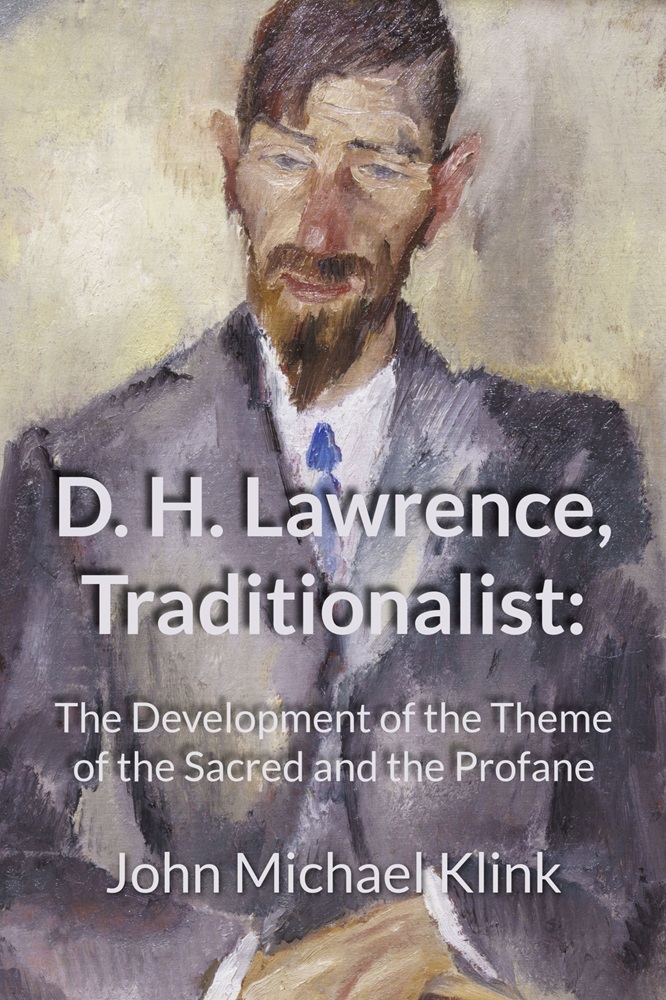
D. H. Lawrence, Traditionalist: The Development of the Theme of the Sacred and the Profane by John Michael Klink
D.H. Lawrence, Traditionalist: The Development of the Theme of the Sacred and the Profane by John Michael Klink In this book, John Michael Klink shows how Lawrence redirects the modern reader to an awareness of the ancient distinction between that which yields life...
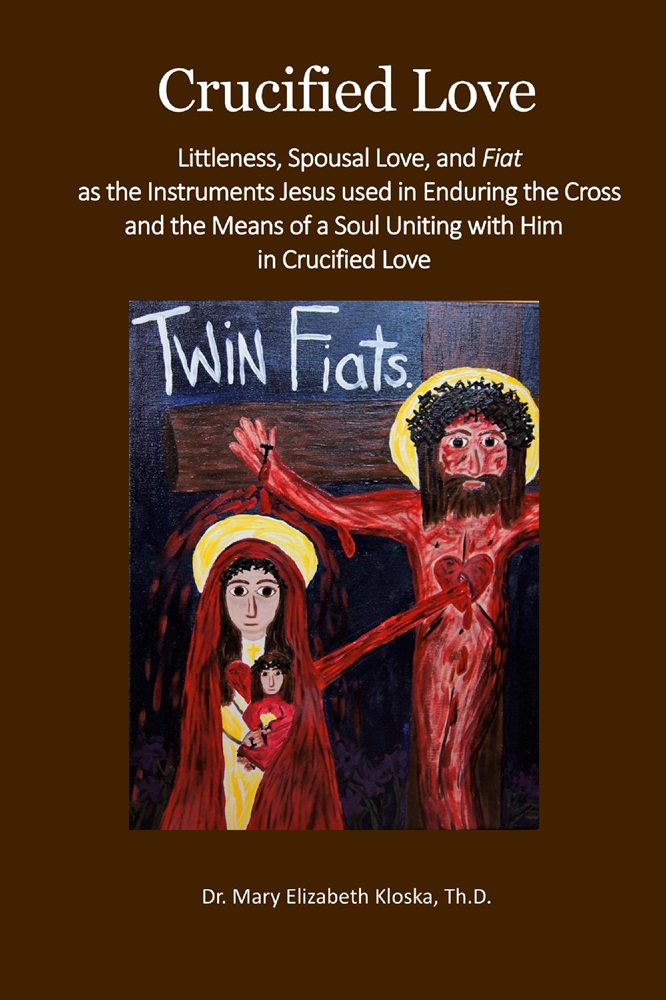
Crucified Love: Littleness, Spousal Love, and Fiat as the Instruments Jesus used in Enduring the Cross and the Means of a Soul Uniting with Him in Crucified Love by Dr. Mary Kloska
Crucified Love: Littleness, Spousal Love, and Fiat as the Instruments Jesus used in Enduring the Cross and the Means of a Soul Uniting with Him in Crucified Love by Dr. Mary Elizabeth Anne Kloska, Fiat+ In Crucified Love: Littleness, Spousal Love, and Fiat as...
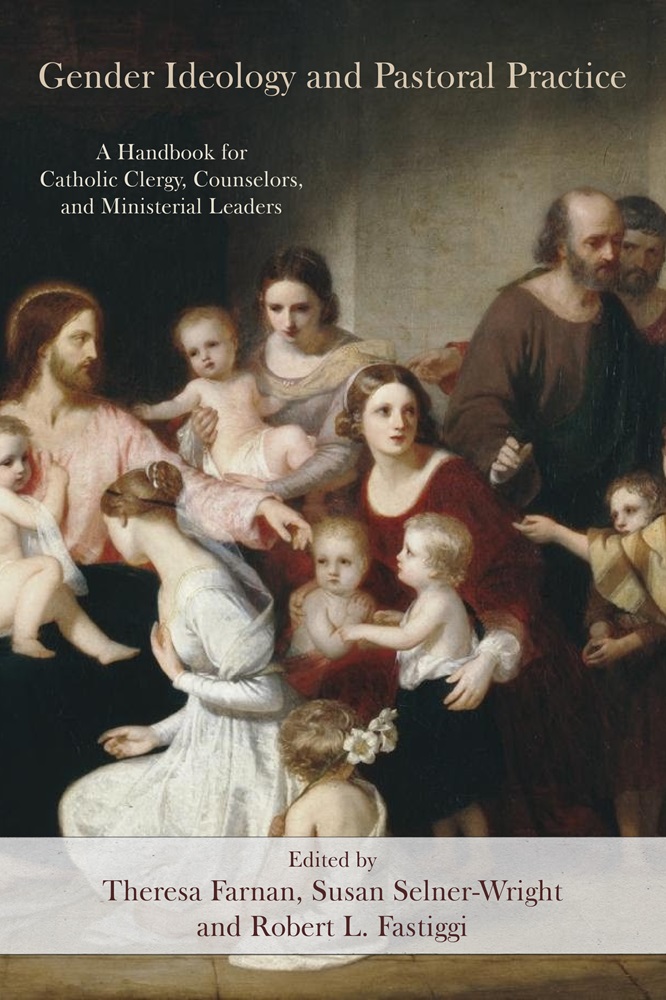
Gender Ideology and Pastoral Practice: A Handbook for Catholic Clergy, Counselors, and Ministerial Leaders by Theresa Farnan, Susan Selner-Wright, and Robert L. Fastiggi
Guidance about the Transgender Question: A Discussion with Theresa Farnan, Robert L. Fastiggi, Susan Selner-Wright, hosted by Krzysztof Odyniec. Click here for more.Gender Ideology and Pastoral Practice: A Handbook for Catholic Clergy, Counselors, and Ministerial...
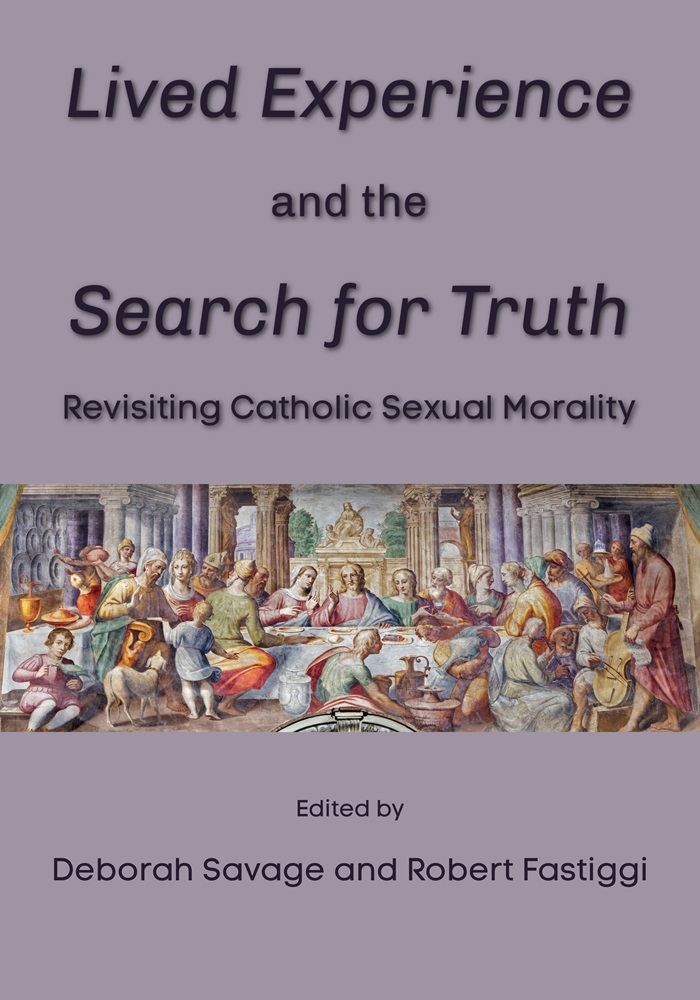
Lived Experience and the Search for Truth: Revisiting Catholic Sexual Morality
Lived Experience and the Search for Truth: Revisiting Catholic Sexual Morality Editors -- Deborah Savage and Robert L. Fastiggi This book is an initial attempt to arrive inductively at the truths embedded in the moral teaching of the Church through the lived...
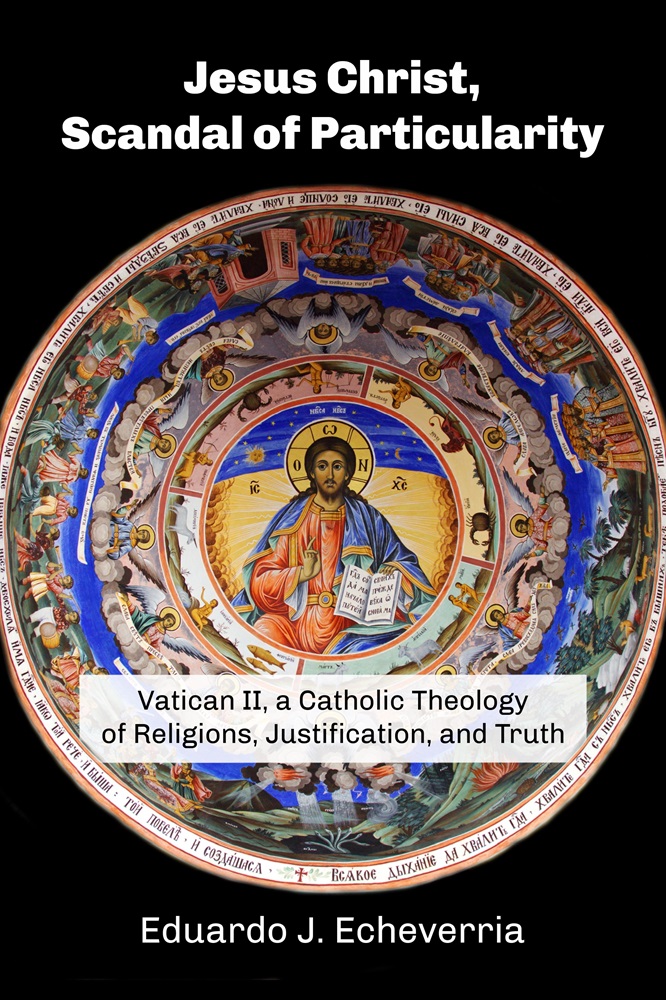
Jesus Christ, Scandal of Particularity: Vatican II, a Catholic Theology of Religions, Justification, and Truth by Eduardo J. Echeverria
Jesus Christ, Scandal of Particularity: Vatican II, a Catholic Theology of Religions, Justification, and Truth by Eduardo J. Echeverria In this book, in view of the light of Jesus Christ, the Light of the world, and hence the scandal of particularity, the author...
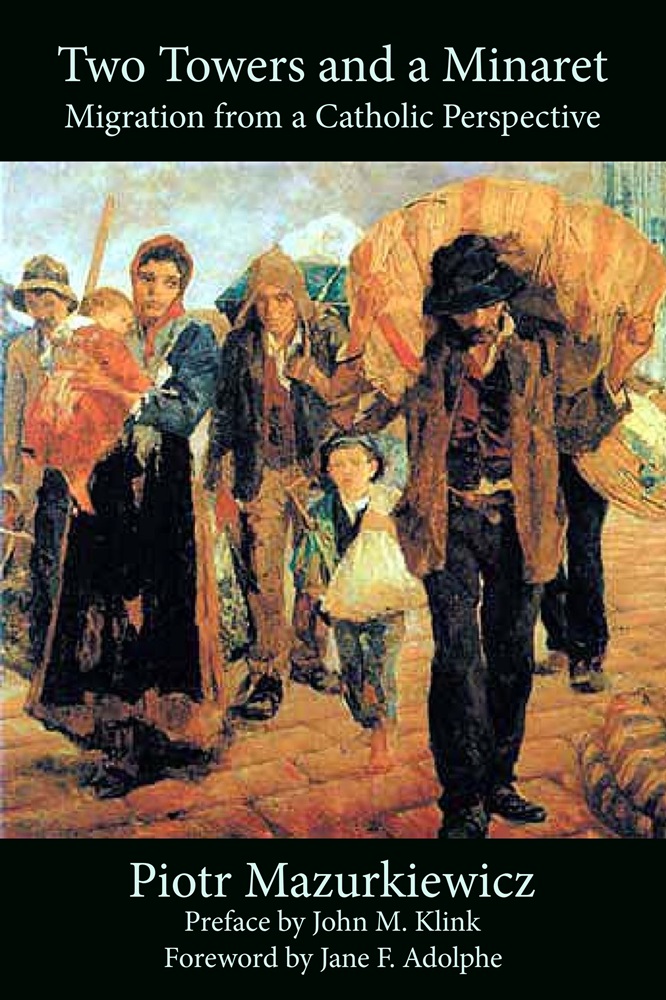
Two Towers and a Minaret: Migration from a Catholic Perspective by Fr. Piotr Mazurkiewicz
Two Towers and a Minaret: Migration from a Catholic Perspective by Fr. Piotr Mazurkiewicz with a preface by John M. Klink and a foreword by Jane F. Adolphe Mass migration is a serious challenge in both America and Europe. Hence the question of the ethical limits of...

Rigidez: Fidelidade ou Heterodoxia? por Pedro Gabriel
Rigidez: Fidelidade ou Heterodoxia? por Pedro Gabriel "Porque é que o Papa Francisco está sempre a criticar os católicos fiéis?" é uma pergunta frequentemente repetida sempre que o Santo Padre faz uma das suas habituais invectivas contra a rigidez religiosa. De facto,...

Altar Against Altar: An Analysis of Radical Traditionalism, Second Edition by Andrew Mioni
Altar Against Altar: An Analysis of Radical Traditionalism, Second Edition By Andrew Mioni Does radical traditionalism align with true Catholic tradition? Altar Against Altar explores the core tenets of the independent traditionalist movement that has grown since...
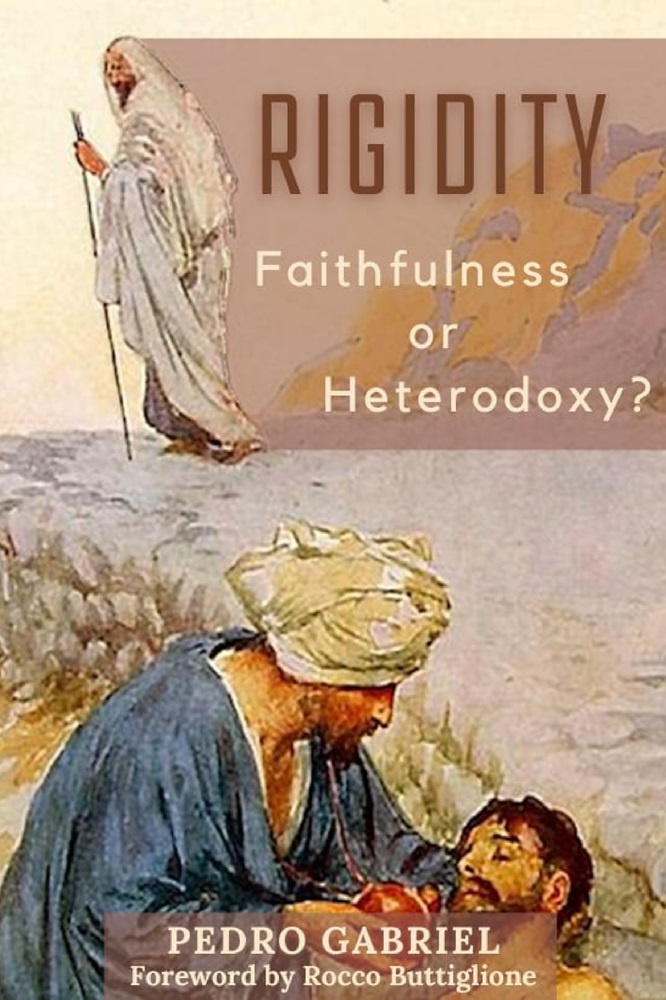
Rigidity: Faithfulness or Heterodoxy by Pedro Gabriel
Rigidity: Faithfulness or Heterodoxy? by Pedro Gabriel “Why is Pope Francis always criticizing faithful Catholics?” is an oft-repeated question whenever the Holy Father makes one of his usual invectives against religious rigidity. Francis has indeed made such...
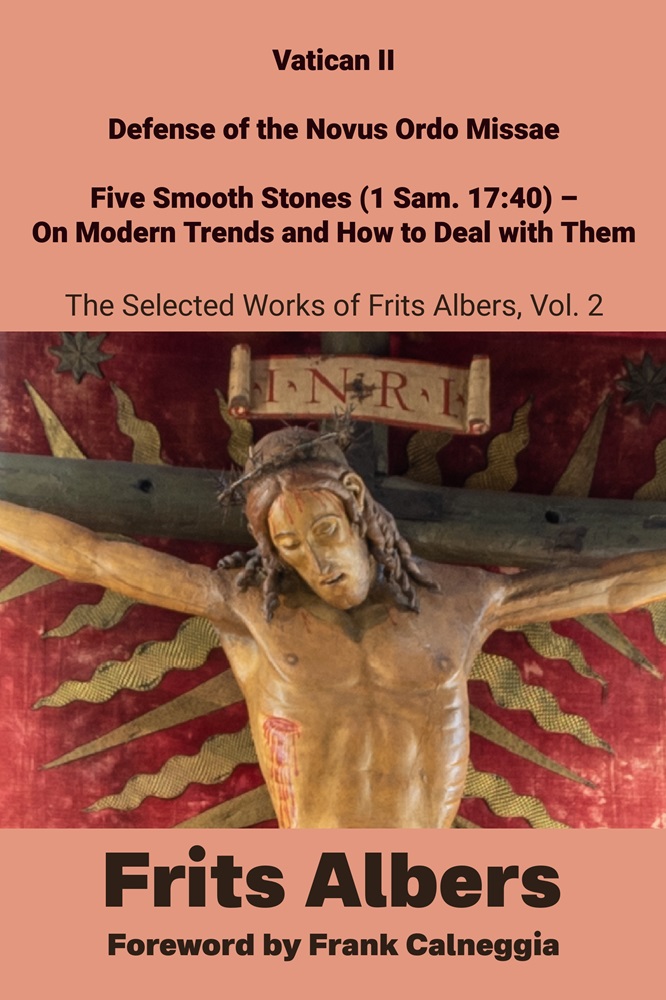
Vatican II, Defense of the Novus Ordo Missae, Five Smooth Stones (1 Sam. 17:40) – On Modern Trends and How to Deal with Them: The Selected Works of Frits Albers, Vol. 2 by Frits Albers
Vatican II, Defense of the Novus Ordo Missae, Five Smooth Stones (1 Sam. 17:40) – On Modern Trends and How to Deal with Them: The Selected Works of Frits Albers, Vol. 2 by Frits Albers, edited with a Foreword by Frank Calneggia Selected for publication in this second...
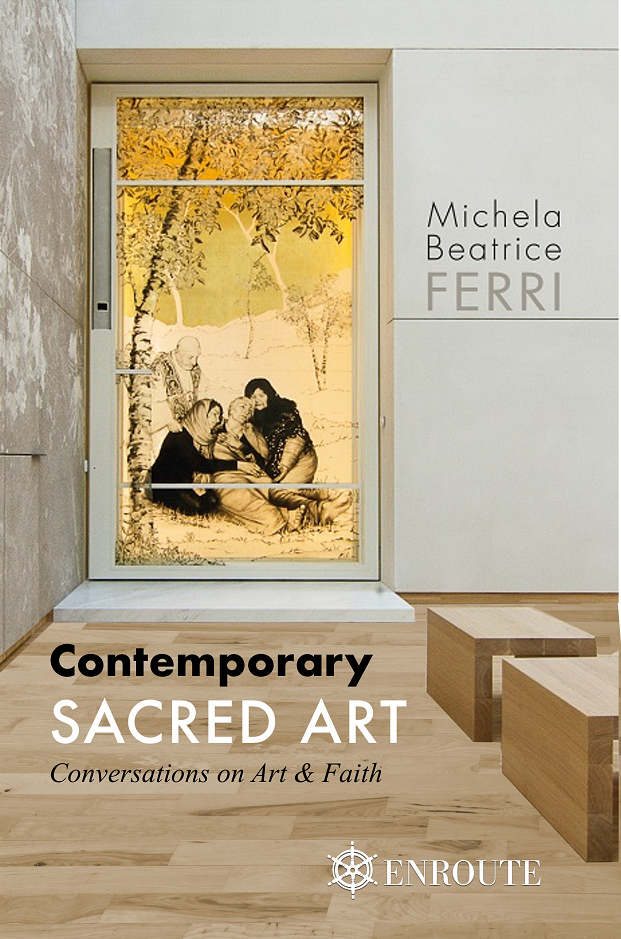
Contemporary Sacred Art: Conversations on Art & Faith
Contemporary Sacred Art: Conversations on Art & Faith by Dr. Michela Beatrice Ferri In translation now from the Italian. Buy it in the original language here: What is the so-called “Contemporary Sacred Art”? In her book, Michela Beatrice Ferri inquires about the...
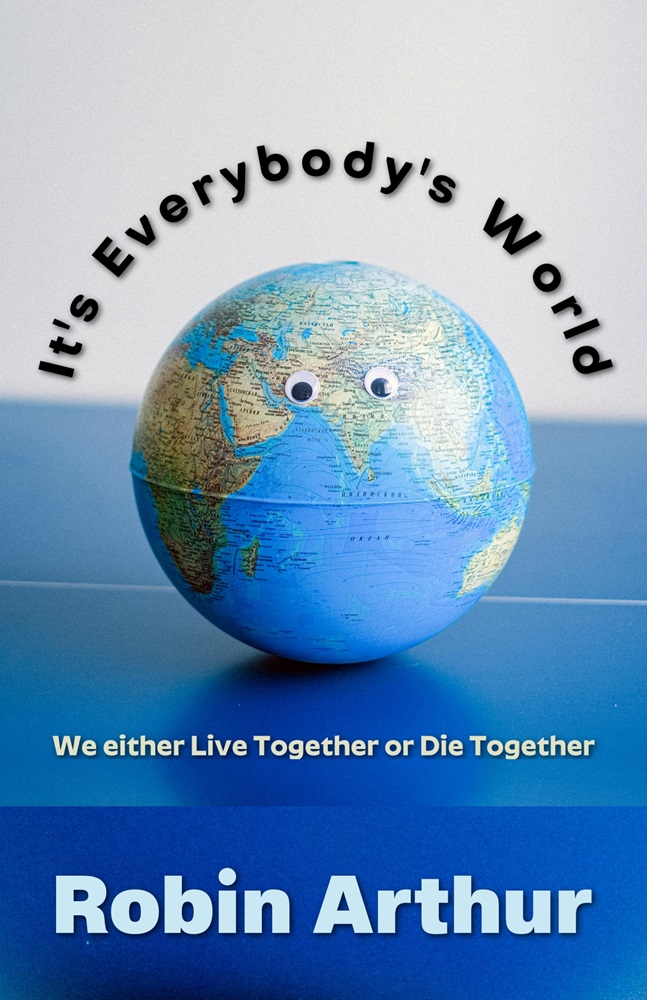
It’s Everybody’s World: We either Live Together or Die Together by Robin Arthur
It's Everybody's World: We either Live Together or Die Together by Robin Arthur This book invites global communities to seek the peaceful advancement of humanity that globalisation can bring about and open the gates to a common future, casting away the other troubles...
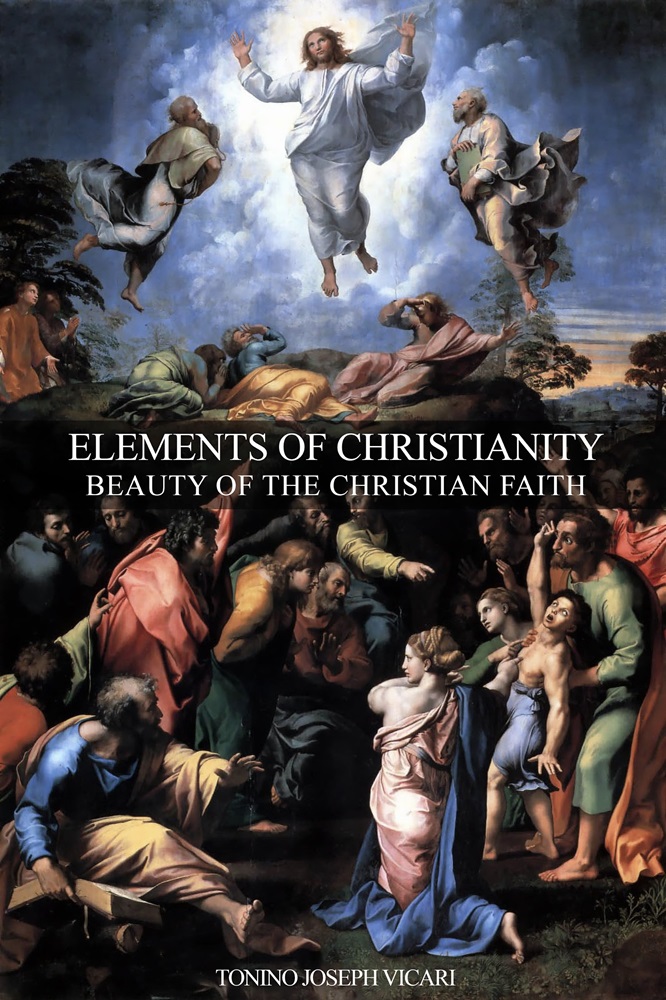
Elements of Christianity: The Beauty of the Christian Faith
Elements of Christianity: The Beauty of the Christian Faith by Tonino Vicari This book attempts to make accessible to the average reader the basic elements of Church teaching concerning morality, natural law, and supernatural truths that have been passed down through...
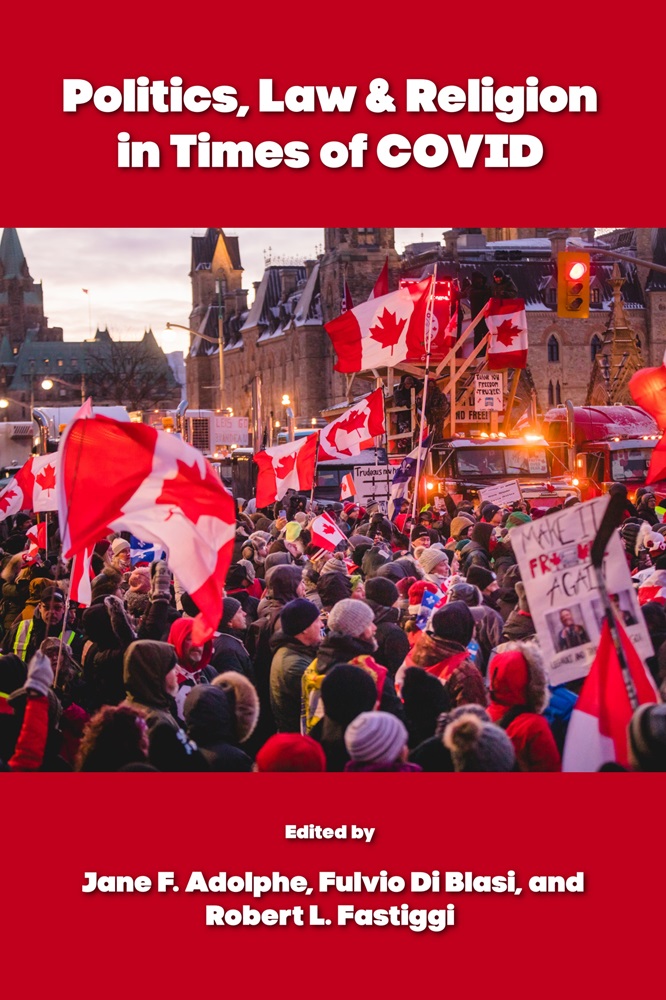
Politics, Law & Religion in Times of COVID, ed. by Jane F. Adolphe, Fulvio Di Blasi, Robert L. Fastiggi
Politics, Law & Religion in Times of COVID Editors, Jane F. Adolphe, Fulvio Di Blasi, and Robert L. Fastiggi After two years of anti-COVID-19 policies, an international group of Catholic scholars and lawyers gathered in Rome under the auspices of the International...
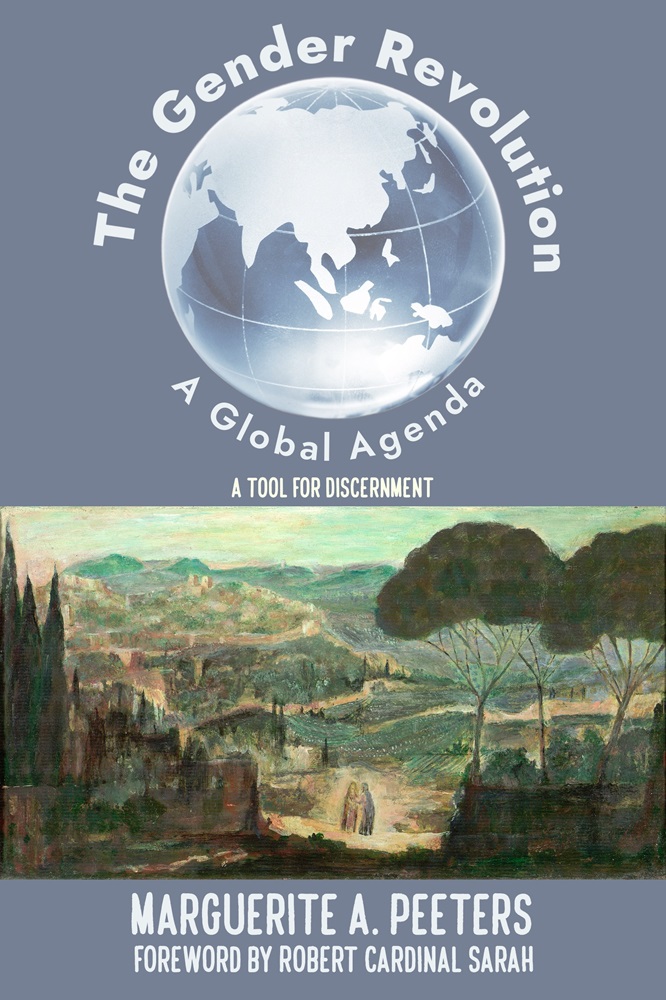
The Gender Revolution: A Global Agenda by Marguerite A. Peeters
The Gender Revolution: A Global Agenda (A Tool for Discernment) by Marguerite A. Peeters, Ph.D., with a Foreword by Robert Cardinal Sarah Wherever one lives in the world and whatever one’s age and occupation, it has today become difficult to escape the influence of...
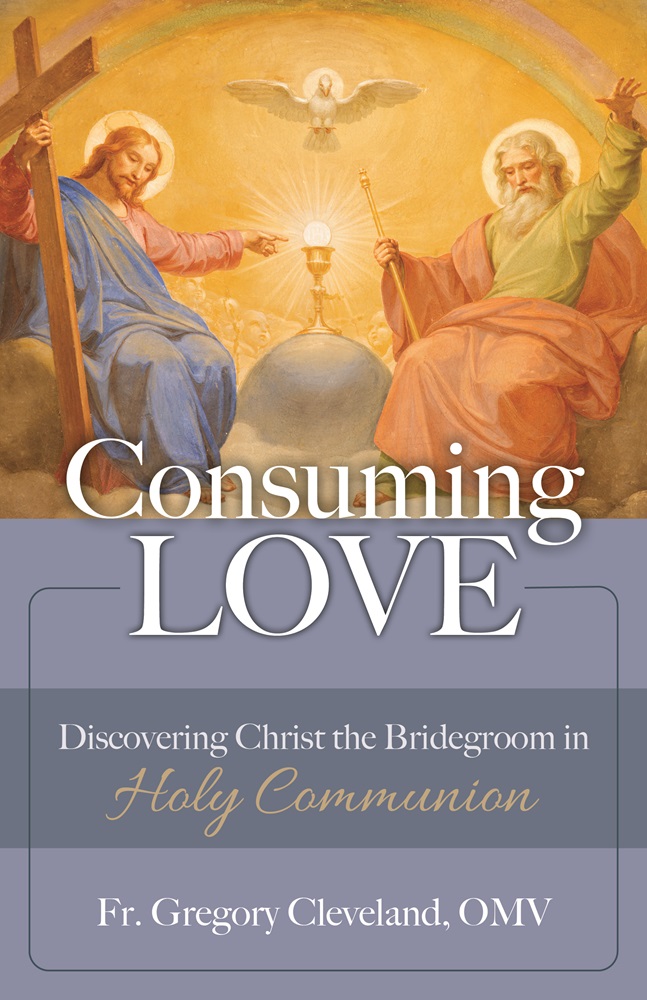
Consuming Love by Fr. Gregory Cleveland, OMV
Consuming Love: Discovering Christ the Bridegroom in Holy Communion by Fr. Gregory Cleveland, OMV The Eucharist is the “sacrament of love.” Jesus Christ is the true Bridegroom of our hearts, and it is he whom we receive in holy Communion. Even if you have received our...
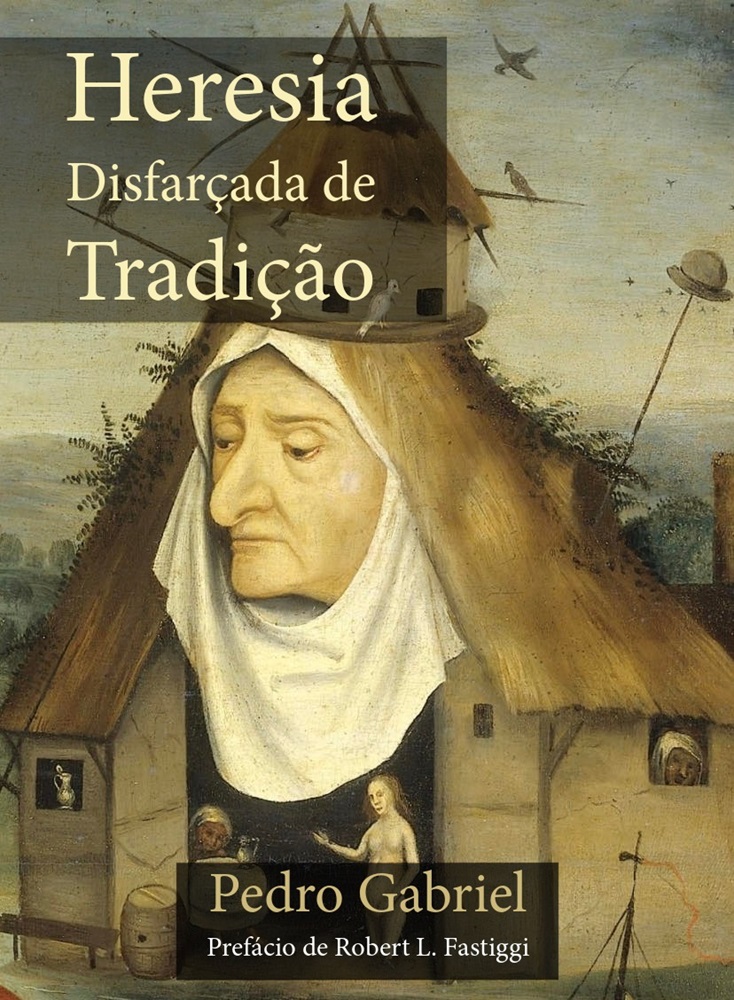
Heresia Disfarçada de Tradição por Pedro Gabriel
Heresia Disfarçada de Tradição por Pedro Gabriel Uma afirmação muito difundida nos círculos católicos atuais é que se pode ignorar os ensinamentos do Papa Francisco ou do Concílio Vaticano II se eles ensinarem algo que parece ir contra a tradição. Será que isso é...