No Results Found
The page you requested could not be found. Try refining your search, or use the navigation above to locate the post.
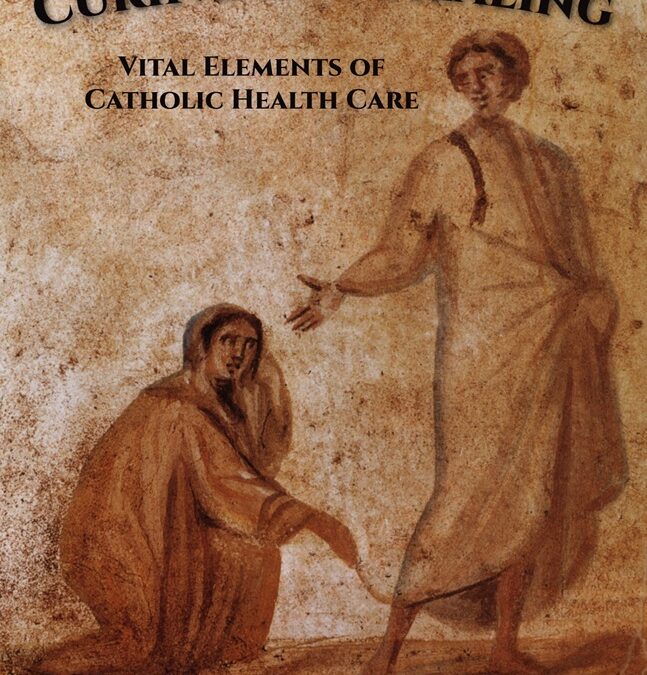
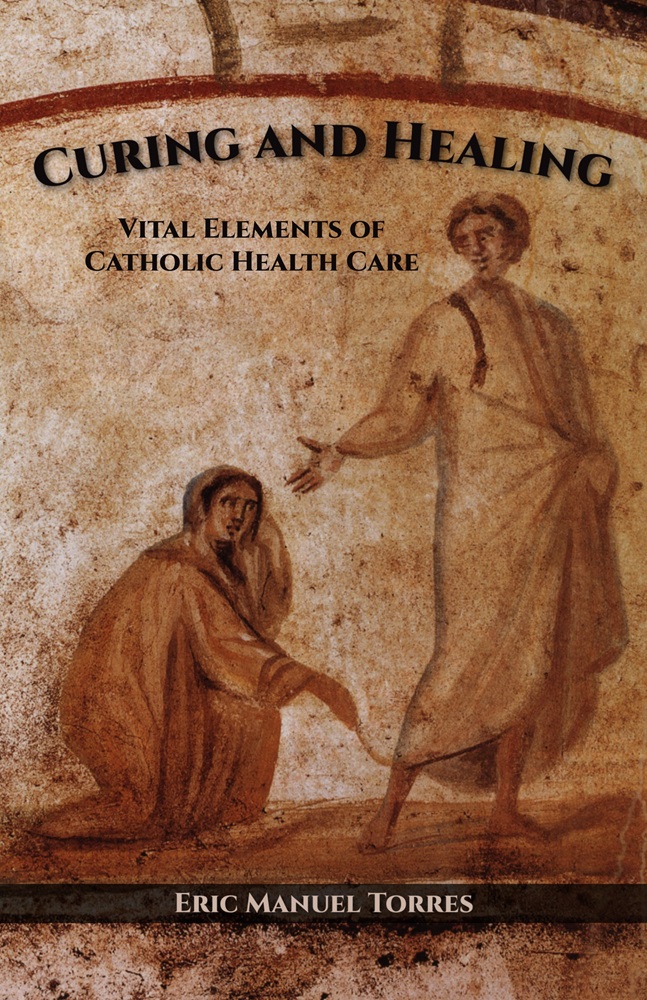

In this research, the significance of curing and healing will be explored with an emphasis on how both are vital to Catholic health care. This essay aims to show that only by embracing both components can health care professionals truly care for the whole person. Moreover, Christian health care professionals ought to follow Christ’s example in order to serve in His mission of caring holistically for those that are ill. As Luke’s account of the Haemorrhoissa (Lk 8:42-48) not only provides a vignette distinguishing between curing and healing, but also an excellent example of how Christ attended to both elements, this essay will interpret this story in order to gain insight into the indispensability of both to whole person Catholic health care. Further, examples extracted from palliative care, an area of health care where curing and healing can be clearly distinguished, will be used to illustrate these elements in practical terms.
Paperback: $12.95 | Kindle: $9.99
“Crafted with scholarly exegetic style, yet pithy and approachable, this timely publication should be read by any health professional who gazes seriously upon their career and sees a vocation.” – Vanco Hristov BSc (Hons), GradDipPsych, PhD candidate, The University of Melbourne
“In Eric Manuel Torres’ book, Curing and Healing, there is a good discussion of this difference which, on the whole, turns on the difference between curing an ailment and healing the whole person, a difference very ably illustrated at the end of the book. Thus, implicitly, there is a growing possibility that genuine Catholic Healthcare offers a uniquely, ethically sound approach to many of life’s difficult health crises. Furthermore, the encompassing vision of the person which inspires and informs the vocation of Catholic Healthcare, draws as it does on ancient and modern wisdom, whether of Christ or His Church, philosophy and medicine, and so is ever ready to explore and to answer the question of meaning and, if necessary, the need for reconciliation before death. As Torres himself says so well: ‘finding meaning in illness is as core to healing as the skeletal system is to our bodies’ (p. 20).” – Francis Etheredge, Catholic married layman, father of 11, 3 of whom are in heaven and an author of 17 books on Amazon: https://enroutebooksandmedia.com/francisetheredge/.
“This book demonstrates a highly developed understanding of the identity and mission of Catholic Healthcare.” – Dr. Frances Baker, RSM, STD, Senior Lecturer in Moral Theology and Systematic Theology at Catholic Theological College/University of Divinity (Australia)
“Torres has written a readable and cogently argued research essay. His conclusion that “healing…is multidimensional, and may include the physical yet not always” is sound. So is his general understanding of Catholic theology, especially of implications of the Incarnation, as applied to health care delivery.” – Rev. Dr. Bernard Teo, C.Ss.R., STD., Lecturer in Moral Theology at Yarra Theological Union/University of Divinity (Australia) and Te Kupenga – Catholic Theological College (New Zealand)
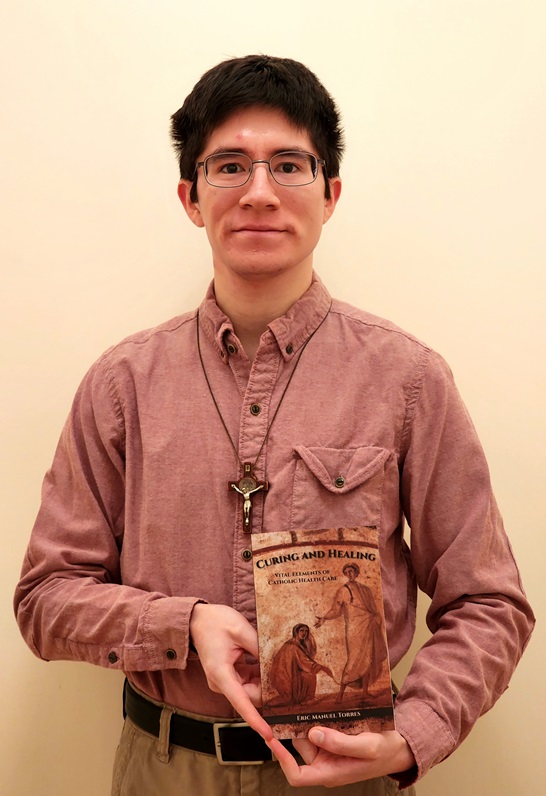 Eric Manuel Torres is a Catholic moral theologian and bioethicist with a background in health care. Based in Melbourne, Australia, he has recently completed a doctorate (PhD) from Catholic Theological College/University of Divinity. He holds a Bachelor of Health Sciences and a Master of Orthoptics from La Trobe University, a Master of Nursing Science from the University of Melbourne, a Graduate Diploma of Theology and a Master of Theological Studies from Catholic Theological College/University of Divinity, and a Graduate Certificate of Specialist Inclusive Education from Deakin University. He also holds a Certificate III in Business Administration. Moreover, Dr. Torres has published a number of articles appearing in several scholarly publications including Homiletic and Pastoral Review and the Journal of Religion and Health.
The page you requested could not be found. Try refining your search, or use the navigation above to locate the post.
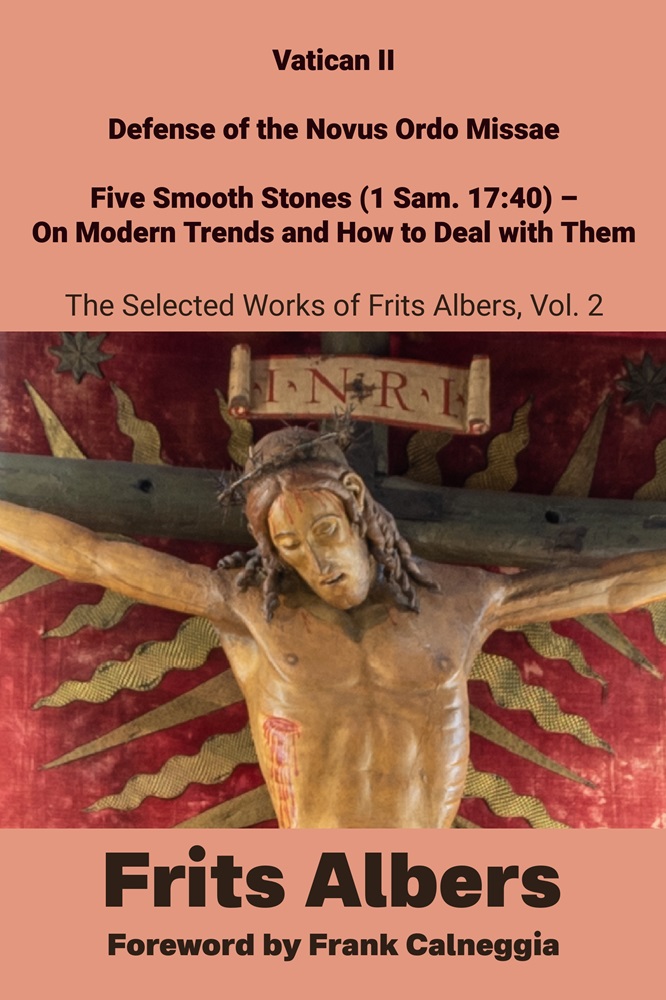
Selected for publication in this second volume of the works of Frits Albers are the following three written in the 1970s.
A principal reason for publishing anew these books written almost fifty years ago can be gathered from the author’s own words taken from his Vatican II.
“It is from our era, and from the Church of our era, still so close to us, that we must wrestle to partly unlock the mystique contained in the very essence of Vatican II. For our own immediate benefit as well as for the benefit of the Catholics to whom Catholic Tradition must be handed over in its entirety. No doubt Vatican II has a clear message for the Church of the future, but this great Council happened in our time, and future generations of Catholics depend on us – on how well we understood that time. How well our Catholic children will comprehend the past which happens to be our present, depends entirely on us.”
Many of the Catholic children of that era (and now their children also) hold positions of responsibility in society and in the Church. The younger generations of Catholics who were born after Vatican II and the promulgation of the Novus Ordo, if they take to heart the author’s words quoted above, should derive no little profit from the works presented in this volume. May the three works included in this present volume bring instruction, guidance and hope to Catholics in their quest to advance in knowledge and love of holy Mother Church and its life giving Teaching and to dispel the dark clouds of confusion, error and subterfuge they have to deal with in modern day ‘catholic’ environments, and finally to give them sound practical guidance on how to overcome and defeat the real enemy.
Paperback: $19.95 | Kindle: $9.99
This is the second volume of the collected works of Frits Albers. The first volume has been published only recently. The works concerned first appeared as articles dating from as early as the 1970s but with later editions appearing as late as AD 2000.
I have provided a testimonial to the first volume and what I said in it applies to the present works. There are three books that are included in this second volume. Put shortly, the first two are defences of Vatican II and the Novus Order of the Mass, and the third is a guide to how to deal with the threats to the Faith by the controversies surrounding what the changes are, let alone how they are to be interpreted.
As may be expected, Frits Albers has embarked upon quite a task, for as he himself notes in quoting St. Paul, such are the profundity and eternal consequences of the issues involved, we are up against “Principalities and Powers”. However, as I see his effort as a man of strong faith, he is well up to the task. One indication of the pointed truth of what he says may be gathered from the fact that his books have been neglected to be widely published for nigh on 50 years since they appeared at the very time when the theological errors and their related sinful practices were begun to be promoted with an enthusiasm that would be gratifying to their evil originators.
Indeed, such has been the forcefulness of this promotion, reaching even to the highest levels of the religious and hierarchical life of the Church, that their malign influence is today deeper and wider than ever.
The publication of Albers’ works could not be more urgent. His assessment and refutation of the modernist error (presented most insidiously in Teilhard de Chardin’s writings) that underlies the whole push to change the doctrinal basis of Catholic life and practice is so thorough and telling, that it is hard to see how any person of honest disposition, prepared to give him a fair hearing, would not be won over by his clear exposition of the positions of the parties to the controversy and even clearer determination of the issues. There is much in this volume to be digested and we have space to make only one point, hopefully to give the reader some idea of the value of his work.
With regard particularly to the first two books included we need to note a problem of language which is to do with the inability of the modern mind to make distinctions, so that even in ecclesiastical Latin phrases there is a hidden prejudice to taking the word in a sense that favours the modernist position. As is clear from what we observe about his work, Frits Albers is one who has been able to make the distinctions needed to avoid the modernist mind-set that sadly even afflicts “not a few” modern Catholic theologians. (cf. Fides et ratio n. 61)
The problem of language use, or rather misuse, can apply even to words used by popes, such as Pope John XXIII’s use of the Italian aggornimento. Words such as “renew” and “reform” are used constantly in the modern era to close down opposition to the hidden intent or real meaning of “deform” or “destroy”. Even the word “deconstruction” is used openly to imply some sort of constructive change instead of simple destruction.
So too the Latin Novus Ordo is subtly taken to mean the rejection of the old rite. Then, the Magisterium has to go to great lengths to explain the distinction between what in the liturgy is capable of change and what is not. So, as regards the latter, there is no new rite replacing the old. The Novus Ordo has to be the same in essence, or in substance, as the old, or it is not Catholic. Of course, those who are opposed to the “new rite” are keen to find differences of substance.
The Novus Ordo is the same in essence as the one it has replaced and the Mass is the same as it was from the beginning. This problem of preference for taking any change as an essential (or substantial) change is applied throughout. It is applied to the fabricated distinction between Vatican II and “Pre-Vatican II”. Confusion reigns all round, including among “well educated” Catholics at University level.
The Magisterium is occupied constantly in explaining that there is no discontinuity between the teachings of Vatican II and previous doctrinal positions in the long history of Catholic Tradition. One wonders however, with the barrage of loud voices to the contrary, how much effect these magisterial “interventions” have.
A poor education in the use of language and logic (which are intimately connected) hampers the one side of the argument and favours the other (no prizes for guessing which is which).
Without making any criticism of Frits Albers himself, for his intent is clear where he does so, he uses the word “community” in a way that could be problematic. There is nothing wrong with the ordinary meaning of the word itself. Indeed, transferred to the order of grace and the divine it can be used of the Trinity. But, precisely because of its soundness and sacred application, it is used or rather misused in the most profound way in modern political and religious life.
As to the former, it is as if we confused it with Communism, whereby the very notion of civil community is destroyed and citizens brutalized. This misuse has become insinuated even into Catholic thinking (and practice) in most recent times. (The word “synod” can be misused in the same way)
A more appropriate word in the place concerned would in my view be “collective”, for Albers is referring to a grouping where there is no true unity but a kind of herd-like gathering that tries to bully individual Catholics who are deprived of the leadership they deserve. (This is not a condition peculiar to Catholic congregations but is a general condition of modern political life)
It is quite remarkable that Albers picked up this abusive application of the word so early. The malign connotation exploited by them, some clergy were referring to the “parish community” when a good portion of the congregation were losing their faith in central doctrines, especially with regard to sexual morality, and so did not really have unity with those that had kept them. It became almost impossible to use the word in its right sense.
We put this comment then only to show how difficult it is in modernist (which equates with “fashionable” – those people Chesterton called “Thursdayites”) controlled conversations to have any intelligent/ intelligible dialogue at all.
In connection with this we might note that the very word “Thomist” was coming to be given a fabricated connotation that suited the modernist climate of thought, and used as opposed in some way to a less “rigid” Catholic Franciscan sentiment. This is very subtle in that it is designed to undermine the unity of mind and spirit that existed (and still exists in Heaven) in relation to the two great saints, when it might apply to some of their not so holy or learned followers. Read the two wonderful books of Chesterton on the saints to get the balanced view of their holy relationship.
Despite the linguistic difficulty, which all the faithful have to contend with, this collection of books of Frits Albers is powerful in all respects and one can only pray that it reaches the audience that needs it, which is all of us today.
— Dr. Donald G. Boland, author of Rev. Fr. Austin M. Woodbury, SM, PhD, STD and the Aquinas Academy (1945 – 1975); also see his Compendium
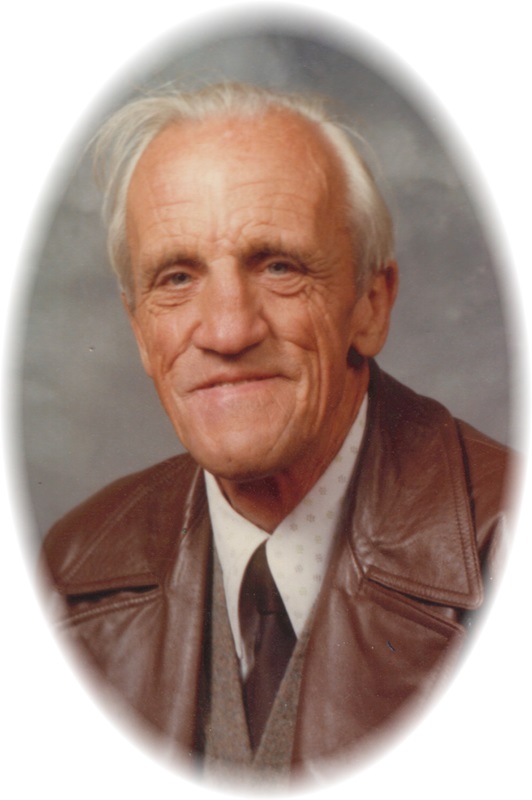
Frits Albers Ph. B (1921-2000) was born in Holland and studied under the Jesuits at Nijmegen during the 1940s. He emigrated to Australia in 1951, and travelled extensively within the south-east region of the ‘lucky country’. He joined the Department of Education in Victoria and worked as a high school teacher who specialised in mathematics, French and English.
In the early post Vatican II period he realised that the strange interpretations of the recently concluded Council that were being forced upon Catholics were under pinned by the same philosophy he had been taught in the 1940’s by the Jesuits at Nijmegen in the name of St Thomas Aquinas, but which in reality was the systematic Modernism of Pierre Teilhard De Chardin, S.J. Thus, in the early 1970’s he began writing articles and books to expose the philosophical root of these errors and aberrations of Teilhard De Chardin, and to defend Catholic Faith, clear thinking, and right philosophy.
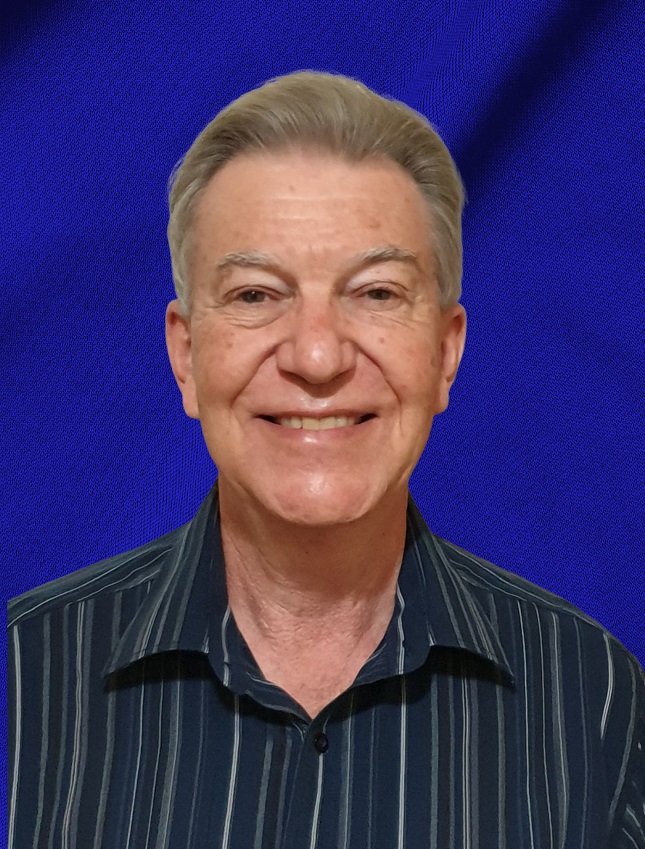
The editor is a retired electrical engineer who worked for most of his professional career in the specialist area of power generation. In a sabbatical year, he completed post graduate research in the History and Philosophy of Science at the University of Melbourne. He has long loved the philosophy of St Thomas Aquinas.
The page you requested could not be found. Try refining your search, or use the navigation above to locate the post.
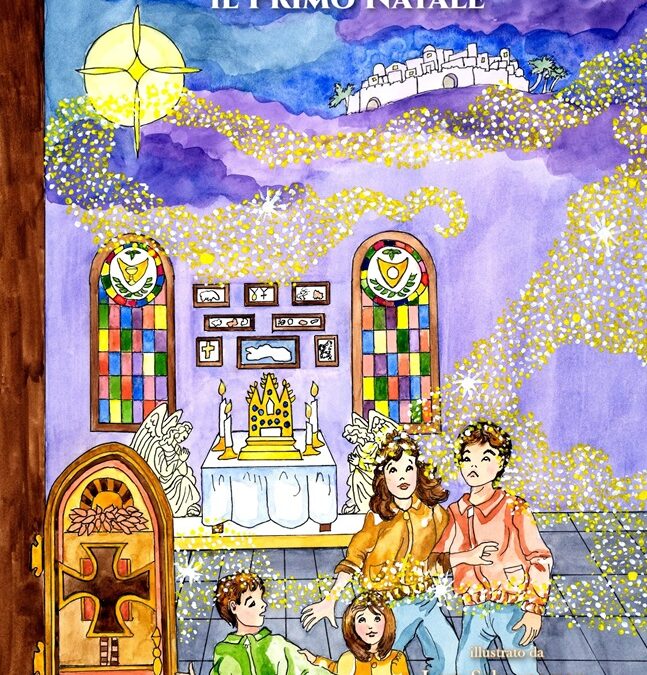
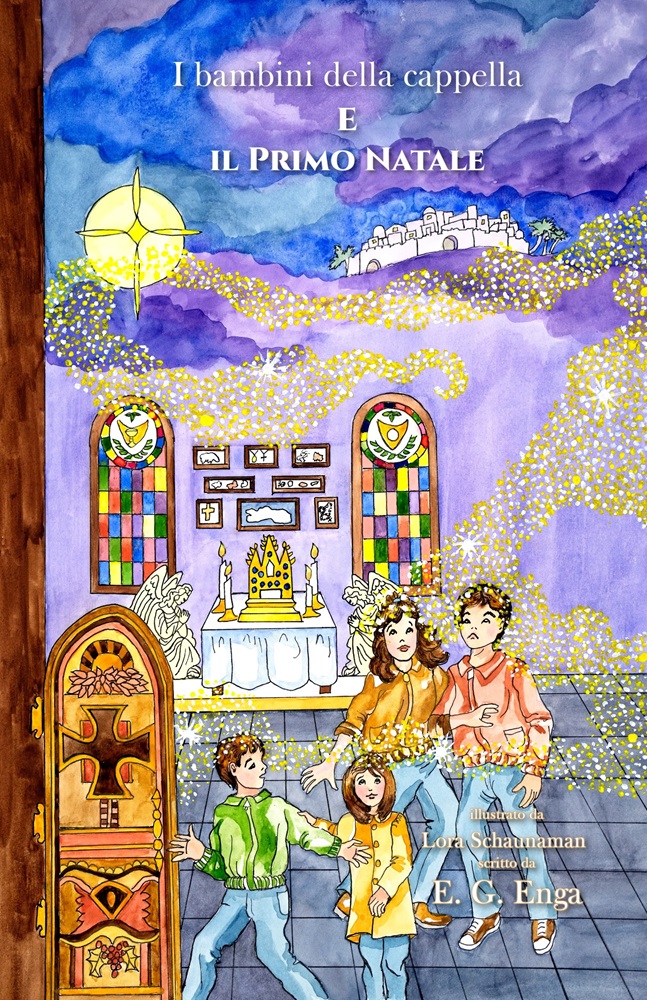
Quando Miriam, Joseph, John Paul e Zelia Langford trovano una porta segreta nella loro chiesa parrocchiale, vanno subito ad esplorarla. Aprendo la porta magica, si rendono conto che non conduce a una stanza qualsiasi, ma a una misteriosa cappella piena di antiche reliquie. Quando la cappella li conduce in un viaggio mistico in Terra Santa che separa i fratelli, riusciranno a ritrovarsi? E riusciranno a tornare a casa?
In brossura $12.95 | Kindle $9.99
“I bambini della cappella e il primo Natale” è un racconto affascinante e una lettura adatta a tutte le età, che sicuramente porterà immagini sane e devozioni nelle giornate dei bambini.Emily Enga avvicina la Sacra Famiglia alla realtà, ricordando al lettore che anche questa è la nostra famiglia santa e adottiva, che si prende cura di ciascuno di noi e gode con noi anche delle più piccole benedizioni.”– Thérèse Judeana, autrice della trilogia Ransom:Shadow of an Empire (libro 1: Cross of Secrets, libro 2: Trial By Time e libro 3: Shards of Crystal).
“Emily Enga condivide una deliziosa storia natalizia di viaggi nel tempo e miracoli che sarà amata da grandi e piccini!I bambini della cappella e il primo Natale fa rivivere tutti i personaggi della tradizione natalizia, incoraggiandoci a stare vicino alla Sacra Famiglia come Miriam, Giuseppe, Giovanni Paolo e Zelia.” – Grace Bourget, autrice di Vale of Hope, Ad Maré: Song of the Pleiades, Light of Faith: Poems and Plays
“I bambini della cappella e il primo Natale” di E. G. Enga è un racconto vivace di quattro fratelli che, in stile Narnia, entrano in un mondo magico, viaggiando indietro nel tempo fino alla nascita di Gesù e al nostro essere cristiani. La signorina Enga crea fratelli credibili che si prendono cura l’uno dell’altro. Ha il dono dei dettagli descrittivi: il mercato, i vestiti colorati, i nuovi amici, Simeone nel tempio, i cammelli e la sfilata dei Magi. Questa storia ha un’aura giovane e fresca che non dimenticherò presto. Il mondo non sarà più lo stesso e i fratelli lo sanno. L’incontro con il bambino che cambierà il nostro mondo è trattato con la delicatezza e la delicatezza che Lui intendeva: un Re, ma nato da genitori poveri; le scene dell’incontro con la Sacra Famiglia sono toccanti nella loro freschezza e adorazione”. – Cynthia Linkas, autrice del romanzo VOWS e di Tumbled Time, A book of poems (Aldrich Press, 2020).
Da bambina, niente rendeva E. G. Enga più felice che farsi leggere dai genitori. Prima di compiere due anni, ha imparato a leggere da sola e da allora ama tutto ciò che ha a che fare con la letteratura.All’asilo e in prima elementare si è innamorata della scrittura di storie e poesie.All’età di 12 anni ha scritto il suo primo libro pubblicato, The Children of the Chapel and the First Christmas, combinando l’amore per la fede e la letteratura nella sua scrittura.Vive nel Midwest con i genitori, i fratelli e il cane Daisy, Paddington (il vero Teddy). Da grande vuole riempire la sua casa di libri, trapunte e tende di pizzo e spera di continuare a scrivere libri per bambini.
The page you requested could not be found. Try refining your search, or use the navigation above to locate the post.
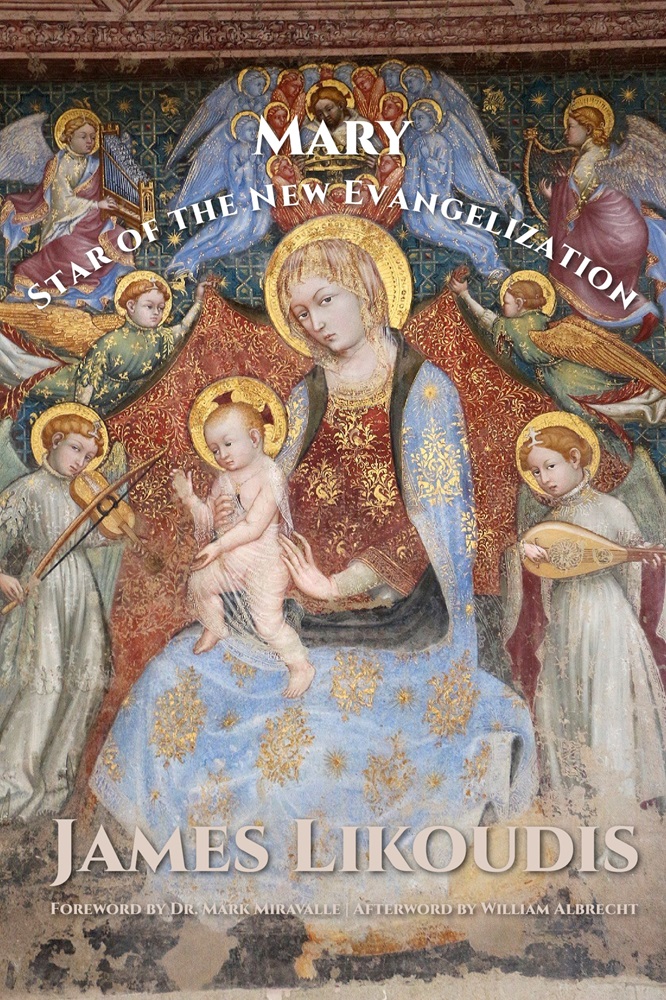
This anthology of Dr. James Likoudis’s essays in Mariology, entitled Mary, Star of the New Evangelization, offers readers a comprehensive look into the teachings and beliefs of the Catholic Church on one of Her most profound and rich fields of study. Within these pages, Dr. Likoudis establishes a strong foundation for an eventual 5th Marian Dogma, focusing on Mary’s roles as Mediatrix, Co-redemptrix, and Advocate, with an eye toward our separated Eastern brethren, and their understanding of the Mother of God. It is our hope that the conversation around this potential dogma, long delayed due to polemics, can, with the aid offered here, be significantly furthered, and that this aid will also resolve difficulties standing in the way of a long-awaited full reconciliation between East and West.
Paperback: $29.95 | Kindle: $9.99
“In Mary, Star of the New Evangelization, James Likoudis covers many important themes such as Mary’s knowledge of her Son’s divinity, her role in the work of redemption, and her relation to the Church’s evangelizing mission. The main contribution of this volume, however, is its serious engagement with Eastern Orthodox Mariology on topics such as the Immaculate Conception, Mary’s predestination, and her mediation of grace. This book is especially valuable for its exposition of the Mariology of Gregory Palamas (1296–1359) and its examination of the significance of Our Lady of Fatima for the conversion of Russia.” – Robert Fastiggi, PhD, Former President, Mariological Society of America; Member, Theological Commission of the International Marian Association; Corresponding Member, Pontifical Marian Academy
“The special contribution of Mary, Star of the New Evangelization is the insight James Likoudis shares in recognizing that the Blessed Virgin Mary is key to evangelization in the post-modern, secular world. With personal experience as a Greek Orthodox convert to Hellenic Greek Catholicism, as well as years of teaching, Likoudis analyzes Patristic, Magisterial, and Eastern liturgical texts to overcome contemporary confusions about Mary. His book illustrates how “the Church must breathe with both her lungs” (Ut Unum Sint, §54) in sharing our Blessed Mother with a world that does not know her as it should.” – Gloria Falcão Dodd, SThD, Research Professor, International Marian Research Institute, University of Dayton, and President of the Mariological Society of America
“As people are abandoning their Catholic faith for other denominations or no religion at all, Mary, Star of the New Evangelization, presents inspiring light for those who desire to deepen their relationship with God and for those looking for greater hope in the future of the Church. Our Blessed Mother Mary appeared to God’s people in various cultures in times of distress, of great need, in war, and in persecution. She appears from heaven to aid us in our zeal for love of God and serving His people in evangelization that springs forth as an overflow from our relationship with Him. Like a lighthouse with its rays radiating in the darkness, Mary is the guiding light that directs and points us to her son Jesus Christ. Mary, Mother of Hope, comes to console us when we turn to her, and she becomes the Cause of our Joy.” – Angelus Virata, MA, Director of Evangelization, Basilica of the National Shrine of the Assumption of the Blessed Virgin Mary—America’s First Cathedral
“The many Marian contributions of James Likoudis found within Mary, Star of the New Evangelization, edited by his grandson, Andrew Likoudis, may elicit the question: Another book on Our Lady? Yes, happily another book on Our Lady! How fitting that the ever ancient, ever new truths about the Mother of God be considered time and time again. This volume presents a host of Marian topics—for example, the Ever-Virgin’s role in contemporary evangelization, the Immaculate Conception, the Mariology of Gregory Palamas, Mary’s understanding of the Sacred Divinity of her Son (in the words of the esteemed Mariologist, the Reverend Dominic J. Unger, OFM Cap., “not only in His infancy, but at the Annunciation”) and Our Lady of Fatima and the Church’s unity—that will both inform and inspire. A special feature of this book is the discussion of how Mary is viewed by Christian believers in the West and in the East. And Mary, Star of the New Evangelization provides a service to readers by offering the text of Chapter Eight of the Second Vatican Council’s Dogmatic Constitution on the Church Lumen Gentium (November 21, 1964) as well as that of the Apostolic Exhortation Marialis Cultus (February 2, 1974) from Pope Saint Paul VI. There is much about Our Blessed Lady herein that deserves our careful attention.” – Monsignor Charles M. Mangan, JCL, Associate Professor of Theology, Mount Saint Mary’s Seminary, Emmittsburg, Maryland
“The lifetime writings of Mr. James Likoudis constitute a living witness to the fact that an authentic Catholic can at once be entirely Marian, and also entirely ecumenical. Of like witness to the complementary goals of defending the “whole truth about Mary,” and the imperative for Christian Unity as profoundly embodied by Pope St. John Paul the Great, James Likoudis also comprises a contemporary theological and catechetical voice for full Mariological truth, not as an obstacle, but rather as a means to authentic ecumenical unity.” – Mark Miravalle, St. John Paul II Chair of Mariology, Franciscan University of Steubenville; Constance Shifflin-Blum Chair of Mariology, Ave Maria University; President, International Marian Association (From the Foreword)
 A convert from Greek Orthodoxy, James Likoudis is an internationally known apologist, one who has dedicated his life to reconciling his Eastern Orthodox brethren with the Catholic Church Jesus Christ founded. He excels in analyzing the key issues that separate Catholics and Orthodox, including regarding papal and conciliar history, and he cherishes all we hold in common in Christ.
Likoudis served for more than twenty-five years at the lay apostolate Catholics United for the Faith (CUF), including as president. His other books include The Pope, The Council, and The Mass; The Divine Primacy of the Bishop of Rome and Modern Eastern Orthodoxy: Letters to a Greek Orthodox on the Unity of the Church; Eastern Orthodoxy and the See of Peter: A Journey Towards Full Communion; Ending the Byzantine Greek Schism; and Heralds of a Catholic Russia: Twelve Spiritual Pilgrims from Byzantium to Rome. He has written and lectured widely on ecumenism, religious education, liturgy, sex education, family life, and the role of the laity in the Church. He is also a former college instructor in history and government, with over twenty years of teaching experience. Likoudis received an honorary Doctorate of Divinity from Sacred Heart Major Seminary in Detroit (2020). He and his late wife Ruth have six children, thirty-five grandchildren, and forty-five great-grandchildren.
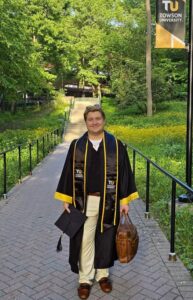
Andrew Likoudis is a Catholic scholar and entrepreneur with degrees in Communication from Towson University and Business Administration from the Community College of Baltimore County. He has served as a fellow in Economic Development at Johns Hopkins University and in Marketing Development with Goldman Sachs’ 10,000 Small Businesses initiative. His professional experience includes a role as a business development administrative assistant at the Cathedral of Mary Our Queen in Baltimore, Maryland. Additionally, he has nearly a decade of experience providing hospitality through hosting with Airbnb.
Currently, Andrew is serving as a full-time summer intern at EWTN, where he writes long-form commentary and analysis for the National Catholic Register, with a particular focus on the post-conclave Church and questions of reform, authority, and ecclesial identity.
Andrew is the founder and president of the Likoudis Legacy Foundation, a research institute dedicated to ecumenism and interreligious dialogue, and serves as editor-in-chief of its journal, The Kydones Review. H
Andrew is a member of the International Marian Association, and an associate member of the Fellowship of Catholic Scholars, the Mariological Society of America, and the Society for Catholic Liturgy. He additionally serves as a young adult community representative on the Lay Pastoral Council of the Archdiocese of Baltimore and is a dedicated parishioner at the Basilica of the National Shrine of the Assumption of the Blessed Virgin Mary, America’s First Cathedral.
Outside of his professional endeavors, Andrew enjoys kayaking, cooking, basketball, dancing bachata, and playing chess.
The page you requested could not be found. Try refining your search, or use the navigation above to locate the post.
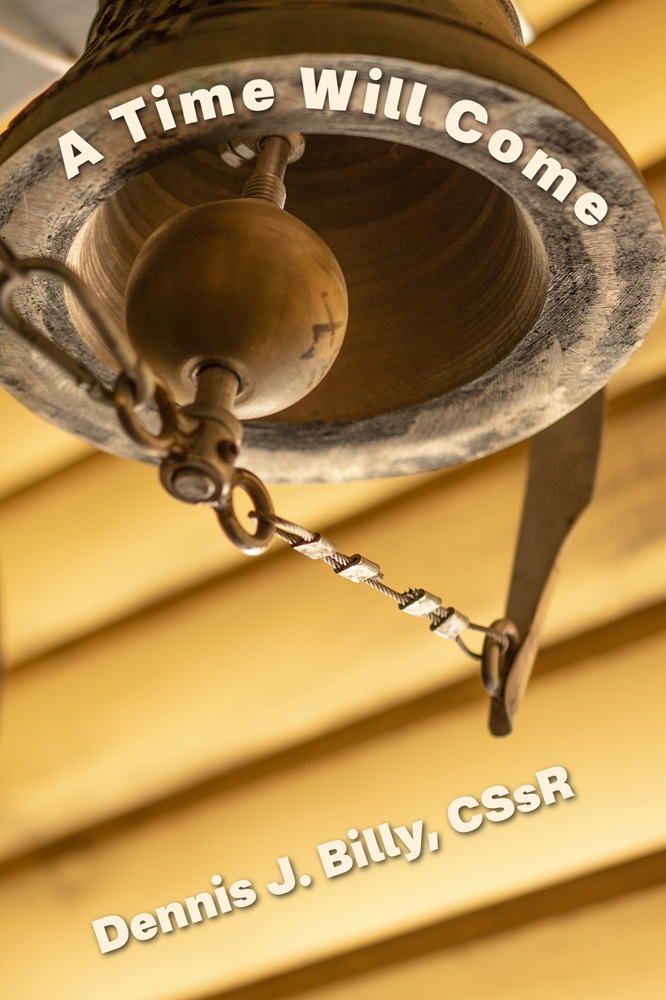
This collection of poems covers a wide variety of themes: light and darkness, life and death, faith and doubt, courage and fear, time and eternity, true self and false self—to name but a few. It is rooted in the Catholic faith and seeks to address questions that arise along the spiritual journey. It is also rooted in the belief that what is most private in human experience is also the most universal. May these poems touch your heart and help you to draw closer to the One who gave you Life and who keeps you in existence from one moment to the next.
Paperback: $14.95 | Kindle: $9.99
TBA
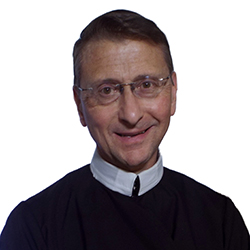
Fr. Dennis J. Billy, C.Ss.R., is Professor Emeritus of the history of moral theology and Christian spirituality at the Alphonsian Academy of the Pontifical Lateran University in Rome and currently serves as The Robert F. Leavitt Distinguished Service Chair in Theology at St. Mary’s Seminary & University in Baltimore. An American Redemptorist of the Baltimore Province, Fr. Billy has advanced degrees from Harvard University, the Pontifical University of St. Thomas (Angelicum), and the Graduate Theological Foundation. The author of numerous books and articles on a variety of religious topics, he is also active in his order’s retreat apostolate and in the ministry of spiritual direction.
The page you requested could not be found. Try refining your search, or use the navigation above to locate the post.