No Results Found
The page you requested could not be found. Try refining your search, or use the navigation above to locate the post.


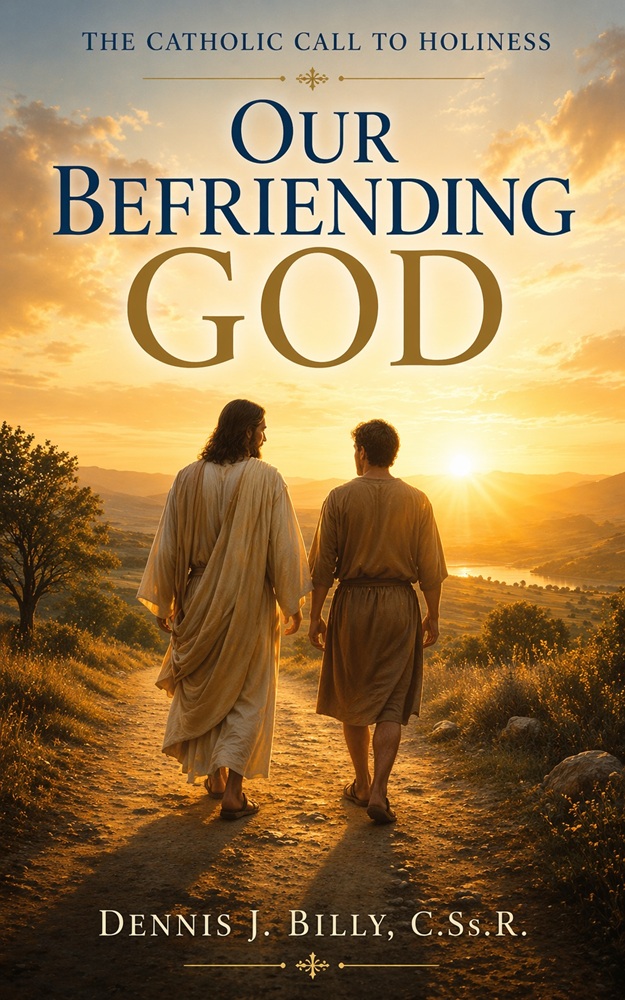
“Fr. Dennis Billy’s Our Befriending God offers a theologically rich and pastorally compelling vision of holiness, inviting readers into authentic friendship with God through prayer, virtue, and a deeply personal encounter with divine love.” – Dr. Sebastian Mahfood, OP, author of The Narrative Spirituality of Dante’s Divine Comedy
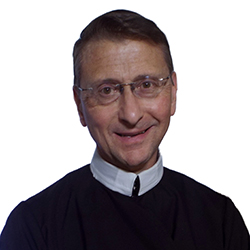
Fr. Dennis J. Billy, C.Ss.R., is Professor Emeritus of the history of moral theology and Christian spirituality at the Alphonsian Academy of the Pontifical Lateran University in Rome and served as The Robert F. Leavitt Distinguished Service Chair in Theology at St. Mary’s Seminary & University in Baltimore. An American Redemptorist of the Baltimore Province, Fr. Billy has advanced degrees from Harvard University, the Pontifical University of St. Thomas (Angelicum), and the Graduate Theological Foundation. The author of numerous books and articles on a variety of religious topics, he is also active in his order’s retreat apostolate and in the ministry of spiritual direction.
The page you requested could not be found. Try refining your search, or use the navigation above to locate the post.

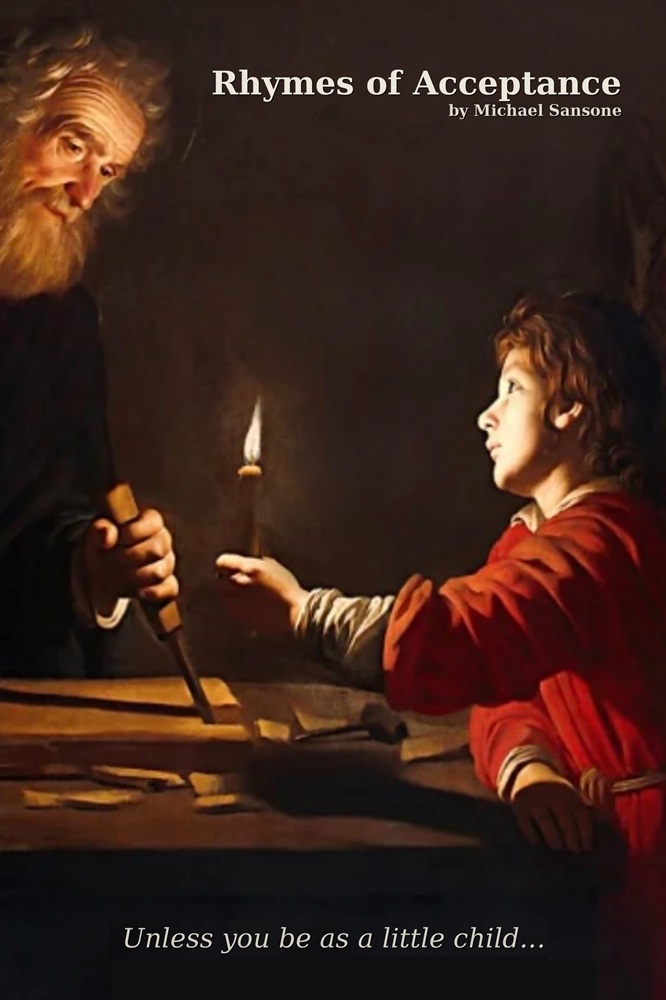
Rhymes of Acceptance is a rare gift — poetry that does not merely describe the spiritual life but enacts it. This compact, powerful collection gives voice to the realization that existence itself is grace, and that Acceptance is not resignation but the creature’s joyous consent to its own eternal grounding in God. The Trinitarian structure that undergirds all authentic contemplative life breathes through every page. The Father’s silent abyss, the Logos as “interior meaning” pulsing through Eucharist and Resurrection, and the Espíritus who draws the poet into the “creative zone” and assures us all that one is ‘never alone.’ With freshness, honesty and grace, Rhymes of Acceptance bears witness to what the mystical tradition has always insisted: that the Spirit transfigures opacity into luminosity, not by removing the darkness, but by revealing the Light that is always already there.” – Fr Philip Krill, Spiritual author promoting a Trinitarian vision of deification and contemplative prayer
“Sansone’s Rhymes of Acceptance is a deeply reflective and spiritually grounded collection, weaving poetic insight with theological resonance, inviting readers into a contemplative encounter with suffering, grace, and the quiet transformation of the soul.” – Dr. Sebastian Mahfood, OP, author of The Narrative Spirituality of Dante’s Divine Comedy
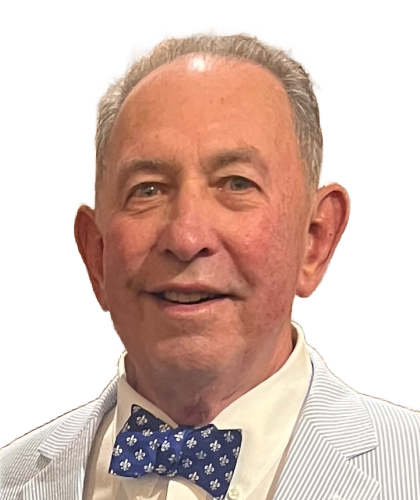 Michael “Mick” Sansone rose from the “School of Hard Knocks” in midtown St. Louis to become the CEO of a thriving family business. His faith journey began in 1975, when a powerful encounter with the Holy Spirit transformed his life and called him to a renewed walk with Christ. Believing deeply that all people are children of God, Michael has spent decades mentoring and supporting individuals from every background. A devoted husband, father, and grandfather, he continues to witness the quiet miracles of daily life—affirming his conviction that Jesus Christ is as present today as He was in the New Testament.
The page you requested could not be found. Try refining your search, or use the navigation above to locate the post.
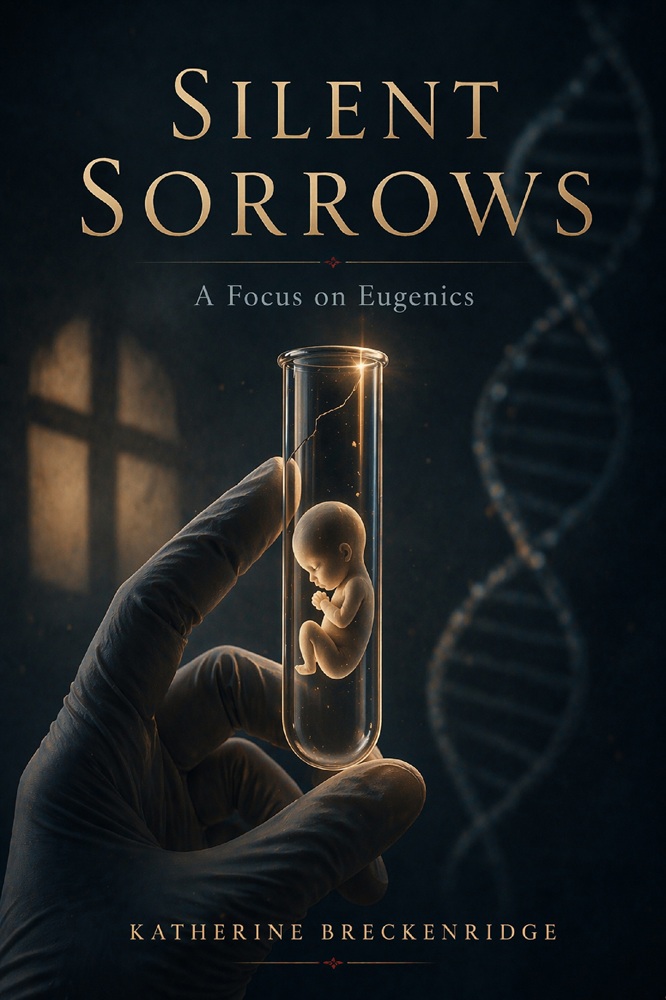
“A penetrating and morally urgent work, Breckenridge exposes the quiet resurgence of eugenic thinking with clarity, conviction, and theological depth, calling readers to recover a vision of human dignity grounded in truth and the divine.” — Dr. Sebastian Mahfood, OP, co-author with Ronda Chervin of Catholic Realism
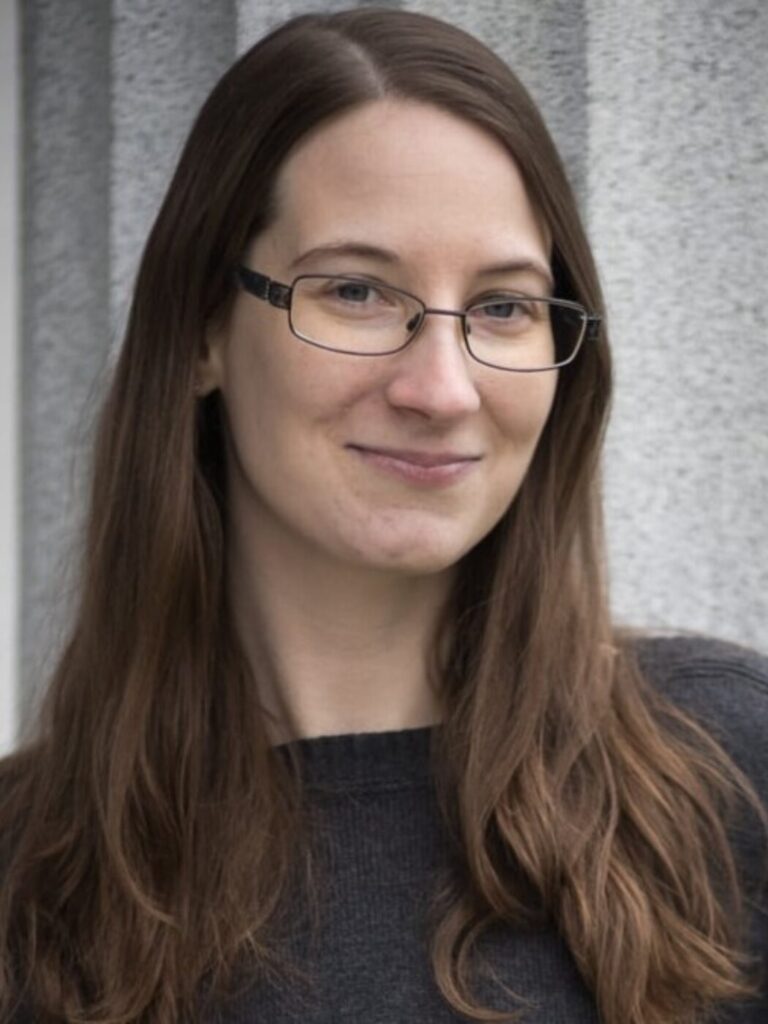 Katherine Breckenridge holds a master’s degree in Mental Health and Wellness with an emphasis in family dynamics, and a second master’s degree in Bioethics. She also holds graduate certificates in trauma-informed practice and Catholic Bioethics. She has worked for the children’s rights organization Them Before Us, for which she wrote extensively, and she has also written for several outlets such as The Federalist, National Catholic Register, Salvo Magazine, Live Action, and Society of St. Sebastian on issues concerning the beginning and end of life, and has had articles published in The Times UK and The Scotsman through her work as a research associate for the Scottish Council on Human Bioethics.
The page you requested could not be found. Try refining your search, or use the navigation above to locate the post.
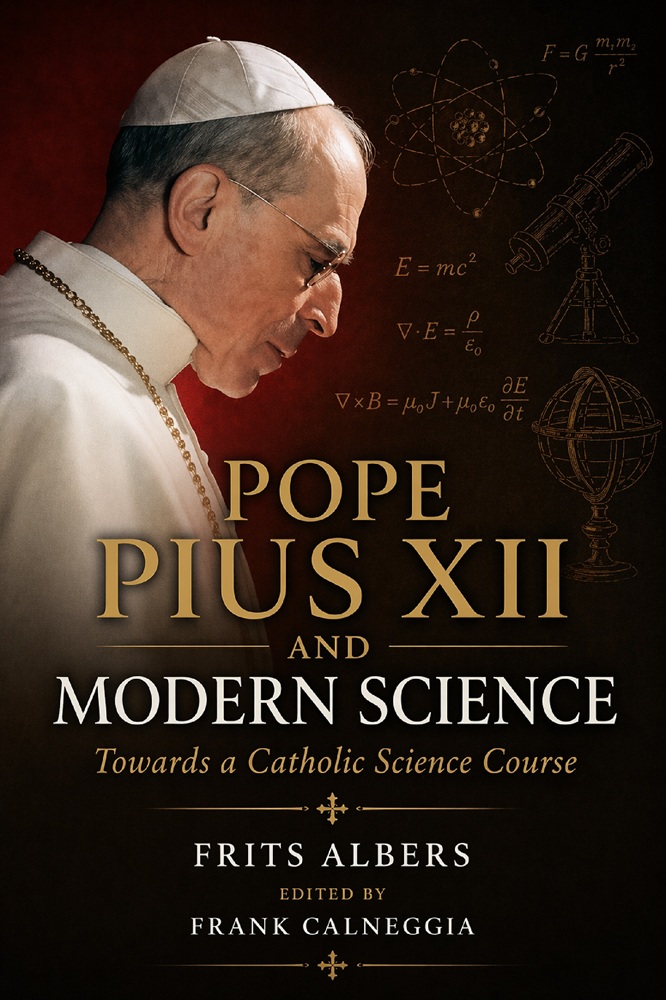
Frits Albers compiled a comprehensive exposition and summary of the principles of science, and philosophy as it pertains to science, taught by His Holiness Pope Pius XII in nine addresses on science and scientific subjects and in one encyclical. The Pope explains the worth and necessity of true science and its rightful place in society, the pitfalls of pseudo-science, and the intellectual and moral obligations of scientists; not only as scientists engaged in highly specialized occupations, but as responsible and mature citizens of a society greatly impacted and formed by their work.
The first principle of the papal synthesis, the one from which all others radiate, is the certitude that true science should lead the scientist to a personal belief in God. This foremost principle and propositions which lead to it as well as those which follow upon it, form the basis for the type of science courses that should be taught in Catholic Schools and Universities.
The author presented his exposition of Papal Teaching in such a way that the principles to follow and the errors to avoid are clearly marked out and separated in successive sections of the book. The blue-print is easy to follow and should give instruction, encouragement and fresh heart to the beleaguered Catholic science teacher or professor.
Paperback: $12.95 | Kindle: $9.99
“Albers’ Pope Pius XII and Science is a rigorous, unapologetically Catholic synthesis that restores the harmony of faith and reason, challenging modern assumptions while inviting scholars to recover a vision of science ordered to truth and God.” – Dr. Sebastian Mahfood, OP, Director, Institute for Theological Encounter with Science and Technology
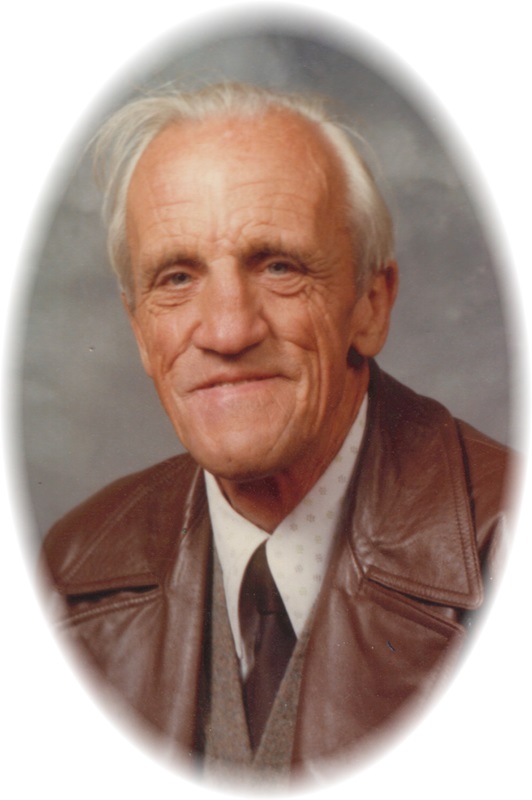
Frits Albers Ph. B (1921-2000) was born in Holland and studied under the Jesuits at Nijmegen during the 1940s. He emigrated to Australia in 1951, and travelled extensively within the south-east region of the ‘lucky country’. He joined the Department of Education in Victoria and worked as a high school teacher who specialised in mathematics, French and English.
In the early post Vatican II period he realised that the strange interpretations of the recently concluded Council that were being forced upon Catholics were under pinned by the same philosophy he had been taught in the 1940’s by the Jesuits at Nijmegen in the name of St Thomas Aquinas, but which in reality was the systematic Modernism of Pierre Teilhard De Chardin, S.J. Thus, in the early 1970’s he began writing articles and books to expose the philosophical root of these errors and aberrations of Teilhard De Chardin, and to defend Catholic Faith, clear thinking, and right philosophy.
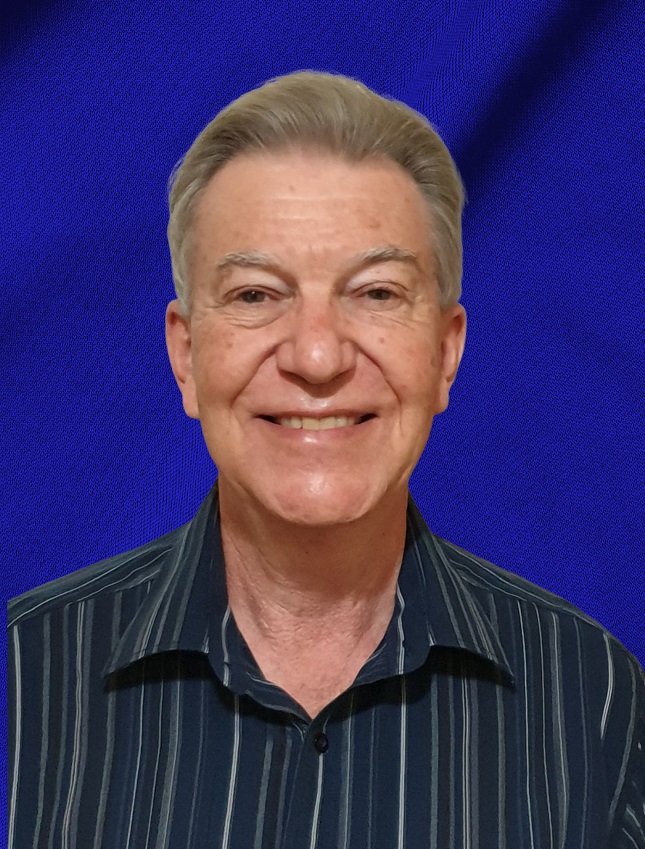
The editor is a retired electrical engineer who worked for most of his professional career in the specialist area of power generation. In a sabbatical year, he completed post graduate research in the History and Philosophy of Science at the University of Melbourne. He has long loved the philosophy of St Thomas Aquinas.
The page you requested could not be found. Try refining your search, or use the navigation above to locate the post.
Matthew Richards studied history at the University of Cambridge and brings 25 years of experience in journalism and professional writing, including as a staff reporter at the Financial Times. He has reviewed fiction for The Irish Times and The Tablet. Active in parish life and charitable work, he lives in London with his wife and their three daughters.
The page you requested could not be found. Try refining your search, or use the navigation above to locate the post.