No Results Found
The page you requested could not be found. Try refining your search, or use the navigation above to locate the post.

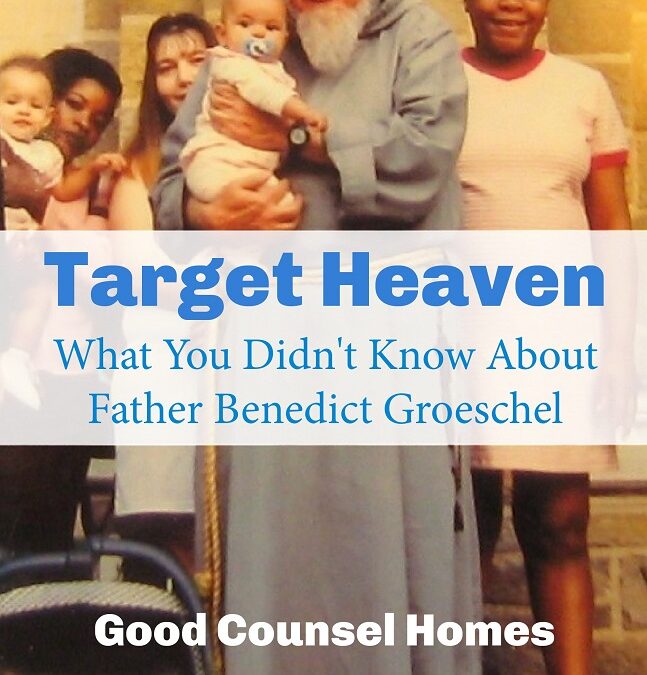

Mother Agnes Mary Donovan, SV, opens this book by proclaiming Fr. Benedict Groeschel a prophet. “Father Benedict has,” she explains, “forcefully proclaimed the Word to the world through his books, his preaching, and through EWTN. He has proclaimed the Word in a thousand ways to all of us who needed hope. He has guarded the Church and the treasures of its grace. We really can’t imagine the millions who have listened to him and who have been blessed.” And with that, this book carries the reader through half a dozen interviews on the life of Fr. Groeschel, including his own testimony, concluding with a statement from his successor, Fr. Fidelis Moscinski, CFR, as Chairman of Good Counsel Homes. A work of grace, by grace-filled people.
Paperback: $19.99 | Kindle: $9.99
“Father Benedict Groeschel brought together the truthful parts of modern psychology with the absolute truths of the Faith. He was a priest counselor of the highest order.” – Dr. Ray Guarendi, Host of EWTN’s “Living Right with Dr. Ray”
“Fr. Benedict Groeschel was a man of deep prayer, steadfast faith and courageous action. He promoted the mission of the Church by responding to the challenges of our age with his unwavering witness to Christ’s truth and love. He loved the poor. He helped those in difficulty. He taught by word and example. His writings and his television programs continue to instruct and inspire. This collection will introduce you to a remarkable Franciscan who was a true priest of God.” – Fr. Gerald E. Murray, Pastor, Holy Family Church, New York, NY, Member of EWTN’s “The Papal Posse”
“I met Father Groeschel in New York City in the mid-1970’s. We hit it off from the start. and he was my sponsor when I officially came into the Catholic Church. We often discussed positive and negative relationships between psychology and the Faith. For me it was rare to meet anyone thinking about such topics at that time – and even rarer to meet someone living such an obviously spiritual and holy life. I think reading about Fr. Groeschel should be a blessing.” – Paul C. Vitz, PhD, Senior Scholar, Divine Mercy University, Psychology Professor Emeritus, New York University
Good Counsel is a nationally recognized nonprofit leader and innovator in creating supportive residential care and community-based services for homeless, expectant, and new mothers and their children in the context of the Catholic social tradition. Pregnant and expectant mothers, with or without other born children, including mothers with mental health or addiction challenges, from any location, are able to receive help in a Good Counsel home.
Good Counsel was founded in 1985, and its outreach program continues to this day. Good Counsel now has four homes: three in the New York State counties of the Bronx, Richmond (Staten Island), and Rockland; and in New Jersey’s Burlington County (just outside Camden and very near Philadelphia).
For more on Good Counsel Homes, visit their website at https://www.goodcounselhomes.org/
The page you requested could not be found. Try refining your search, or use the navigation above to locate the post.
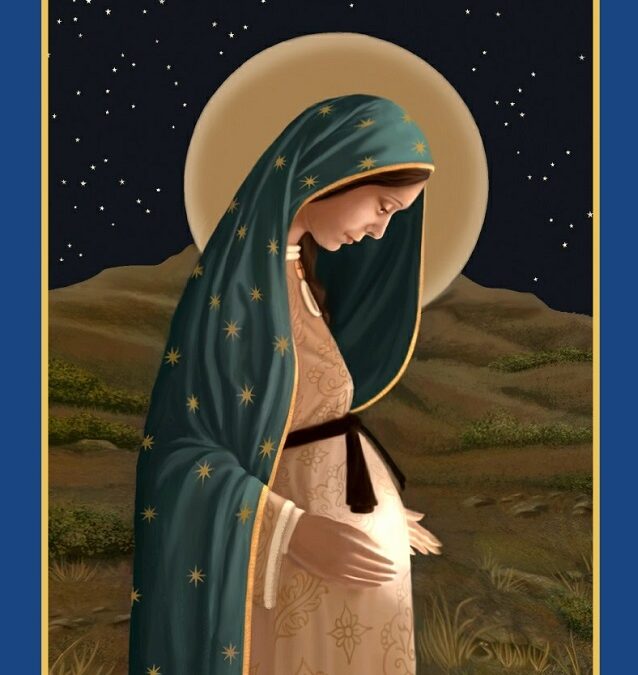
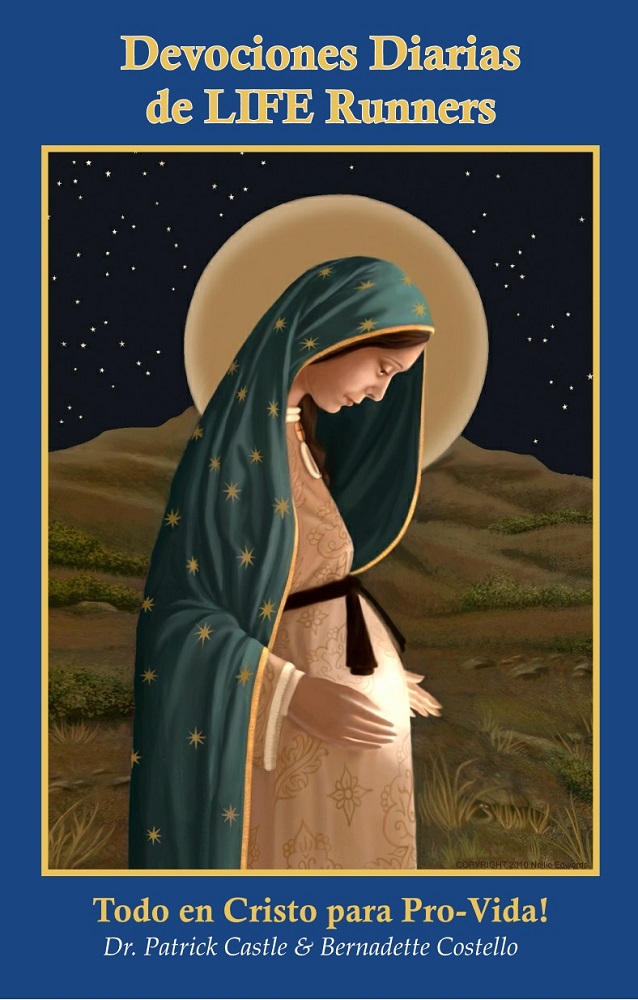
¡DIOS primero, VIDA siempre, EQUIPO para siempre!
Corredores de VIDA es el equipo Pro-Vida más grande del mundo, correr es opcional, se requiere camiseta y se necesita fe. Nos alimentan las oraciones y devociones. Impactamos corazones y mentes por salvar vidas con nuestras camisetas “RECUERDA a los no nacidos”.
¡Todo en Cristo para Pro-Vida!
LIbro en Rústica: $19.95 | Kindle: $9.99
“Cuando se amplía, puede ver que el cigoto, nuestra primera célula en la concepción, parece como una hostia de comunión, la Eucaristía, el Cuerpo de Cristo. La corona radiata que rodea la celda es como una custodia, el recipiente que contiene la Eucaristía”. ~ El Dr. Patrick Castle (Enero 23)
“Si no crucificamos nuestra carne con sus pasiones y deseos, nuestros deseos carnales crucificarán nuestra mente”. ~ El Dr. Rich Reich (Jul 28)
“Cuando nos intimida el tamaño de la tarea y somos muy conscientes de nuestras limitaciones, somos llamados, como David, a correr riesgos con las herramientas que Dios nos ha dado”. ~ Jeanne Mancini (Jan 10)
“Consideremos entonces cómo podemos estimularnos unos a otros hacia el amor y la vida. Amemos, no de palabra o discurso, sino de verdad y acción”. ~ Paul Westendorf (Mar 6)
“Debemos intensificar nuestras oraciones y ayuno por un nuevo nacimiento de libertad para que la vida y la libertad sean otorgadas para todos, nacidos y no nacidos”. ~ Bishop Robert Gruss (Mar 28)
“Esta es una gran herramienta para los que buscan volverse más devotos en su fe. Soy uno de los 108 autores. Con una cita bíblica, una reflexión y un reto para el día, este devocional le ayudará a estar más dedicado a la cultura de la vida” – Obispo Thomas John Paprocki, Diócesis de Springfield, Illinois
“Dedique solo un minuto todos los días a los devocionales escritos por Life Runners del mundo entero. Soy uno de los autores, junto con mamás y papás, atletas y caminantes, clérigos y laicos, estudiantes y maestros, personas en todas las fases de la vida que comparten la pasión por defender a los niños no nacidos.” – Obispo Joseph Coffey, Arquidiócesis para los Servicios Militares
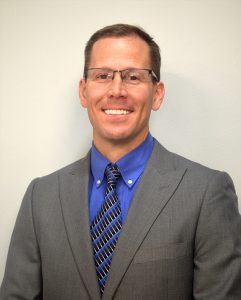
Dr. Pat Castle es el fundador de LIFE Runners, el equipo Pro-Vida más grande del mundo, con más de 20,500 compañeros de equipo que usan camisetas de “REMEMBER The Unborn” como testigos públicos en 3,367 ciudades. Pat es una fuerza inspiradora y unificadora para Pro-Vida a través de la fe, el activismo y la educación. Recibió el Premio de la Unidad Cristiana de la Fundación Springtime y formó parte de la película Unplanned. Pat tuvo un encuentro con St. Padre Pio mientras corría en el Pikes Peak Ascent y tambien llevó una bandera de “REMEMBER The Unborn” a la cima del Monte Kilimanjaro. Fue cofundador del evento Law of Life Summit y el evento anual A-Cross America Relay que es el evento Pro-Vida más grande en los Estados Unidos. Pat ha servido como presidente de un centro de ayuda para mujeres embarazadas y enseña alcance público en las aceras de centros de aborto. Completó el Instituto Vita de la universidad de Notre Dame y está en el cuarto nivel de los Caballeros de Colon. Pat ha dirigido retiros juveniles y RICA (Rito de Iniciación Cristiana para Adultos). Creció en Sioux Falls y se graduó de la Academia de la Fuerza Aérea. Pat obtuvo un doctorado en química nano-analítica de la Universidad de Illinois y es Miembro de la Junta Directiva del Instituto para el Encuentro Teológico con la Ciencia y la Tecnología. Hizo diez asignaciones militares, incluyendo el oficial de defensa de armas de destrucción masiva en la base más cercana a Osama bin Laden en el 11 de Septiembre. Mientras era profesor de química de la Academia de la Fuerza Aérea, Pat desarrolló el plan de estudios de ética y entrenó al equipo de maratónes. Corrió 24 maratones, destacándose en los maratones de: Marine Corps (2:53), Boston (2:59), Pikes Peak (17º), Great Wall (2º). También es maestro en el campus de Omaha de Encounter School of Ministry. Ha recaudado más de $ 5 millones para ayudar a terminar con el aborto. Pat habla en todo los Estados Unidos. Compre el libro Devocionales Diarios para estar Todos en Cristo para Pro–Vida! pat@liferunners.org
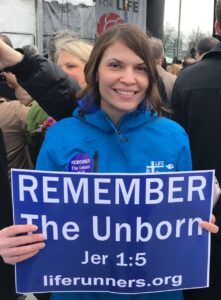
Bernadette Costello (2020): Directora de Operaciones. “Mi mamá concibió 22 hijos (perdio 6). Después de dar a luz a su quinto hijo, el médico intentó realizar una histerectomía sin su permiso. Mi mamá se despertó y detuvo al médico. Alabado sea Dios por su postura heroica, ya que yo era su hijo numero 12. Gracias al ejemplo de mi madre, sé que la lucha para acabar con el aborto es el tema mas importante de todos los tiempos”. Bernadette sirve como coordinadora parroquial de Respect Life y comenzó un grupo de apoyo Embrace Grace para mujeres que tienen embarazos no planeados. Bernadette hace alcance publico en las aceras, reza y ofrece ayuda a las mujeres que llegan al centro de abortos de Carhart. Bernadette y sus hijos sirven comida para personas sin hogar en el refugio de Sienna Francis Homeless Shelter. Ella está en el equipo ejecutivo de Ablaze, un ministerio de alabanza y adoración. También es miembro de la facultad en el campus de Omaha de Encounter School of Ministry “Es un privilegio y una bendición servir a Dios con LIFE Runners. ¡Todos en Cristo para Pro-Vida!” bernadette@liferunners.org
The page you requested could not be found. Try refining your search, or use the navigation above to locate the post.

Whoever can make a recording of this hymn, please do so, and we’ll share it with the world!
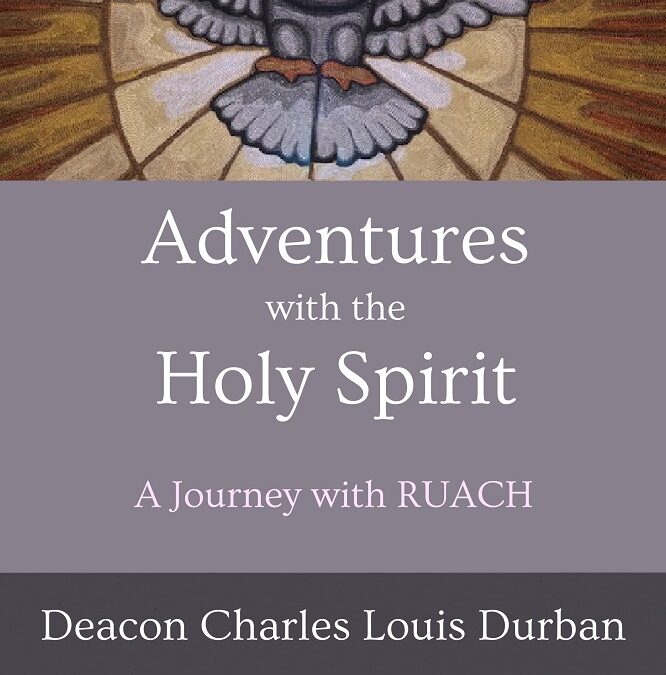
This book is dedicated to and is about the merciful and at times semi-miraculous consolations and interventions of the Holy Spirit, without which neither this book nor perhaps even the author would still be traversing the crooked path that God weaves through our broken but redeemed human lives. In short, it is a memoir of how the Holy Spirit pursues and protects us in our spiritual journey of life. It is a journey most easily viewed in the rear-view mirror.
Paperback $14.95 | Kindle $9.99
“Charlie’s book, Adventures with the Holy Spirit, illustrates how the Holy Spirit is alive and active in our lives.” – Carol Hess, parishioner, Incarnate Word Parish, St. Louis, MO
“In Adventures with the Holy Spirit, Deacon Charles Durban recounts numerous surprise experiences of being saved from disappointment or disaster by a mysterious presence in his life which he calls the saving work of Ruach, or the Holy Spirit. For even the casual reader these incidents will trigger memories which will now have a far deeper meaning because of a ‘Presence’ which is now recognized for the first time. ‘There is Someone with me and He is taking me to a place with a new purpose and a new meaning.’ I hope you enjoy the adventure!” – Bishop Robert J. Hermann, author of Come Alive in Jesus! Solemn Novena to Our Lady of Mount Carmel
“Using his own life journey in the Spirit, Deacon Charlie Durban offers his readers a possible template for looking at the manifestations of God’s abiding presence in the reader’s life experience. This can be a great tool for individual faith exploration or a group study approach. Read the whole book and discern how it might relate to your own story.” – Deacon J. Gerard Quinn, J.C.L.
“What we learn through another’s journey can enhance our own recognition of the influences in our own journey. I have been fortunate to journey in a professional career with Charlie for 40 years. Together, we have shared our faith experiences, discussed our differences, and agreed that God is present in our lives. In Adventures with the Holy Spirit, Charlie provides insight and a template for us to examine our journey and to recognize that the paths opened to us and traveled are influenced by the presence of the Holy Spirit. As you read this life journey, I encourage you to stop at the end of each chapter and reflect on your own journey as I did. Consider where has the Holy Spirit made its presence known for you at various times in your life journey? By traveling with Charlie, you will awaken to what you hadn’t perceived and in turn see God’s Presence through the Holy Spirit in your journey. A wise man once told me, ‘We are all here to walk each other down the path to the end.’ The experiences that Charlie has shared show us that we are not walking that path alone.” – W. Dennis Derr, Ed.D., LPC, author of Building Personal Resiliency; A Simple Book of Practice for Living a Life of Resiliency
“At times laugh-out-loud funny and achingly sad, Adventures with the Holy Spirit is a spiritual Odyssey with a deeply personal edge. Deacon Charlie Durban has distilled the wisdom of a full and fascinating life in prose that is both eloquent and conversational. Tag along with Ruach (spoiler alert: Ruach is Hebrew for Holy Spirit) and your own adventures will take on that much more meaning.” – J. Augustine Wetta, O.S.B., Saint Louis Abbey, author of Humility Rules and The Eighth Arrow
“Charlie Durban’s engaging personal testimony encourages us to look for the hidden patterns in our own lives, the times in which the Holy Spirit is working even when we don’t recognize it. I enjoyed Adventures with the Holy Spirit and the contemplation it inspired. The author recounts a variety of God-incidences in his life, ranging from the simple to the remarkable, from both before he realized God was pursing him and later after he consciously began seeking to follow God. His stories offer ideas for how we can spot the workings of the Holy Spirit in our own lives. For Charlie, the progression of small miracles in his life resurrected his faith and led eventually to discerning his vocation as a deacon. From Charlie’s ‘yes’ flowed many graces. Major setbacks turned into new opportunities. His deeply personal testimony about the workings of the Holy Spirit in his daily life, as well as his reflections on faith, hope, charity, and gratitude, impart light to others on their faith journeys.” – Lynda Rozell, author of Journeys with a Tin Can Pilgrim (St. John’s Press, 2021), In Plain Sight Hidden (St. Bona’s Press, 2022)
“Deacon Charles Durban addresses often overlooked contributions the invisible Holy Spirit dispenses constantly in the course of our lives. His desperately necessary message to a culture caught in the misbelief all predicaments can be assuaged through recourse to relativism or scientism, is constructed upon personally experienced, inexplicable, beneficial events which should encourage in the reader, a practice of confidently asking the Holy Spirit to intercede in our daily challenges. All will benefit from perusing this concise, yet well substantiated narratives that rekindles a trusting Faith in God.” – Joseph J. Hurley, M.D., author of the forthcoming book about El Camino, Why are you walking?
“Charles Durban writes with honesty and inclusivity about his journey to find his most confident and spiritual self. Even if Durban’s journey to find the Spirit in his life doesn’t parallel your own, the book reflects a life fully lived with an open heart and will help any reader begin to clarify the meaning of faith in their own life. With professionalism and a sense of humor, Durban invites the reader into a complicated and blessed life.” – Rachel Eve Moulton, author of Tinfoil Butterfly
“Although I was Deacon Charlie’s spiritual director for a 30-day Ignatian silent retreat at the Sacred Heart Jesuit Retreat House in Sedalia, CO., I really had no idea what I would encounter in his “Adventures with the Holy Spirit”. I set aside portions of two back-to-back afternoons and read the book. It is excellent! Charlie is a very good writer. I found it an easy and pleasurable read. Adventures highlights the finding and experiencing of God in the everyday experiences of an ordinary life—which, indeed, makes the life extraordinary. I can imagine this book to be a very positive read for many Christians.” – Fr. E. Edward Kinerk, S.J., Director, Sacred Heart Jesuit Retreat House and former President of Rockhurst University
“What a grace I have enjoyed to have personally heard many of the stories Charlie recounts of his adventures with his ever-present companion, Ruach. I wish I could capture for you his wonder as he would bring each story to life. His awe was always contagious. Let Charlie’s stories inspire you to find Ruach in your life and believe.” Susanne Harvath, Ph.D., author of The Augustine Way Workbook

Deacon Charlie Durban has served St. Anselm parish in St. Louis, MO, for 15 years. His professional life of 50 years included mental health programs in Florida, Pennsylvania, and Missouri; and, Employee Assistance Programs (EAPs) regionally, nationally and internationally. His parish assignments included Assistant to the Pastor and Director of Liturgy. He served for 5 years as Assistant Director of Psychological and Counseling Services at Kenrick Glennon seminary. Somewhat retired, he remains very active leading men’s prayer groups, St. Vincent de Paul conference, Kairos prison ministry, and a variety of parish assignments. He and his wife Penny co-teach Counseling Skills to the men in deacon formation and several classes of the Archdiocesan Spiritual Direction program. He is also an Army veteran, serving at the Pentagon and one year in Vietnam. Along with his professional training and education, Deacon Charlie has also completed the two-year professional certification in Spiritual Direction at the Aquinas Institute of Theology in St. Louis, MO. Semi-retirement has increased his hopes of getting out once a week for 18 holes of golf, usually with a variety of results. Fortunately, his parish golfing buddies are generous with their “gimmes” on the greens. He and his wife Penny eagerly await the grace of grandchildren and further “adventures”.
The page you requested could not be found. Try refining your search, or use the navigation above to locate the post.


This book endeavors to engage the reader in a qualitative understanding of physics basic to quantum mechanics (QM — wave motion, momentum, work, and energy) by walking the reader through how the field developed historically by scientists Planck, Einstein, DeBroglie, Heisenberg, Schrodinger, Schwinger, Feynman, and Bell. The reader will come to appreciate the strangeness of basic QM concepts (superposition, the EPR paradox, entanglement, and measurement selection) and be able to view intersections of QM with theology (superposition and the Trinity, entanglement and Divine Action, many worlds/minds and Free Will, quantum logic and Resurrection).
Nook: $9.99
TBA
 Bob Kurland is a retired, cranky, old physicist who converted to Catholicism in 1995. He is a Graduate of Caltech (BS, with honor, 1951), Harvard (M.S. 1953, Physics; Ph.D. 1956, Chemical Physics), academic career, Carnegie-Mellon, SUNY/AB, MRI (Geisinger), best scientific work: search Kurland-McGarvey equation. He also served as a volunteer to federal prison and hospital; lector, EOMHC, and is a sometime player of bass clarinet, alto clarinet, clarinet, bass, tenor bowed psaltery for parish instrumental group and local folk group. He has been married 54 years and has 5 children, 11 grandchildren (eldest to graduate from Penn State Schreyer’s Honor College (grandfathers are allowed to brag!). For the story of his conversion, click here. For other blog posts about his faith as a convert from Judaism and a scientist, see here, here and here. His current effort is to show that there is no contradiction between what science tells us about the world and our Catholic faith. Intermittent blogs and adult education classes to achieve this end are available at http://rationalcatholic.blogspot.com/ and http://home.ptd.net/~rkurland)
Bob’s motivation comes from St. Augustine of Hippo, who wrote in The Trinity, 1.8:
It is also necessary may God grant it that in providing others with books to read I myself should make progress, and that in trying to answer their questions I myself should find what I am seeking. Therefore at the command of God our Lord and with his help, I have undertaken not so much to discourse with authority on matters known to me as to know them better by discoursing devoutly of them.
The page you requested could not be found. Try refining your search, or use the navigation above to locate the post.
Kindle – Full Color: $9.99
Paperback – Full Color: $14.95
Hardback – Full Color, Case Laminate: $19.95
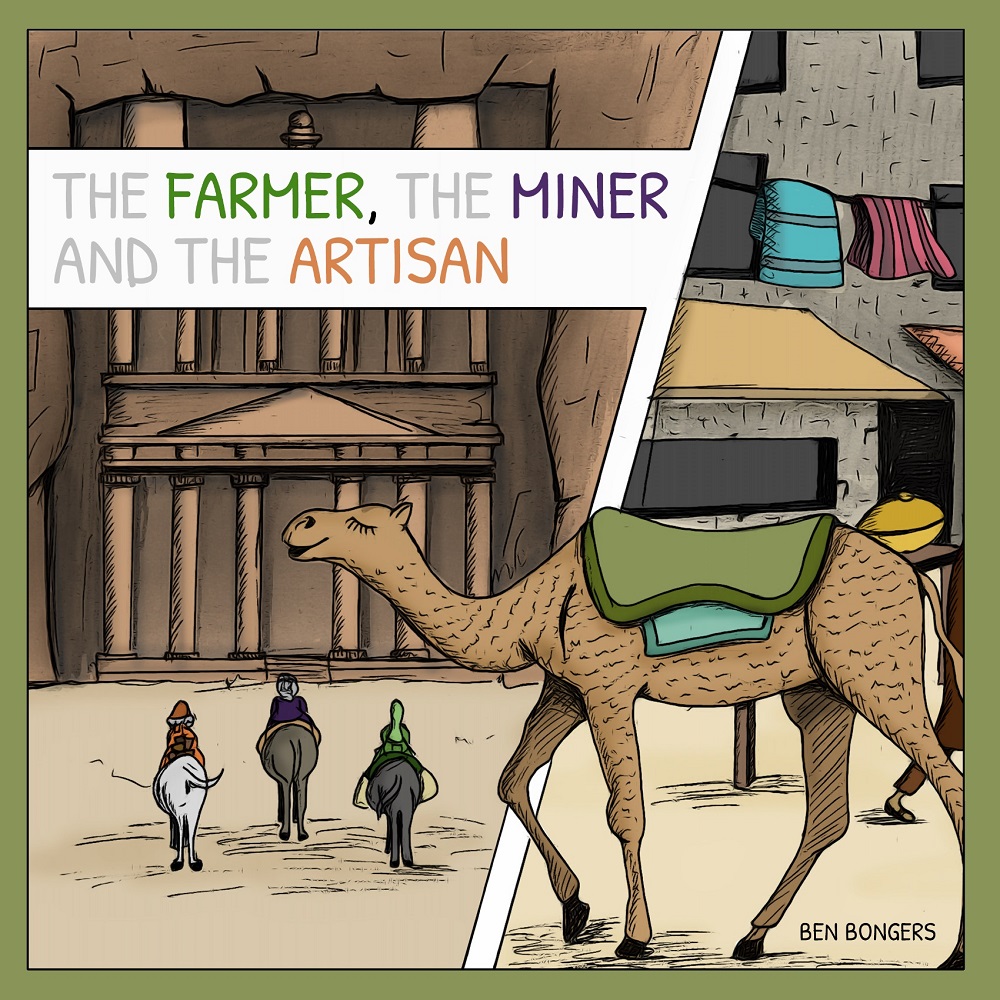
“The Farmer, the Minor, and the Artisan helped me a lot to prepare for Christmas. Thank you for giving me this opportunity! May Jesus and Mary accompany you and your family in your journey to Bethlehem!” – Fr. Michel Legault, MSA, translator of the French edition
“I am honored to be one of the first people to read what will become a true children’s classic. The Farmer, the Miner, and the Artisan by Benjamin Bongers is the heartwarming tale of three people from different backgrounds who come together to support humanity and honor a new king. The book shows that true humility and service will always lead to the one true king. The classic artwork and engaging story will capture children’s imaginations and brighten their holiday season.” — Christopher Barker, Vice-Principal, Ruskin High School, Kansas City, MO
“The Farmer, the Miner, and the Artisan is a must read for anyone who celebrates Christmas and Epiphany! With its an intricately woven tale and amazing illustrations, the reader will see the importance of each person’s own gifts during the holiday season. The story takes the reader through the Markets of Petra, to Jerusalem, and on to Bethlehem. The reader will enjoy how the travelers meet with the Magi and give the ultimate gifts at the conclusion to the story, themselves.” –– Mary Orth, 5th grade teacher, All Saints Academy – St. Cloud
“Set in a simple and evocative visual world created by Courtney Boatwright reminiscent of Cartoon Saloon’s THE BREADWINNER, Ben gives us a new twist on the story of the Nativity in which normal people come together, just quietly, and give all they have in order to help strangers in need. A charming and thought-provoking addition to Christmas literature, this will appeal to children and adults alike.” — Linda Ade Brand, Stage Director
“Kindness is the gift that each of us can afford to give! This story shares that premise through the anticipated arrival of the ultimate gift, Jesus. The vibrant characters help the reader understand how simple, intrinsic kindnesses can motivate feelings of love and well-being toward others via a ‘caring circle’ of events! Goodwill has never been shared more appropriately!” – Linda Steinman, Kindergarten Teacher

Ben Bongers was an international operatic tenor and sommelier for 30 years based in San Francisco, CA, and Germany and is now a Gerontologist. He has written for trade magazines in wine, singing, and is published in eldercare textbooks. Ben is currently studying for the Permanent Diaconate in Kansas City, MO, and is a Knight of Magisterial Grace in the Order of Malta. His first novel, The Saint Nicholas Society, and his book of short stories, True Love, were published by En Route Books and Media in 2022.
 Courtney Boatwright is a Chicago-based graphic artist and designer. Her career in the graphics industry began 19 years ago as the in-house designer for a small, woman-owned business in Fairfax, California. She relocated to Chicago in 2006 to study graphic design in advertising. Born and raised in California, Courtney’s love of visual storytelling stems from her quirky, theatrical family and childhood. Fables, folklore and film, along with illustrated and sculpted narratives, fuel Courtney’s imagination and inspire the creative media with which she chooses to communicate her art. Currently, Courtney is the Senior Creative Manager for Skender, a process-driven construction firm.
The page you requested could not be found. Try refining your search, or use the navigation above to locate the post.