No Results Found
The page you requested could not be found. Try refining your search, or use the navigation above to locate the post.

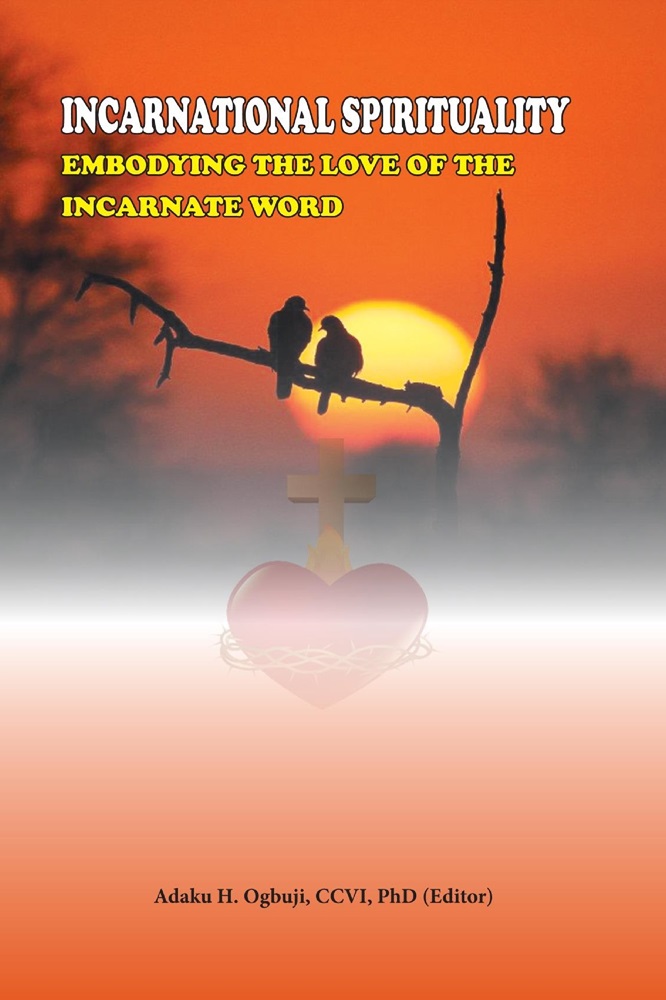
In this book, two Sisters of Charity of the Incarnate Word, one sister of the Holy Family, and one discalced Carmelite priest expound on these important questions: What does it mean to embody the love of the Incarnate Word, at this time, in our religious communities and in the whole world? Where is God sending us today to embody this love? What gifts are we bringing and placing at the service of Christ and His Church?
Paperback: $14.95 | Kindle: $9.99
TBA
 Sister Adaku Helen (Helena) Ogbuji, CCVI, PhD, belongs to the Congregation of the Sisters of Charity of the Incarnate Word, Houston, Texas. She is an author of several books: Dealing Effectively with Domestic Abuse: The Ministry of Reconciliation and Healing; Influence of Childhood Experiences on Faith Development: A Journey Towards Wholeness; Out of the Lips of Infants, Wisdom Comes: Retelling the Bible Stories. Recently, she edited and co-authored Incarnational Spirituality: Embodying the Love of the Incarnate Word. She holds a master’s in Theology, Divinity and Psychology and a PhD in Counseling Psychology. Presently, she is the Formation Director and the Novice Director in their formation house in St. Louis, Missouri, USA.
Sister Margaret Bulmer, CCVI was born and raised in Dublin, Ireland. She joined the Sisters of Charity of the Incarnate Word of Houston, Texas in 1954. She is a Nurse by profession and spent many years ministering in the Congregation’s hospitals and clinics, serving the poor and uninsured. Most recently, her ministry was Director of Social Concerns for the Congregation. She is now retired, but continues a part-time ministry of Community Outreach in the Congregation’s St. Austin Center, Houston. Her motto has always been to “Serve Jesus Christ by ministering to those most in need.”
Fr. Remigius Okonkwo Ikpe, OCD, PhD, is from the Nigerian Region of the Anglo-Irish Province of the Discalced Carmelite Order. He holds a Diploma in Philosophy; BA in Religious Studies; and Licentiate in Theology with specialization in Spiritual Theology. He also holds a Master’s degree in Education and in Psychology; PhD in Education Management and in Spiritual Theology. He was the Director of the Institute of Spirituality and Religious Formation in Tangaza University College, Nairobi, Kenya. At present, he is the Prior of their community at Tabor Carmelite, Onuiyi, Nsukka, Nigeria.
Sister Patience S. Payne (SHF) is from Liberia, West Africa and a member of the Sisters of the Holy Family Liberia. She is a Social Worker and presently she is serving as the Novice Director of her Congregation as well as a social worker for St. Francis High School in the Diocese of Cape Palmas, Liberia.
The page you requested could not be found. Try refining your search, or use the navigation above to locate the post.
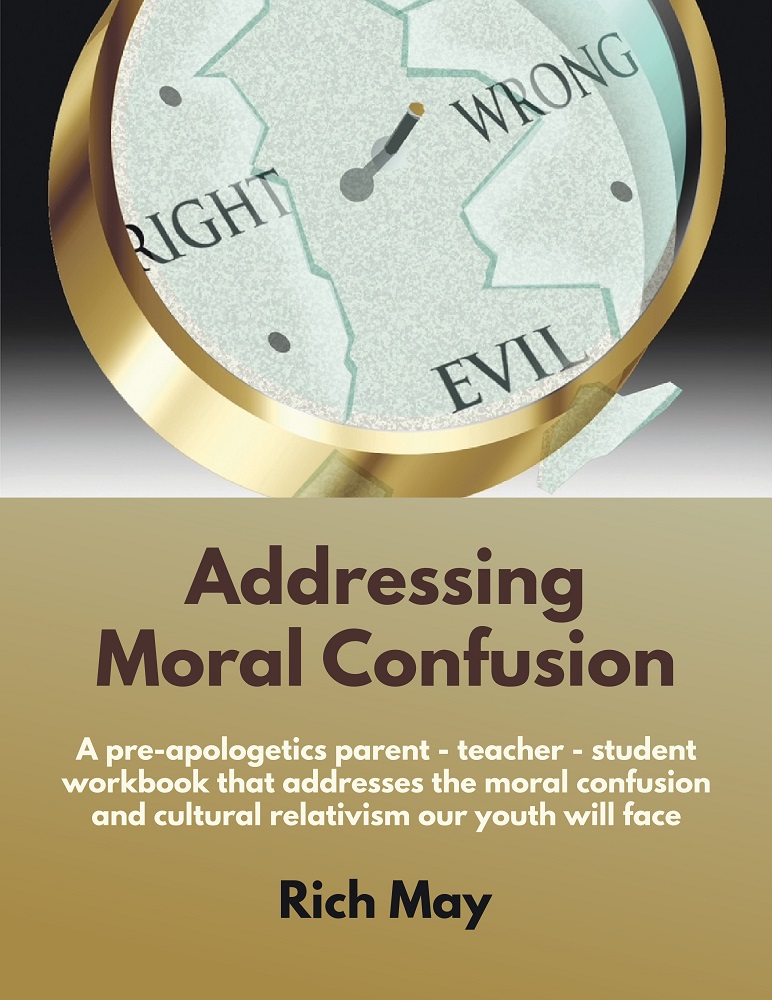
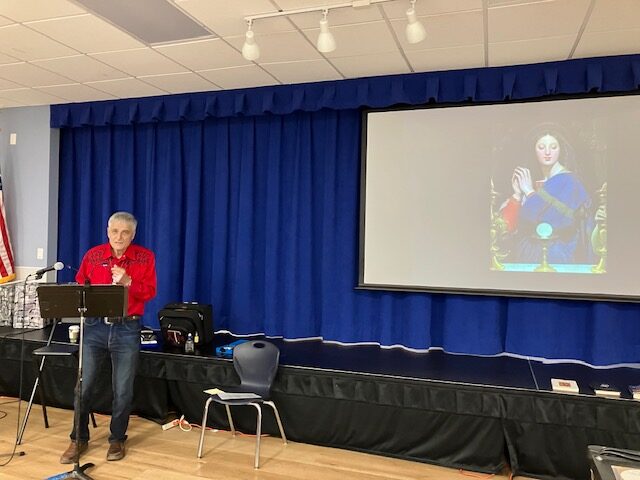
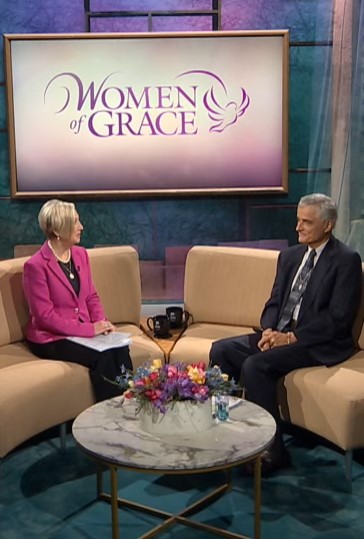
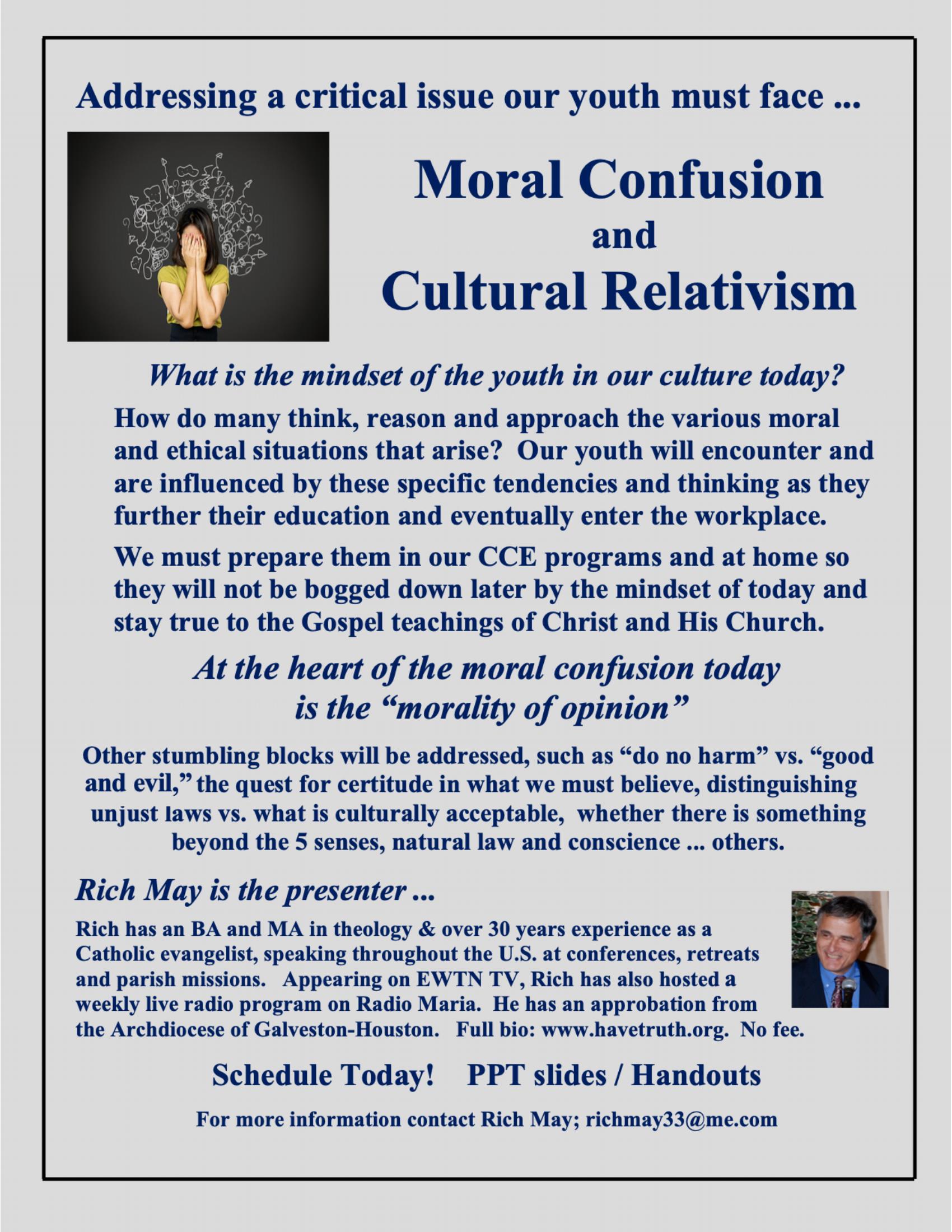
The goal of this workbook is to help our youth to receive catechetical instruction without getting bogged down by the mindset of the world today, thereby enabling them to be more open to the truth of the Gospel of Christ and His Church. It uniquely addresses these challenges, drawing from The Catechism of the Catholic Church, as well as great theologians and philosophers including C.S. Lewis, G.K. Chesterton, Fulton Sheen, St. John Cardinal Newman and others knowledgeable in moral psychology and human behavior.
Age group: High school and young adults especially those already enrolled in institutions of higher learning. Not all of them may be practicing Christians. It should be of interest to all teachers including those that are currently working with younger age groups. Parents will also benefit from the material and convey basic themes … example, Session One: “Should you believe everything you hear?
A full-size teachers manual 8 1/2 half by 11 paperback edition: $19.99 | Kindle: $9.99
Teachers receive a 20% discount on bulk orders of a dozen or more!
“Rich May’s book entitled Addressing Moral Confusion should be a widely used tool that can help young people today navigate our fractured world. I recommend it to all who are charged with sharing the truth of Jesus Christ with the next generation.” – Bishop Joseph E. Strickland, Bishop Emeritus, Diocese of Tyler, Texas
“In Addressing Moral Confusion, Rich May responds to various forms of moral relativism and ‘group thinking’ that are prevalent in the world today. Drawing upon logic, the natural law, Scripture, and Catholic tradition, he exposes the fallacious arguments used to defend abortion, gender ideology, and other harmful movements. Even those who might dispute certain matters of empirical data will benefit from this book. Rich May not only provides moral arguments; he also incorporates prayers and devotions—especially to the Virgin Mary—that support wisdom, virtue, and holiness.” – Dr. Robert Fastiggi, Professor of Dogmatic Theology, Sacred Heart Major Seminary, Detroit
“In a world with so much confusion, Addressing Moral Confusion provides the reader with the tools to engage the errors and challenges the faithful are facing.” – I. Aguilera, Principal, St. Elizabeth Ann Seton Catholic School, Houston, TX
“As a homeschool parent who has taught my children from K to 12, I have found Rich May’s Teachers Workbook to be an excellent, concise and engaging teaching resource that should be used in every school curriculum.” – F. Dunne, Homeschool Parent
“Rich May’s genius for clarity and timeliness is demonstrated through the scholarly and well-informed portrayal of these critical issues, the necessity for us to grasp and understand the issues, and the motivation for us to take zealous action! Well Done! Highly recommended!!” – R. Lochner, USMC retired, Catholic Educator and Author
“As a parish educator, I believe Addressing Moral Confusion fills a profound void in Catholic moral instruction for youth by giving young Catholics the foundational moral principles, fundamental truths, and intellectual tools with which to understand the reality of absolute moral truth as taught by the Catholic Church and to recognize the counterfeit morality of today’s modern, secular culture.” – J. Barros, Retired Director of Parish Faith Formation
“This is Moral teaching at its finest. Each chapter in itself is foundational, yet each chapter builds on the previous foundational chapter so that what you end up with is a solid understanding of God’s Truth as it pertains to Moral Law. These are truly solid building blocks that could be used in any Catholic teaching program.” – K. Kerne, Catholic Catechist
“Rich May has written a manual to stress and arrest the dire circumstances that are swiftly losing a whole generation of children trapped in social and cultural milieus that are fast bankrupting themselves of every traditional moral and spiritual rectitudes, and systematically capitalizing on the children’s vulnerability to feed them with the worst forms of relativisms ever known in human history.” – Fr. R. Nwankwo, PhD
“As a CCE teacher of 30 years, I incorporated Rich May’s book Addressing Moral Confusion into a high school Confirmation class. It is written in a very clear and concise manner that appeals to all, especially high school students. In addition, the handouts which address moral questions present an excellent opportunity to put our Catholic faith into practical moral applications. I highly recommend the book.” – Bill Alexander, Catholic High School Teacher
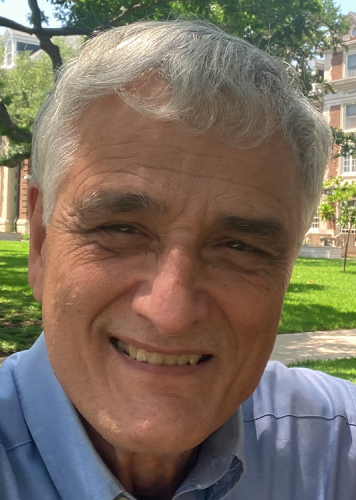
A former Air Force pilot, Rich May is a retired aerospace engineer by profession. He has a BA in Pastoral Theology from the University of St. Thomas in Houston and an MA in theology from the Franciscan University in Steubenville Ohio. He has appeared several times on the Eternal Word Television Network (EWTN) and often on Catholic radio with a live weekly show on Radio Maria. With an approbation from the Archdiocese of Galveston-Houston, he speaks locally and nationally. He has 35 years experience teaching catechesis at all levels and has authored several booklets including The Rosary a Prayer For All Christians and The Rosary a Prayer for All Native Peoples. Currently he is teaching the youth how to courageously respond to the counter-culture.
The page you requested could not be found. Try refining your search, or use the navigation above to locate the post.
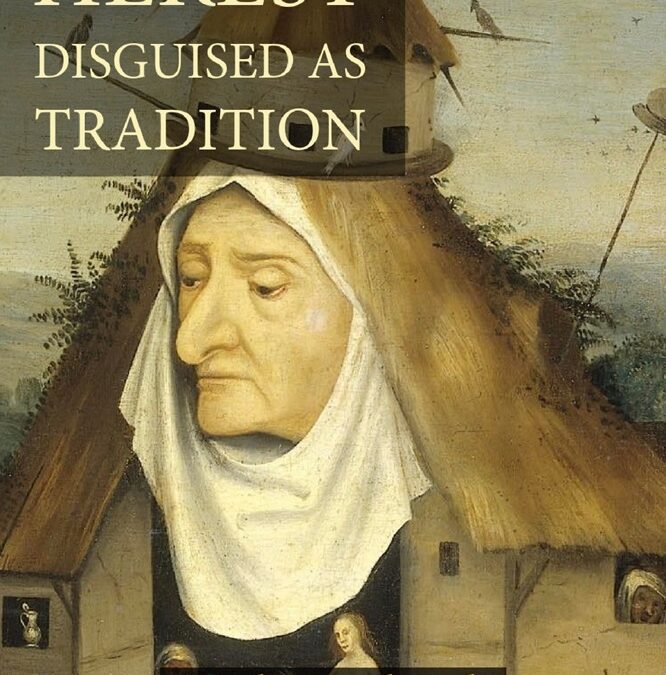
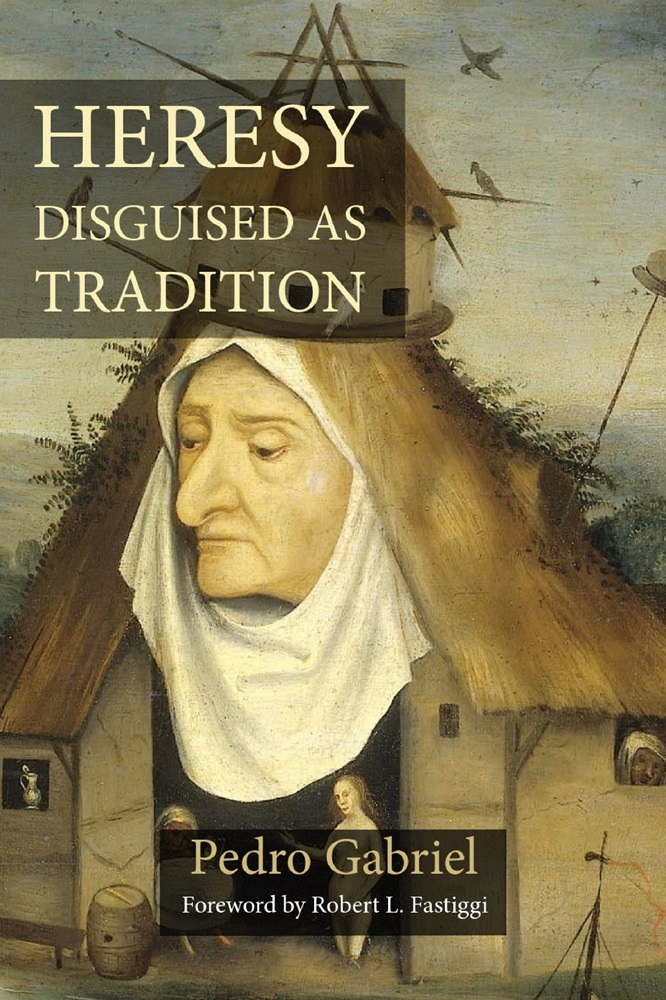
A widespread assertion in Catholic circles today is that one can disregard the teachings of Pope Francis or the Second Vatican Council if they teach something that seems to go against tradition. Is this the case? In this book, Pedro Gabriel proves that tradition is often confused with novelty. He also shows how several heresies of the past have historically claimed to be more traditional than the living magisterium.
Paperback: $24.95 | Kindle: $9.99
“Pedro Gabriel displays the same admirable qualities found in his other writings, viz., careful research, clear argumentation, and charitable but cogent refutations of the false claims made by papal critics. Although Dr. Gabriel is very well-versed in theology, he is a medical doctor … by training and profession. In Heresy Disguised as Tradition, his medical training is apparent. He is able to diagnose the cancer of false theology disguised as tradition and expose its pathological qualities.” — Dr. Robert Fastiggi, Professor of Systematic Theology, Sacred Heart Major Seminary, Detroit, Michigan
“Pedro Gabriel has the gift of giving transparent and honest answers to intricate questions. Now in this book he explains what Catholic Tradition is. One of the plagues of the current discussion on the Pontificate of Pope Francis are the traditionalists who do not know the tradition of the Church. To propose the same truth in a different context, in front of a different culture and of different challenges it is not enough to repeat the same words. The words are always interpreted in a context. It seems that there is only the choice between severing ourselves from the culture we live in in order to become men of the culture in which the Tradition ( that encompasses the Scripture) was originally formulated ( but then we lose the capacity of enlightening with the words of the Scripture the dilemmas of the world of today) or to read the Scripture in the light of the Spirit of Our Time ( but then we lose the capacity of affirming those truths that our time is unwilling to accept and instead of transforming ourselves according to the Spirit of Jesus we transform Jesus according to our Mind). The Catholic answer is that God has instituted through the sacrament of order and the Primate of Peter the appropriate context for the interpretation of his Message.This context is at the same time in time and out of time. Without the assistance of the Holy Spirit there can be no Tradition, or at least no Catholic Tradition. This is the reason why it is not possible to oppose the catholic Tradition to the Primate of Peter. Simul stabunt, simul cadent ( together they stay or together they fall). The reader will find clear answers in a language that is easy to understand and in which a fervent love to Tradition and to the body of Christ incarnate shines through.” — Rocco Buttiglione, Member of the Pontifical Academy of Social Sciences and of the Pontifical Academy of St. Thomas.
“Pedro Gabriel has succeeded in articulating an impassioned Catholic defense of the true Tradition against its pseudo-traditionalist deformations. Nothing could be more timely to understand – once and for all – that the Holy Spirit has not gone on vacation and constantly assists all successors of Peter in leading and governing the Church.” — Rodrigo Guerra Lopez, Secretary of the Pontifical Commission for Latin America.
“Pedro Gabriel offers a well-written and deeply researched defense of Catholic teaching in response to the errors of contemporary Catholic traditionalism. Dr. Gabriel engages directly with the arguments of radical traditionalists and offers a thorough response, leaving no stone unturned. The book emphasizes the Church’s doctrines regarding the papacy, especially the crucial role of the pope in maintaining the Church’s unity and as the guarantor of orthodoxy. I highly recommend this book to anyone interested in Catholic ecclesiology who wants to understand the ongoing debates about authority and tradition in the Church.” — Mike Lewis, Co-Founder and Editor of the website Where Peter Is.
“This book is a breath of fresh air. Dr. Gabriel wrote a book that spoke right to me. When he makes his arguments, I think, get out of my head. Finally someone has put together a cohesive book that refutes the ideology behind radical traditionalism. He lays out perfectly how this ideology matches that of heretics in the past. Great work, Dr. Gabriel! Your work is greatly appreciated!” – Josh Anderson, Amazon Reviewer, 5 Stars!
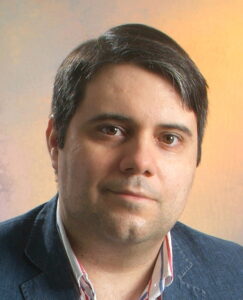
Pedro Gabriel is the author of The Orthodoxy of Amoris Laetitia and one of the co-founders of the apologetics website “Where Peter Is.” Currently, he is taking classes of moral theology at the Pontifical University of the Holy Cross. He is also a medical oncologist, an Internet journalist, and a published writer of Catholic novels.
The page you requested could not be found. Try refining your search, or use the navigation above to locate the post.
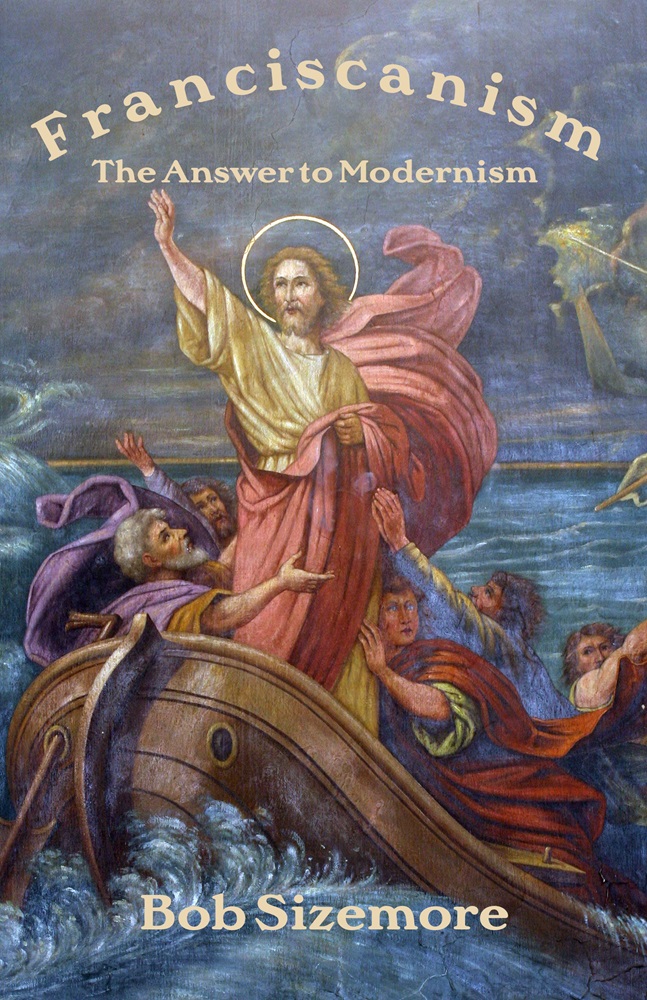
“Imaginative, creative, inspiring – a fresh look at problems most of us face daily.” – Dr. Ronda Chervin, Catholic philosopher, writer, and media presenter
“As a Lay Dominican, I found in the simplicity of Franciscanism a meaningful complement to my own spirituality. As Dante Alighieri has allegorized, Franciscans and Dominicans are two wheels on the same chariot of our Catholic faith tradition, propelling us ever onward through God’s grace toward our greatest hope, the Beatific Vision and the promise Christ offers for our eternal salvation.” – Dr. Sebastian Mahfood, OP, author of The Narrative Spirituality of Dante’s Divine Comedy
Bob Sizemore, a secular Franciscan, is a Catholic counselor who has served as an adjunct professor of sociology at Holy Apostles College & Seminary.
The page you requested could not be found. Try refining your search, or use the navigation above to locate the post.
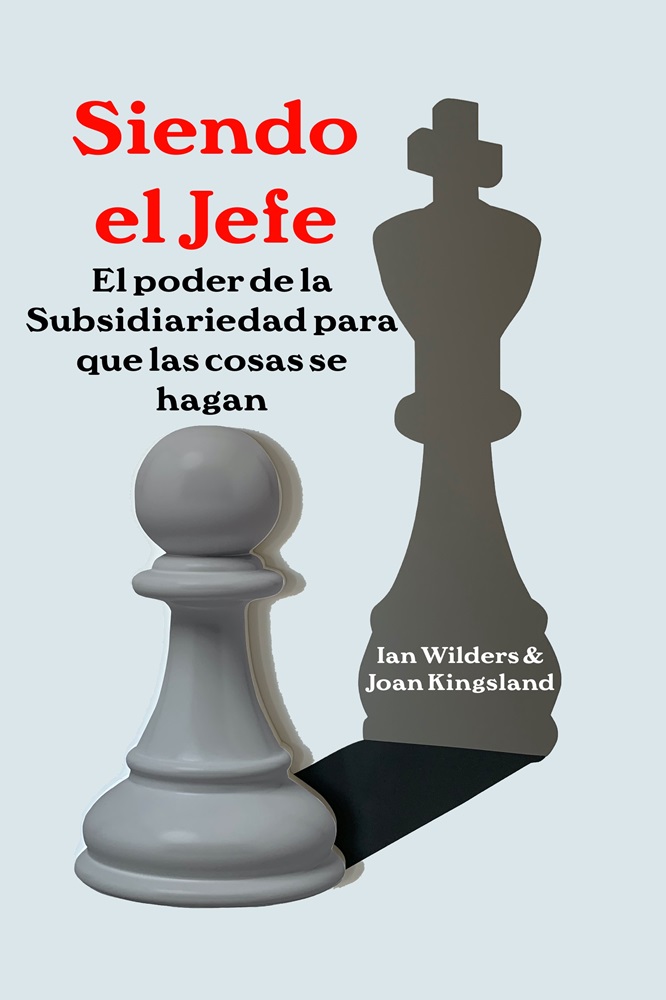
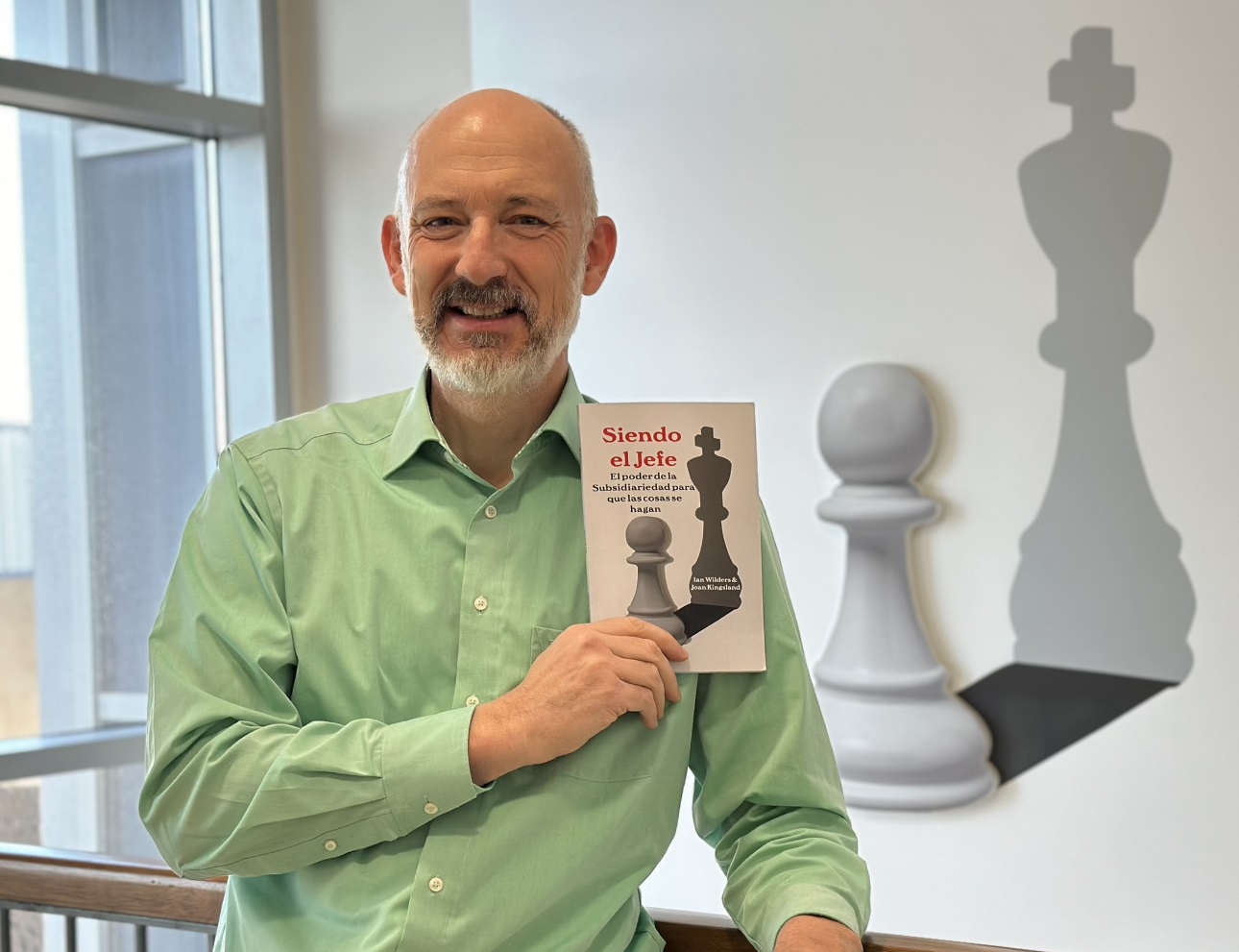
Ian es un CEO visionario conocido por defender la subsidiariedad en el lugar de trabajo. En su libro, comparte ideas prácticas y ejemplos reales de cómo este concepto impulsa la innovación, la colaboración y el éxito. Mediante el fomento de la autonomía y el reconocimiento de los talentos individuales, Ian ofrece un plan para transformar las estructuras tradicionales en lugares de trabajo dinámicos. A través de sus ideas, que invitan a la reflexión, invita a los líderes a liberar todo el potencial de sus equipos, ayudando al empresario o directivo a abordar cuestiones como las siguientes:
Paperback: $14.95 | Kindle: $9.99
TBA
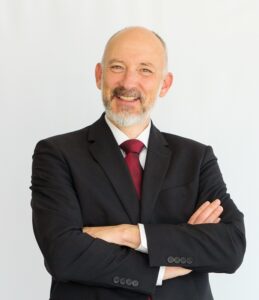
Ian Wilders dirige una empresa multinacional con empleados en España, Bélgica y Francia. Viajero apasionado, se embarcó en una vuelta al mundo de un año de duración con su mujer y sus cuatro hijos y abrazó el mundo con la mente abierta. A menudo inspira a las organizaciones mediante cautivadoras charlas sobre la subsidiariedad y la expresión del talento.
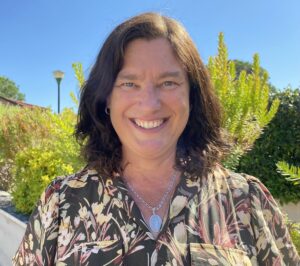
Joan Kingsland es Consagrada del Regnum Christi desde hace más de 30 años. Enseña cursos como Doctrina Social en el Ateneo Regina Apostolorum de Roma. Durante las vacaciones de verano Joan aporta su experiencia como consultora teológica en Ruah Woods en Cincinnati, Ohio.
The page you requested could not be found. Try refining your search, or use the navigation above to locate the post.