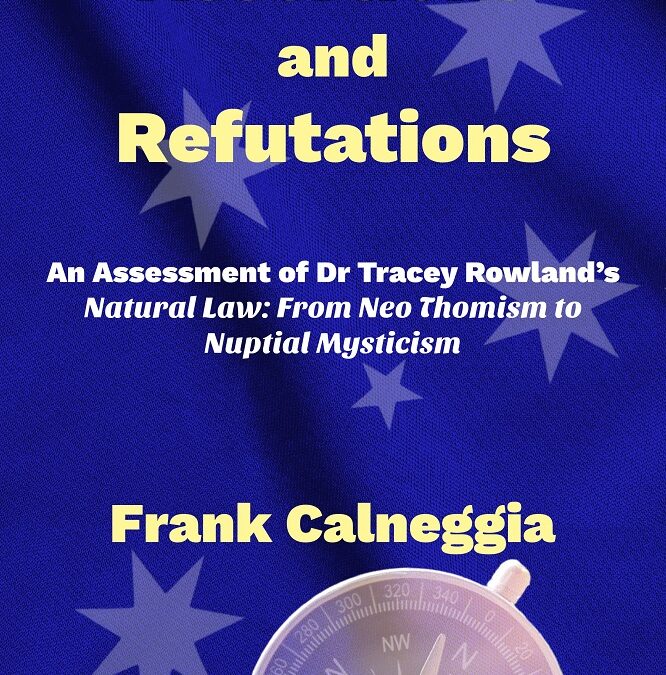
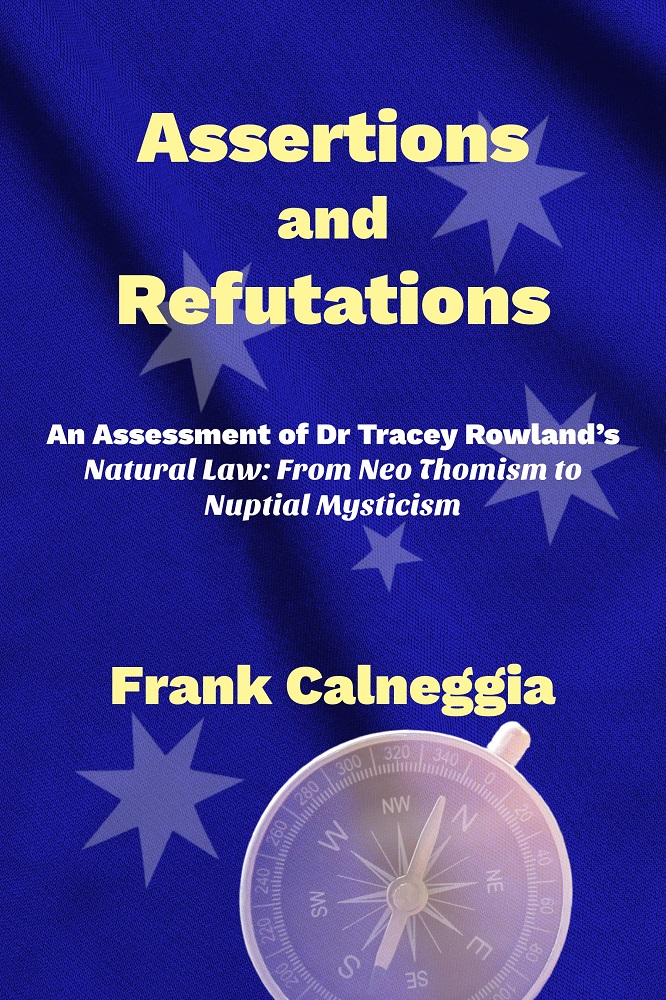
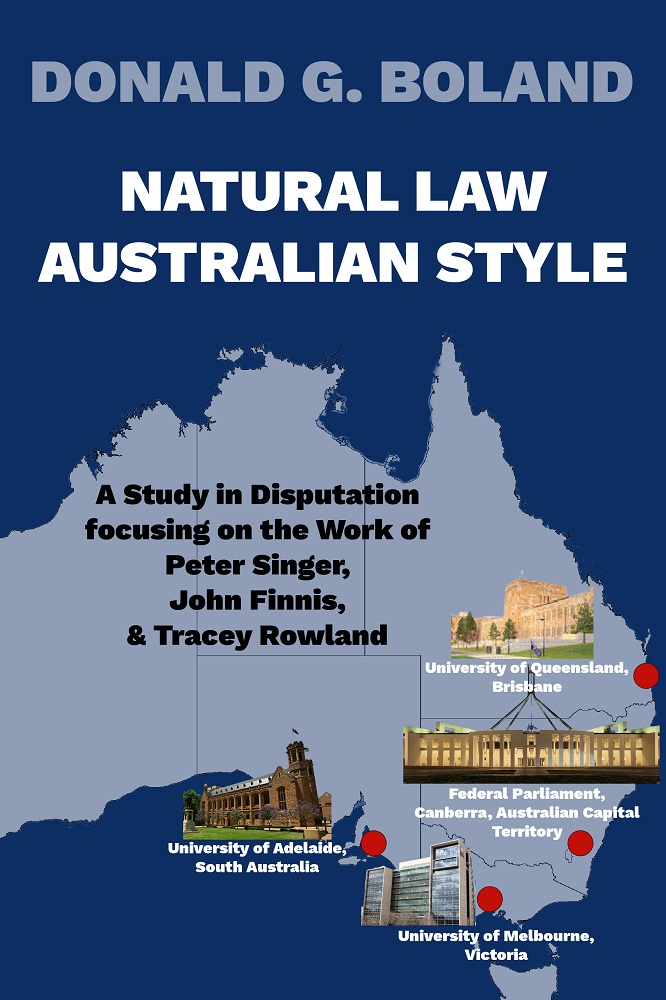
This book unties the philosophical knot of Dr Tracey Rowland’s assertions concerning the natural moral law, Faith and reason, nature and grace. To lay bare every bend and twist of this knot and refute Dr Rowland’s assertions, Frank Calneggia has quoted extensively from two Vatican Councils; Pope Benedict XVI and seven of his predecessors; St Thomas Aquinas; and a number of the very best twentieth century Thomists.
Paperback $19.95 | Kindle $9.99
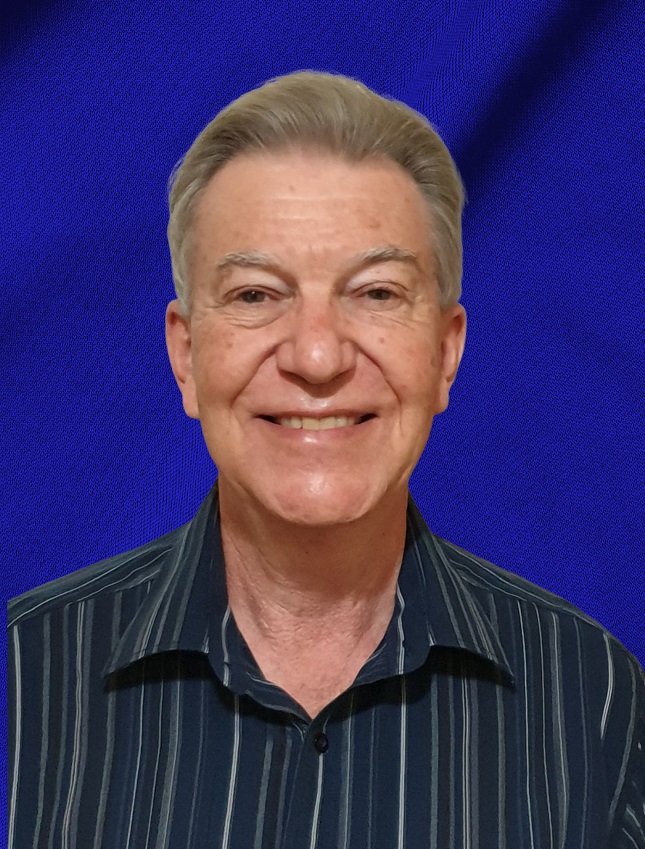
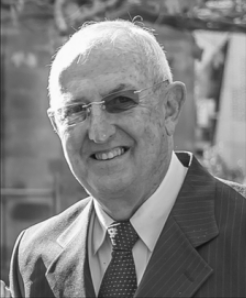 Donald G Boland, Ll. B., Ph. D., is a founding member of the Centre for Catholic Studies Inc. in Sydney, Australia, and served as its president. He practiced for a number of years as a lawyer having a degree in law from the University of Sydney. Over much the same time, having obtained a doctorate in philosophy from the University of St. Thomas in Rome, he has taught philosophy and law in both Catholic and secular educational institutions, such as the University of Technology, Sydney, the University of Newcastle, the Aquinas Academy, the Centre for Thomistic Studies Inc., now operating under the name of the Centre for Catholic Studies Inc., and various Catholic seminaries, such as those of the Marists and the Vincentians.
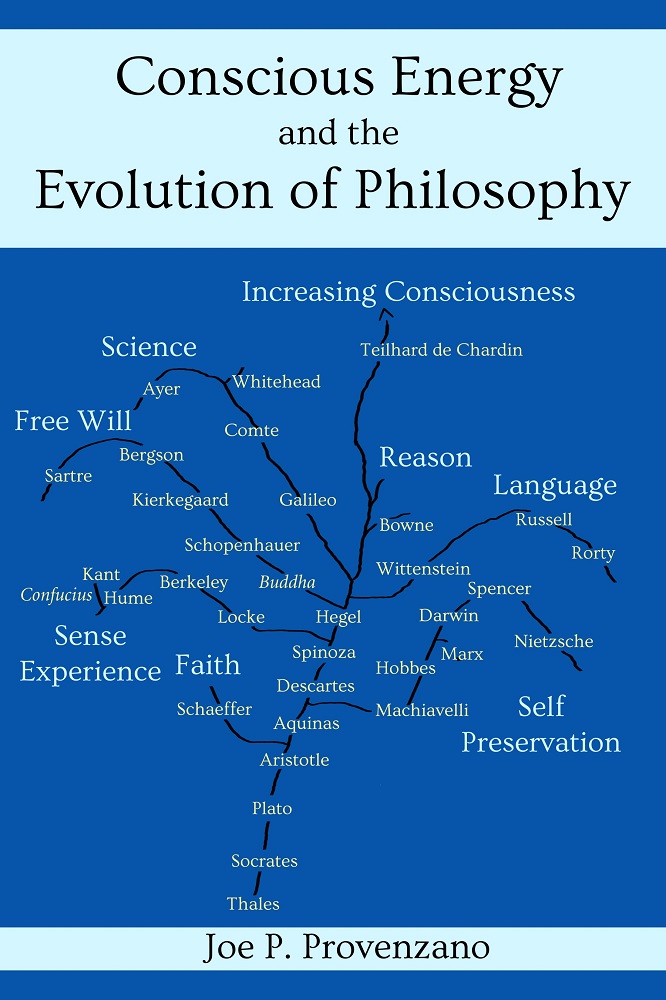

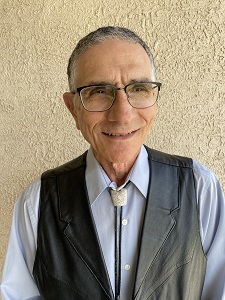 Joe Provenzano has an M.S. in physics. He has spent much of his life studying the great philosophical thinkers and the tough philosophical and theological questions. Joe also authored How to Believe in God and Science — In Three Easy Steps and co-authored The Fallen Angel Model — Deeper into the Mysteries with Deacon Ron D. Morgan and Dan R. Provenzano (Joe’s son) who has a Ph.D. in physics. Joe may be reached at joepro@proandsons.com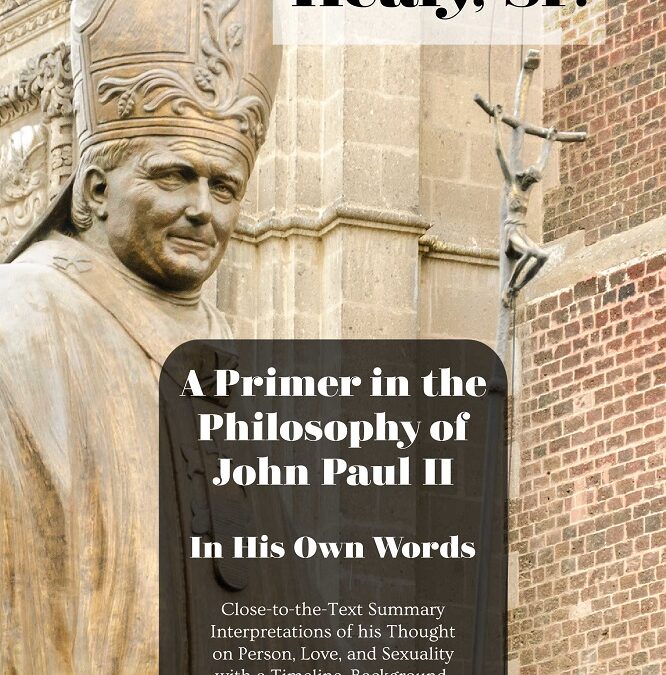
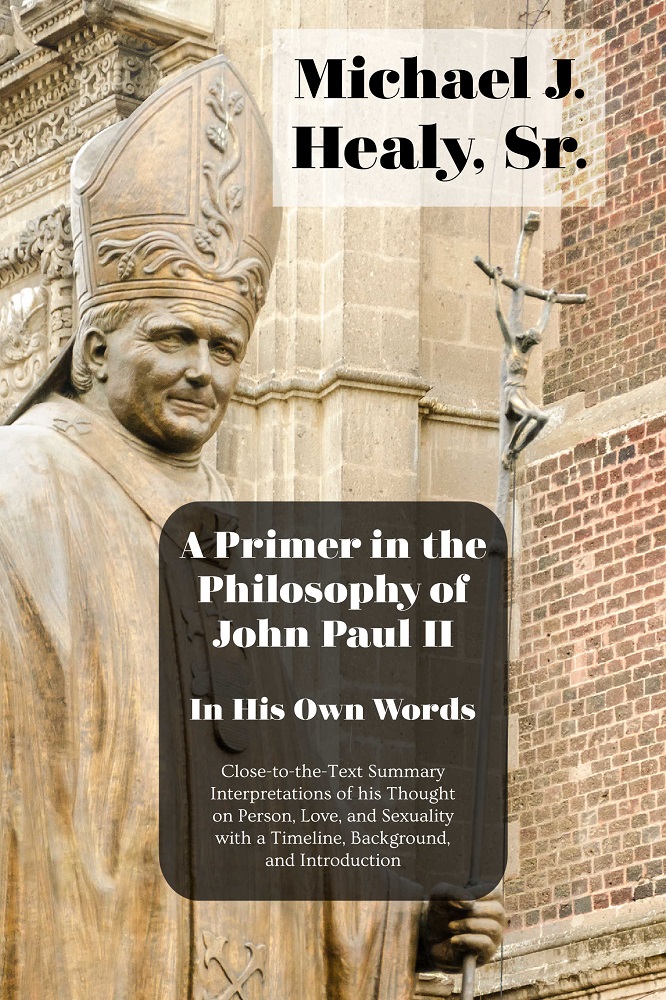
 Dr. Michael J. Healy served as Dean of the Faculty (chief academic officer) under Fr. Michael Scanlan, TOR (President) at Franciscan University of Steubenville from 1986-2000. During the 2002-2003 academic year, he served as interim president of Ave Maria College while on leave of absence from Franciscan University. He then returned to Franciscan to resume his position as full professor of philosophy, where he specializes in philosophy of the person, ethics, existentialism, and philosophy of religion. He has a special love for Kierkegaard, von Hildebrand, and Wojtyla interpreted in light of and in dialogue with the philosophia perennis. His favorite author in the Thomistic tradition is Josef Pieper. His favorite course is The Nature of Love, wherein he uses the works of all four of the above. Dr. Healy earned his B.A. from Loyola University of Los Angeles (1972, now Loyola Marymount University) and his M.A. (1975) and Ph.D. (1978) from the University of Dallas.
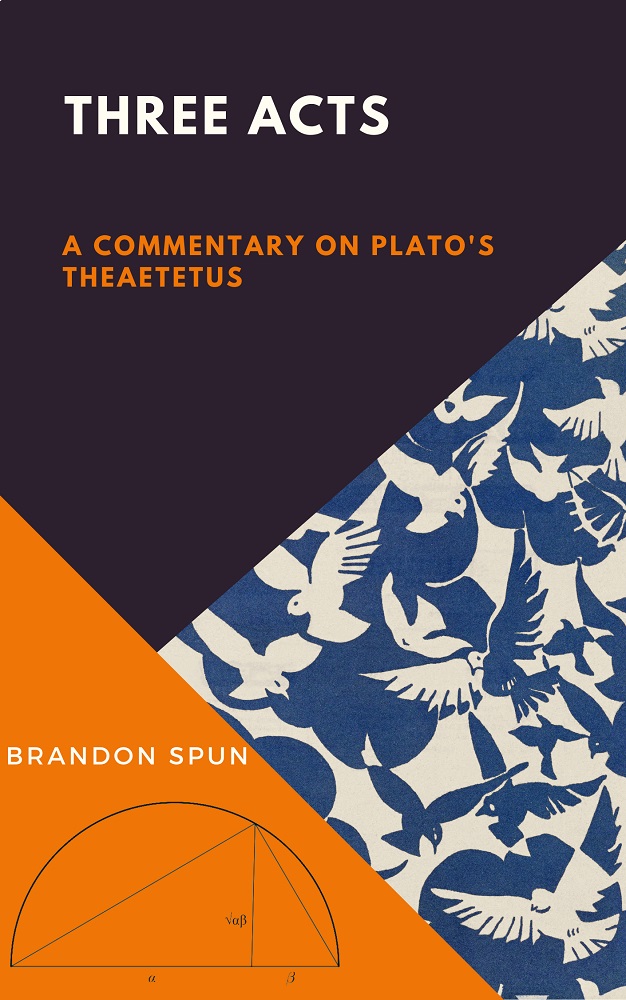
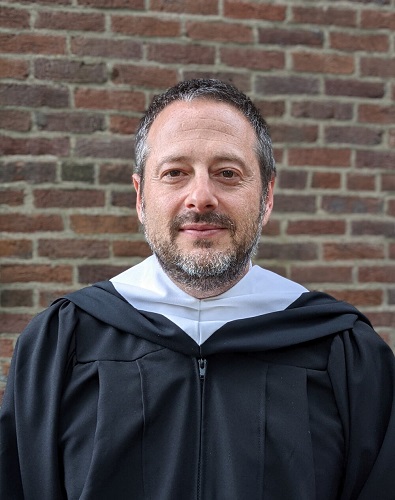 Brandon Spun was born in Penn Valley, PA during a snowstorm in February. He grew up on Long Island, NY, and received an undergraduate degree in English and Philosophy from SUNY Geneseo. He holds an MA in Liberal Arts from St. John’s in Annapolis, an MA in Philosophy from Holy Apostles College and Seminary, and he is currently enrolled as a doctoral candidate in Humanities at Faulkner University. His intellectual interests include literature, ancient philosophy, ethics, and the Liberal Arts in general. A few idiosyncratic favorites include Russian Authors, Edith Nesbit, Robert Louis Stevenson, and Jane Austen. He has two children and lives in Tennessee. He is currently the Dean of Academics at New College Franklin where he has taught for over a decade.